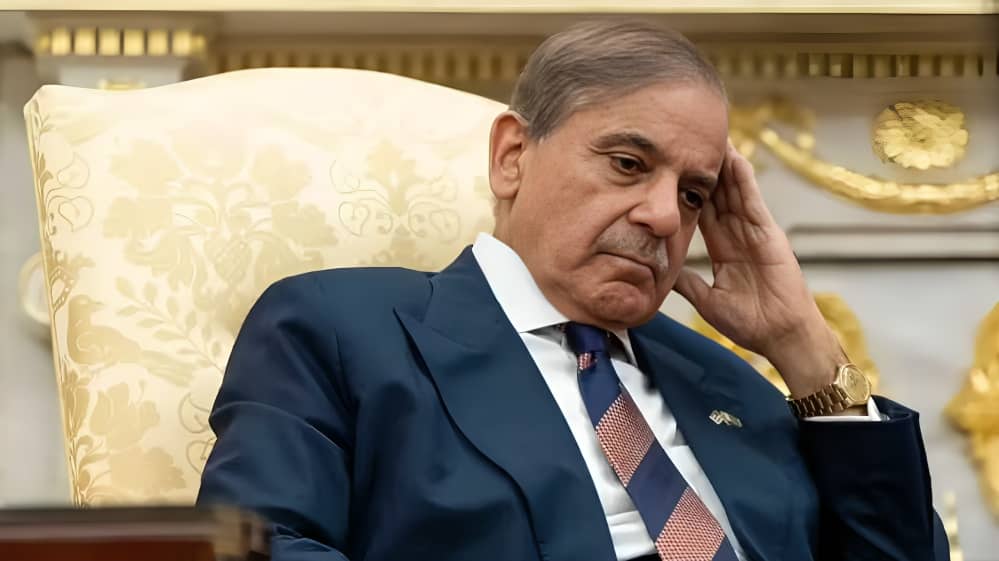
Shehbaz Sharif has highlighted the economic impact of ongoing tensions between the United States and Iran, stating that the situation is placing additional pressure on Pakistan’s financial stability. Speaking during a cabinet meeting, he noted that the country’s oil import bill has significantly increased, reportedly reaching around 800 million dollars.
The rise in oil import costs is largely attributed to fluctuations in global energy prices, which are often influenced by geopolitical developments. Tensions involving major oil producing regions can lead to uncertainty in supply, causing prices to increase. For countries like Pakistan that rely heavily on imported fuel, such changes can have a direct impact on the economy.
Pakistan imports a substantial portion of its energy requirements, making it vulnerable to global price movements. Higher import costs can affect multiple sectors, including transportation, manufacturing, and electricity generation. These increases are often passed on to consumers in the form of higher prices, contributing to inflationary pressures.
During the cabinet discussion, Shehbaz Sharif emphasized the need to manage the economic challenges arising from external factors. Governments typically respond to such situations by reviewing fiscal policies, adjusting subsidies, or exploring alternative energy sources to reduce dependency on imports.
Economic analysts note that global geopolitical tensions can have far reaching effects beyond the countries directly involved. The interconnected nature of the global economy means that developments in one region can influence markets and economies worldwide. In this case, the situation involving the United States and Iran has implications for energy prices, trade, and financial stability.
The increase in the oil import bill also places pressure on foreign exchange reserves. Countries must allocate more funds to pay for essential imports, which can affect currency stability and overall economic performance. Managing these pressures requires careful planning and coordination between different sectors of the economy.
In addition to rising costs, policymakers must also consider long term strategies to mitigate the impact of external shocks. This may include investing in renewable energy, improving energy efficiency, and diversifying sources of supply. Such measures can help reduce vulnerability to global price fluctuations over time.
The comments by Shehbaz Sharif reflect broader concerns about the economic effects of international developments. Governments around the world are closely monitoring the situation and assessing potential impacts on their economies.
While the immediate focus is on managing rising costs, the situation also highlights the importance of strengthening economic resilience. Building a stable and diversified economy can help countries better withstand external challenges and maintain growth.
As global developments continue to evolve, further updates are expected regarding their impact on energy markets and economic conditions. Authorities in Pakistan are likely to continue evaluating the situation and implementing measures to address the challenges.
Overall, the increase in the oil import bill underscores the connection between geopolitical events and economic outcomes. The situation remains dynamic, with potential implications for multiple sectors and regions.