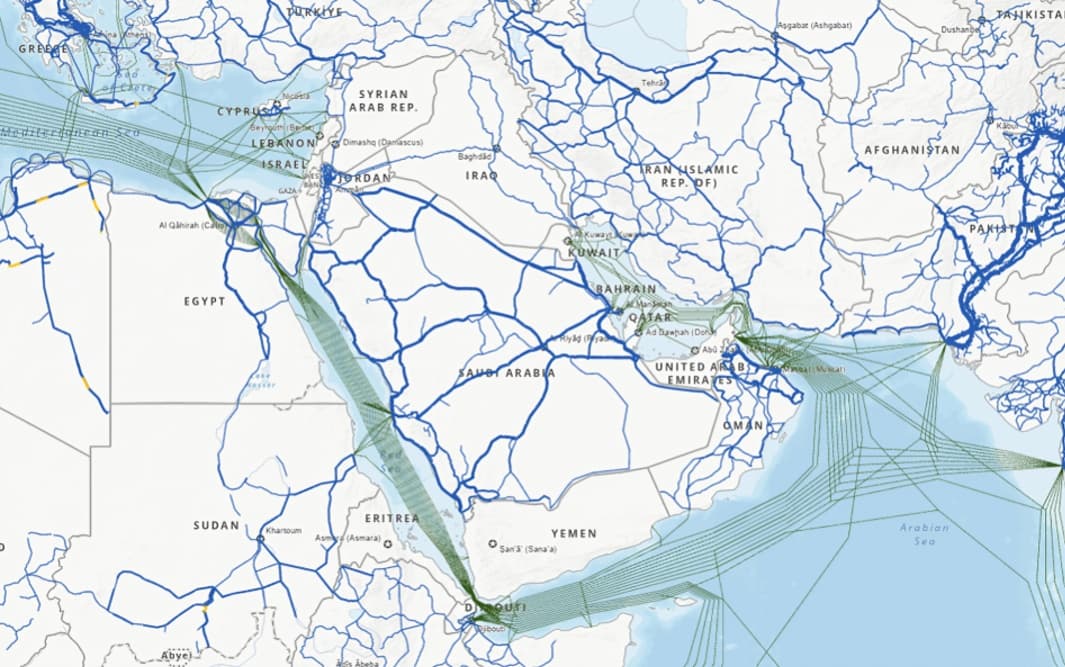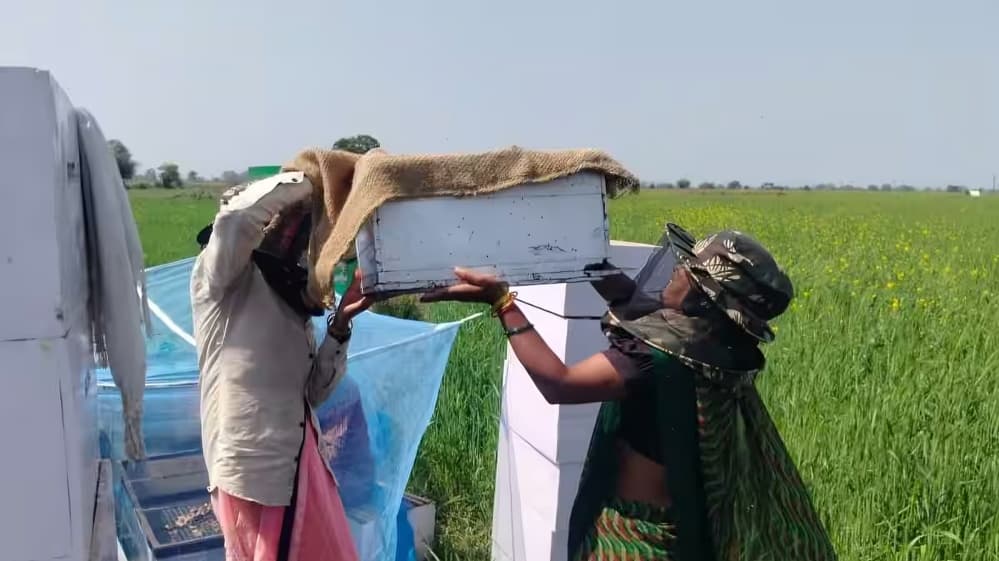
The ongoing West Asia conflict is now affecting India’s honey export industry, particularly in Saharanpur, which is one of the country’s major honey export centres. Exporters and beekeepers in the region are facing significant challenges as the conflict disrupts global trade routes and increases transportation costs.
The crisis involving Iran, Israel, and the United States has led to a slowdown in shipments from India to international markets. Exporters have reported that containers are not easily available, and shipping costs have risen sharply. In some cases, freight charges have increased by three to four times, making it difficult for businesses to continue operations at previous levels.
The honey export industry in Saharanpur was already recovering from earlier challenges related to high tariffs imposed by the United States. Those tariffs had led to the cancellation of several export orders, leaving large quantities of honey unsold. Although there had been some relief with tariff reductions, the recent conflict has created fresh obstacles for exporters.
Beekeepers, who depend on exporters to sell their produce, are now facing financial difficulties. With shipments disrupted, exporters are reportedly unable to purchase honey from farmers at expected prices. This has resulted in reduced income for beekeepers, many of whom rely on this trade as their primary source of livelihood.
Industry representatives have expressed concern over the situation, stating that the combined impact of tariffs and the ongoing conflict has placed severe strain on the sector. They have appealed to the government to step in and provide support, either through financial assistance or policy measures that can help stabilize the market.
The rise in logistics costs and delays in shipments are also affecting India’s competitiveness in the global honey market. Buyers from other countries may turn to alternative suppliers if the current disruptions continue. This could have long term consequences for Indian exporters, who have built strong relationships in international markets over the years.
Despite these challenges, exporters and beekeepers remain hopeful that the situation will improve. They believe that once the geopolitical tensions ease, trade routes will stabilize, and exports can resume at normal levels. In the meantime, they are focusing on managing existing stock and exploring possible alternatives to sustain their businesses.
The situation highlights how global conflicts can have far reaching effects on local industries, even those not directly connected to the conflict zone. For Saharanpur’s honey industry, the coming weeks will be crucial in determining how well it can withstand these challenges and recover from the current slowdown.
Overall, the impact of the West Asia crisis on honey exports underscores the need for timely intervention and support to protect the livelihoods of beekeepers and ensure the stability of the export sector.