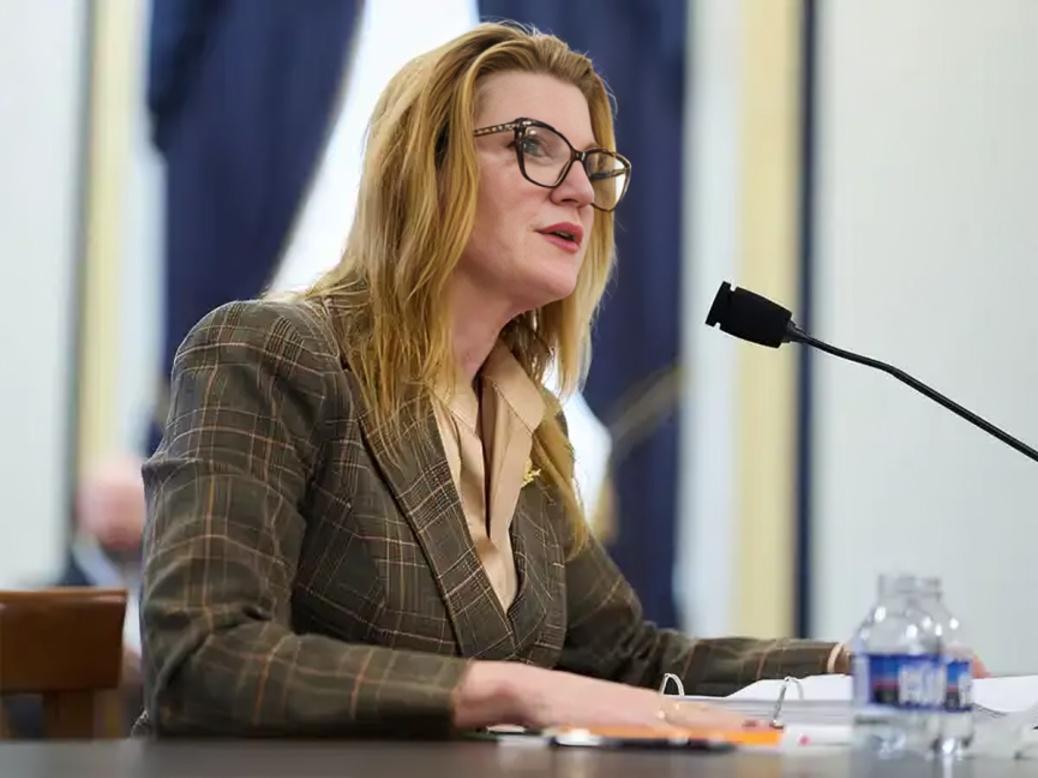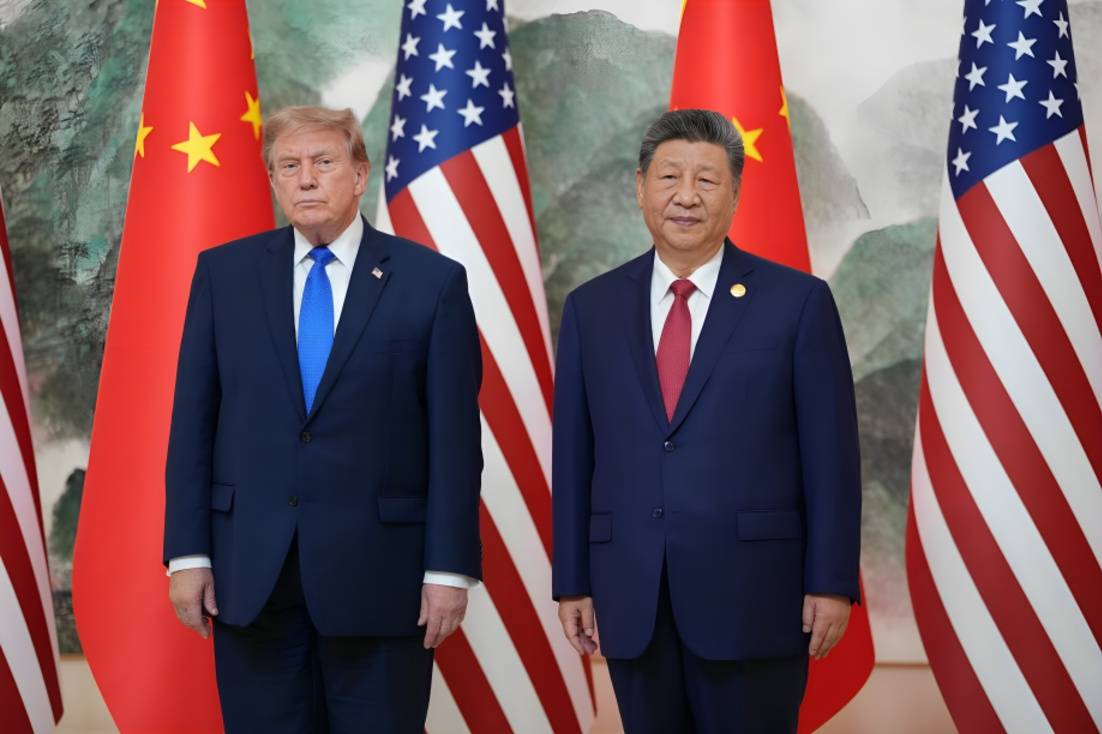
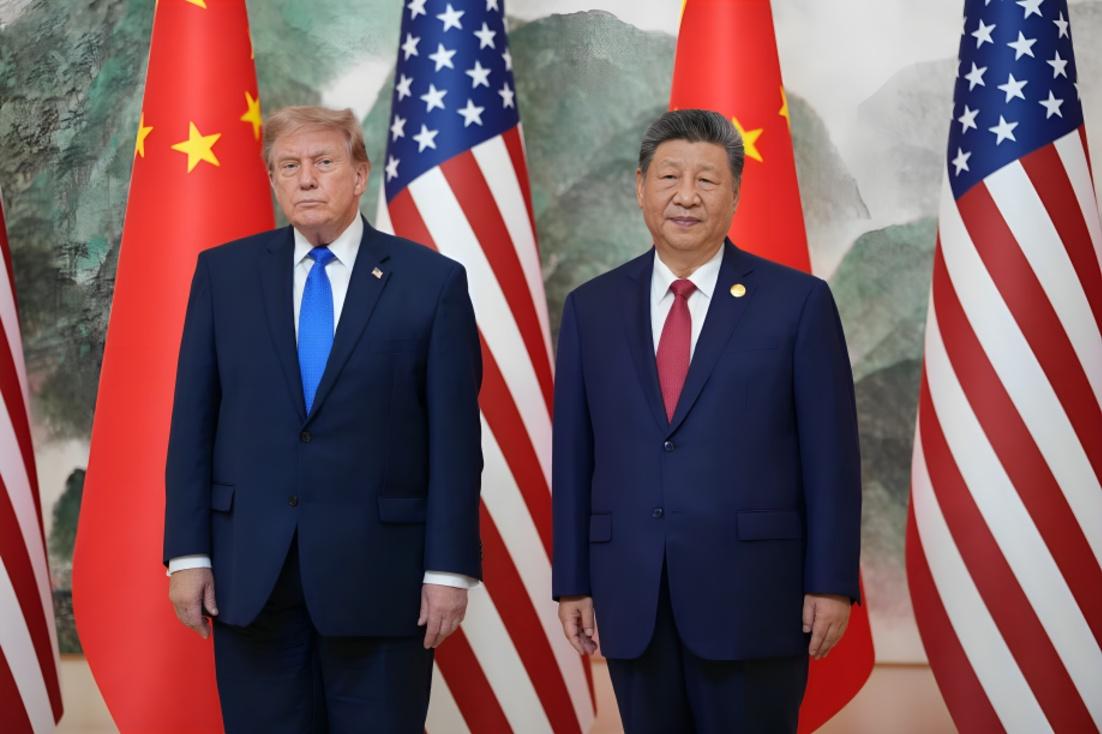
Bloomberg TV journalist Annmarie Hordern was reportedly barred by Chinese officials from covering a high-profile trilateral meeting involving US President Donald Trump, Chinese President Xi Jinping and Russian President Vladimir Putin in Shenzhen, China. The incident followed a question she raised during an earlier meeting between Trump and Xi concerning former Nvidia chief executive Jensen Huang.
The decision to prevent Hordern from attending the subsequent meeting has drawn attention to media access and press freedom during major international diplomatic events. According to reports, Chinese officials objected to the manner in which the journalist raised her question and subsequently refused to allow her into the trilateral meeting.
A White House official reportedly said that US representatives attempted to have Hordern reinstated, but Chinese officials maintained their decision. The incident became a significant media controversy surrounding the diplomatic gathering.
Question About Former Nvidia CEO Jensen Huang
The controversy began when Hordern questioned Trump during his meeting with Chinese President Xi Jinping. She asked the US President whether Jensen Huang, the former chief executive of Nvidia, had been disloyal to the United States.
The question came amid controversy surrounding allegations involving Huang and concerns about his connections and activities. The issue had attracted attention because of Nvidia's importance in the global semiconductor and artificial intelligence industries.
Trump did not directly answer Hordern's question, according to reports of the exchange. The question was raised in the presence of Xi and other officials during the diplomatic event.
Hordern's question was significant because it brought a sensitive issue involving a prominent technology executive into a high-level international meeting. Nvidia is one of the world's leading companies in advanced graphics processors and artificial intelligence chips, making its business and leadership decisions important to discussions about US-China technology relations.
Chinese Officials Block Journalist from Trilateral Meeting
Following the exchange, Hordern was reportedly prevented from attending the meeting between Trump, Xi and Putin in Shenzhen on Thursday.
The trilateral gathering brought together the leaders of the United States, China and Russia. It was a major diplomatic event involving three influential countries and attracted international media attention.
According to reports, Chinese officials objected to the journalist shouting a question during the earlier meeting. A message communicated to journalists reportedly warned that shouting questions was considered extremely rude and could result in reporters being removed from the event.
The decision to exclude Hordern was reportedly linked to this objection. The incident raised questions about the restrictions placed on journalists covering diplomatic meetings in China.
In many international press events, journalists attempt to ask questions directly when political leaders appear before the media. Such exchanges can sometimes be unexpected, particularly when reporters raise sensitive political, economic or security issues.
However, the response to Hordern's question was different from the usual practice at many Western press events, where journalists may call out questions even when leaders do not respond.
White House Attempts to Secure Her Admission
The reported exclusion of Hordern also became a matter of concern for the US side.
A White House official said that American representatives had made efforts to have the journalist allowed into the trilateral meeting. However, Chinese officials reportedly insisted that she should remain excluded.
The White House did not provide full details of the steps taken to secure her admission. The Chinese Foreign Ministry and Bloomberg also did not immediately provide detailed public comments on the incident, according to the reports.
The disagreement highlighted the difficulties that can arise when journalists from different countries cover diplomatic events under separate media-access rules.
Although the meeting involved the leaders of the United States, China and Russia, access to the event was controlled by the host country's officials. The reported refusal to reinstate Hordern therefore became a prominent issue alongside the diplomatic discussions.
Trump, Xi and Putin Attend Historic Trilateral Meeting
The incident took place during a major diplomatic gathering in Shenzhen, where Trump, Xi and Putin met for trilateral discussions.
The meeting brought together the leaders of three major global powers. Discussions were expected to cover international security, nuclear weapons, the war in Ukraine and other geopolitical issues.
The gathering was particularly significant because direct meetings involving all three leaders are rare. It also attracted attention because of ongoing differences between Washington and Beijing over trade, advanced technology and restrictions on semiconductor exports.
The presence of the three leaders made the event an important international news occasion. Journalists from different media organisations were seeking access to the discussions and opportunities to question the leaders.
Hordern's exclusion added a media-related controversy to the diplomatic event, drawing attention to the conditions under which journalists were permitted to cover the proceedings.
Jensen Huang Controversy Adds to the Attention
The question raised by Hordern concerned Jensen Huang, who stepped down as Nvidia's chief executive in November 2026, according to reports surrounding the controversy.
Huang has been an influential figure in the global technology industry because of Nvidia's position in artificial intelligence computing and advanced semiconductor production.
The company has also been at the centre of discussions about US restrictions on advanced chip exports to China. These restrictions are part of wider efforts by Washington to limit China's access to certain technologies considered strategically important.
The allegations and questions surrounding Huang have therefore attracted attention beyond the company's business activities. However, the question raised by Hordern should not be treated as proof of wrongdoing or disloyalty. It was a question directed at Trump, and the available reports do not establish that the allegation was proven.
The controversy illustrates how technology, national security and international politics can intersect during diplomatic discussions.
Questions About Media Access and Press Freedom
The incident has renewed attention on the challenges faced by foreign journalists covering political events in China.
Media access at major diplomatic gatherings is often controlled through accreditation procedures, security arrangements and rules set by the host country. Journalists may face restrictions on where they can stand, whom they can question and which parts of an event they can cover.
The reported decision involving Hordern has raised concerns about whether journalists can freely ask questions during important international meetings without facing restrictions on subsequent media access.
At the same time, Chinese officials reportedly viewed the manner in which the question was asked as inappropriate. The disagreement highlights differences in media practices and expectations during official diplomatic events.
Incident Draws International Media Attention
The exclusion of Annmarie Hordern has become a notable development from the Trump-Xi-Putin meeting in Shenzhen. What began as a question about former Nvidia CEO Jensen Huang reportedly led to a dispute over a journalist's access to a major international gathering.
The White House's reported attempt to secure her admission and China's refusal to change its decision added another dimension to the incident.
The episode has brought attention to the relationship between political leaders, international media and press access during diplomatic events. It has also highlighted how questions involving major technology companies can become part of broader geopolitical discussions.
For now, the central issue remains the reported decision by Chinese officials to bar Hordern from the trilateral meeting following her question to Trump. The incident is likely to remain part of the wider discussion about media access and press freedom at international diplomatic gatherings.