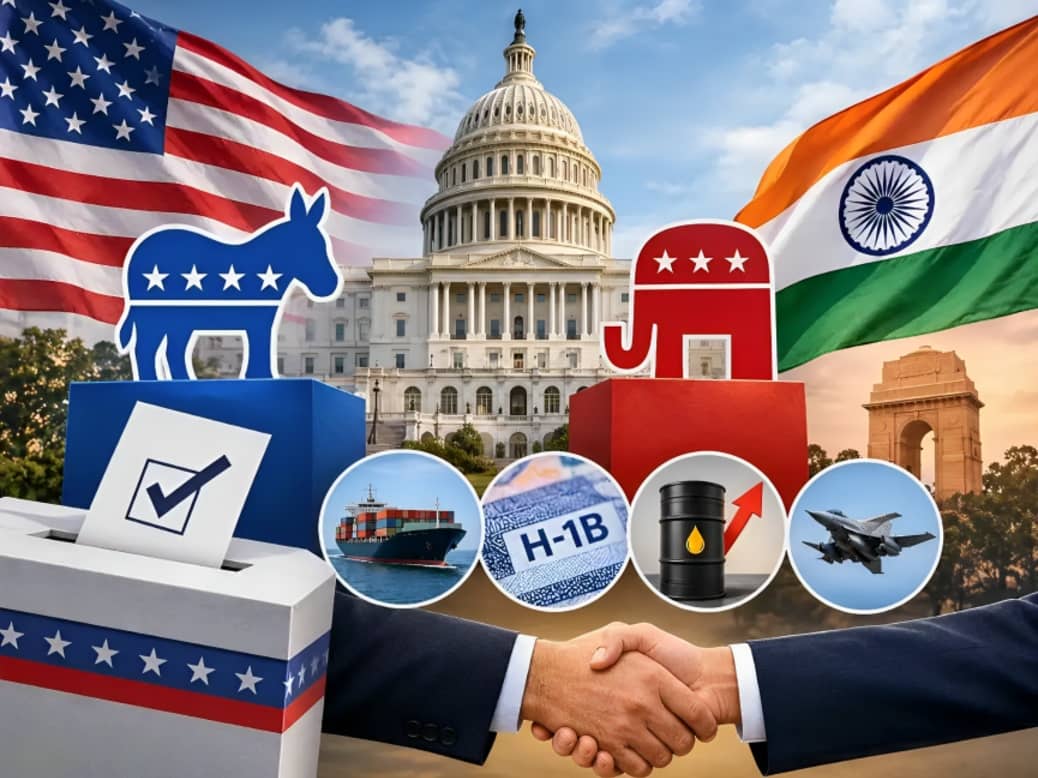
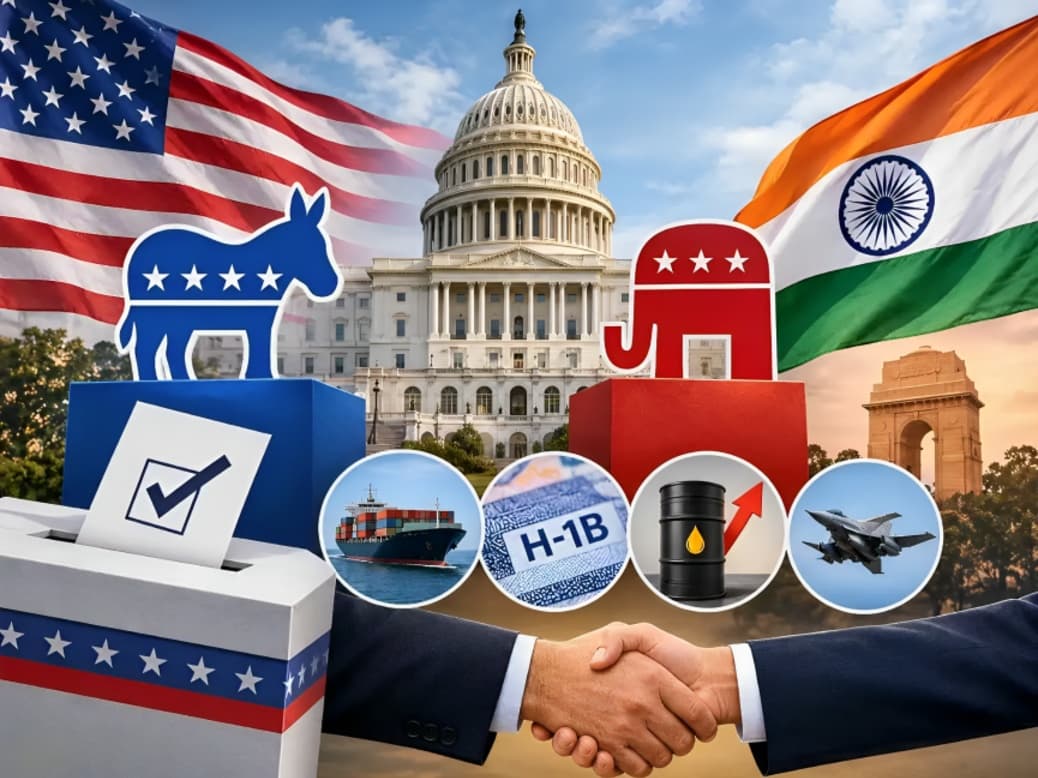
The recent United States midterm election results have brought renewed attention to the influence of voters in a democratic system. The Republican Party suffered significant electoral losses, losing its majorities in both the House of Representatives and the Senate, according to the supplied report. The outcome has highlighted how voters can influence political leadership and reshape the balance of power through the electoral process.
The central message behind the results is that public support remains an important factor in determining political success. Financial resources, campaign spending and organisational strength can play significant roles in elections. However, they do not guarantee victory. Ultimately, voters decide which candidates and political parties receive their support. The latest results have therefore prompted discussions about the relationship between money, political influence and the power of the electorate.
The United States Congress consists of two chambers, the House of Representatives and the Senate. Both play important roles in the country's legislative system. The House represents congressional districts, while the Senate represents the states. Political control of these chambers can influence the passage of legislation, government oversight and the broader legislative agenda.
When a party loses its majority in either chamber, its ability to advance its political priorities can become more difficult. Losing control of both chambers represents a significant political challenge because the opposition gains greater influence over legislative discussions and decisions. The Republican Party's reported losses in both the House and Senate have therefore raised questions about the future balance of political power in Washington.
Midterm elections are held halfway through a US president's four-year term. They are often viewed as an important assessment of the administration's performance and the political mood of the electorate. Voters use these elections to choose representatives and express their views on the direction of the government. The results can influence the president's ability to implement policies during the remainder of the term.
The latest outcome has brought the role of ordinary voters into focus. Elections provide citizens with an opportunity to evaluate political parties, candidates and their promises. Voters may consider issues such as the economy, public services, national policies and the performance of elected representatives when making their decisions. The combined impact of individual voting choices can significantly change the political landscape.
The idea of people power over money power reflects the argument that democratic authority ultimately comes from the electorate. Political campaigns may involve substantial financial resources, advertising and large organisational networks. However, these factors cannot independently determine the final result. Voters retain the power to support or reject political candidates through their ballots.
The results also underline the importance of political accountability. Elected representatives and political parties are expected to respond to public concerns and explain their decisions. When voters are dissatisfied with political performance, elections provide a constitutional and democratic way to express that dissatisfaction. A change in the balance of power can therefore serve as a signal that public expectations and political priorities may have shifted.
For the Republican Party, losing majorities in both chambers would create a different legislative environment. The party would need to work with political opponents to advance legislation and negotiate support for its proposals. The opposition's increased influence could also lead to closer scrutiny of government decisions and greater debate over policy matters.
At the same time, election results should be understood in the context of the specific issues and circumstances that influenced voters. The supplied report does not identify the individual candidates, states, voting margins or specific issues behind the Republican Party's losses. It is therefore not possible to attribute the outcome to a single political issue or campaign strategy based on the available information.
The wider significance of the reported results lies in the role of elections as an instrument of democratic participation. Political power is not permanently held by any one party. Voters can change the composition of legislative institutions by choosing different representatives. This ability to influence government through elections is a central feature of representative democracy.
The message of people power over money power also raises broader questions about political funding and electoral influence. Campaign financing can affect the visibility of candidates and the reach of political messages. Nevertheless, democratic legitimacy depends on the choices made by eligible voters. The election outcome reinforces the importance of public participation in determining who holds political office.
The reported Republican losses in the House and Senate have therefore become a subject of wider political discussion. The results highlight the ability of voters to influence the country's legislative balance and remind political parties that electoral support must be maintained through public confidence and accountability.
Ultimately, the central message is that money and political resources alone cannot guarantee electoral success. The electorate has the authority to determine the outcome through voting. The recent US midterm results, as described in the supplied report, have brought this principle back into focus and highlighted the importance of people power in a democratic system.