US President Donald Trump has dismissed reports concerning the living conditions and prolonged deployment of the USS Abraham Lincoln, calling the criticism fake news while defending the condition of the aircraft carrier and its crew.
The controversy has developed amid growing reports about the strain on sailors aboard the nuclear powered carrier, which has been deployed in the Middle East for an extended period. The ship has reportedly remained at sea for more than 250 days without a port visit, creating concerns about the physical and mental wellbeing of its crew.
Reports from US media outlets have highlighted concerns involving supplies, plumbing, food availability, mail services and the mental health of some sailors. Families of personnel serving aboard the vessel have also expressed concerns about the length of the deployment and the conditions faced by their relatives.
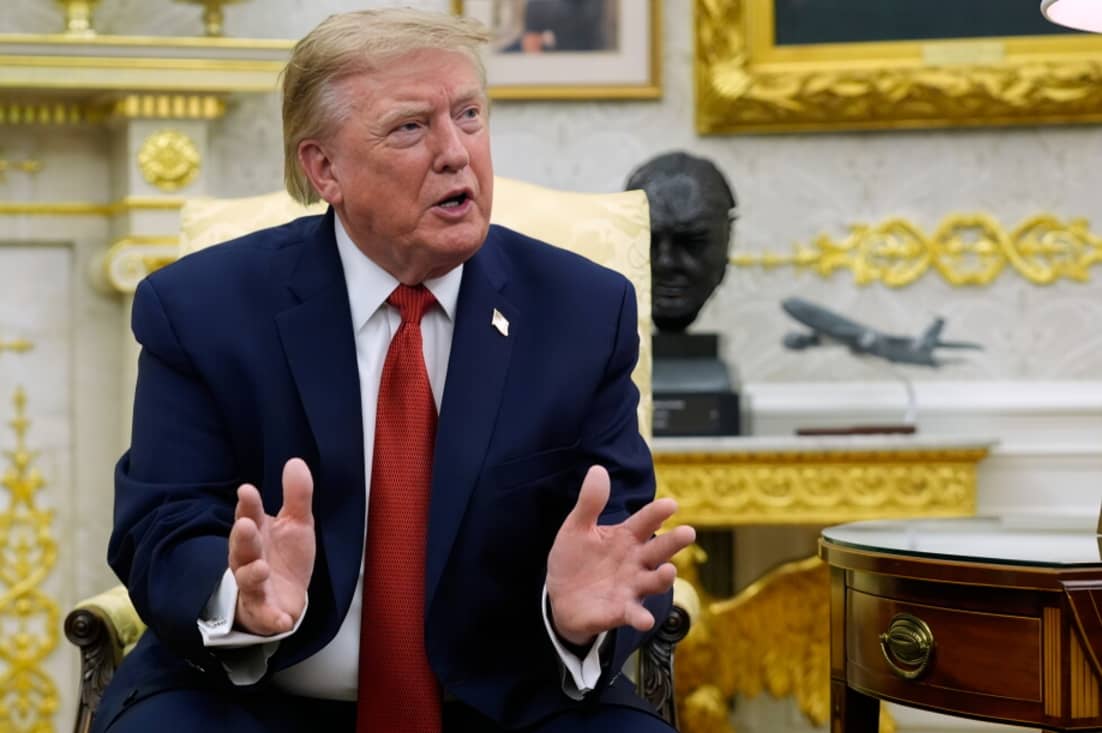
Trump, however, rejected the characterisation of the situation as a serious deterioration. He said he had received information from people familiar with the ship indicating that it was being properly maintained.
The president referred to a retired admiral who had reportedly told him that the carrier was well maintained. Trump used that account to challenge media reports describing serious problems aboard the vessel.
The issue became particularly contentious during an Oval Office interaction with reporters. CNN correspondent Kristen Holmes questioned Trump about the situation involving the USS Abraham Lincoln and other foreign policy matters.
Trump responded angrily during the exchange and repeatedly instructed Holmes to be quiet. He also described her as a loud and boisterous reporter and accused her of reporting fake news.
The confrontation quickly became a wider media story, with CNN journalists publicly defending Holmes. CNN said that its correspondent was carrying out her professional responsibilities by asking questions about matters of public interest.
Several CNN anchors and journalists expressed support for Holmes following the exchange. The incident once again highlighted the tense relationship between Trump and sections of the US news media.
The White House also became involved in the dispute. According to reports, a White House social media account subsequently criticised Holmes, escalating the confrontation beyond the original exchange between the president and the journalist.
The dispute over the USS Abraham Lincoln is separate from the disagreement between Trump and CNN, although the two issues became connected after Holmes questioned the president about conditions aboard the carrier.
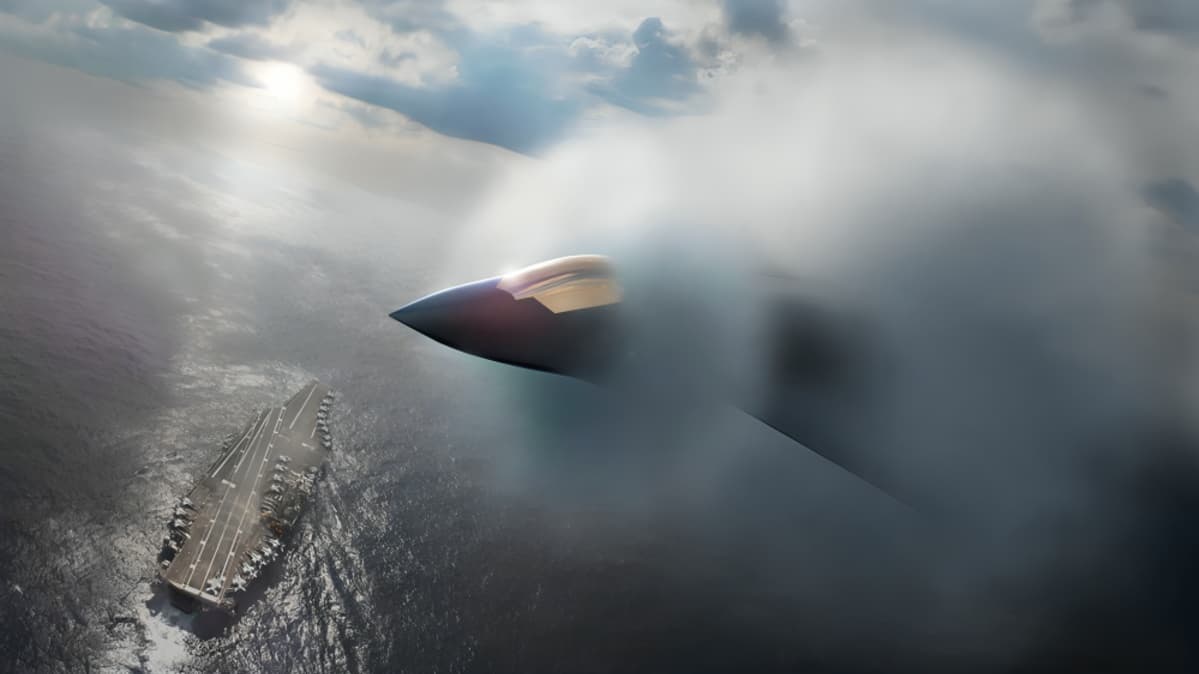
The USS Abraham Lincoln has been involved in US military operations in the Middle East. Its prolonged deployment has attracted attention because naval aircraft carriers typically undergo periodic port visits and crew rotations during extended missions.
The carrier reportedly departed San Diego in November 2025 and has remained deployed for an unusually long period. Reports have described the deployment as one of the longest uninterrupted periods at sea for a modern US aircraft carrier.
The prolonged deployment has raised questions about the impact on sailors. Reports have cited concerns about shortages of certain supplies, difficulties involving fresh food and other logistical challenges.
There have also been reports concerning mental health problems among members of the crew. Some reports have referred to suicide attempts or other serious mental health episodes involving sailors. These reports have contributed to concerns among military families and lawmakers about whether the deployment has continued for too long.
US Defense Secretary Pete Hegseth has also rejected claims that conditions aboard the carrier have deteriorated to the extent suggested by some media reports. He described reports about poor conditions as significantly misrepresented and defended the efforts being made to support the crew.
The Pentagon has been working on a rotation of aircraft carriers in the region. The USS George Washington is reportedly being positioned to replace the USS Abraham Lincoln, allowing the Lincoln and its crew to leave the extended deployment.
The planned rotation indicates that the US military recognises the need to manage the demands placed on carrier crews, even as officials continue to defend the overall conditions aboard the vessel.
Trump has also previously dismissed concerns about the length of the Lincoln's deployment. On August 14, when asked whether the carrier had been deployed for too long, he said the deployment was not nearly long enough.
That comment generated further criticism from lawmakers and families of sailors, who argued that the length of the mission was placing additional pressure on personnel.
The USS Abraham Lincoln has a crew of approximately 5,000 sailors and Marines. Keeping such a large number of personnel at sea for an extended period requires significant logistical support, including food, water, medical services, maintenance and communication facilities.
The controversy therefore involves broader questions about military readiness and personnel welfare. A carrier may remain operational for an extended period during wartime, but the physical and psychological demands on its crew must also be considered.
The reports about the Lincoln have prompted Democratic lawmakers to call for greater scrutiny of conditions aboard the ship. Senator Richard Blumenthal, among others, has raised concerns about the welfare of the sailors and requested information from the Defense Department.
The Trump administration has maintained that the US military is adequately supporting personnel involved in the ongoing operations. Officials have also argued that wartime conditions can require deployments that are significantly longer than normal peacetime schedules.
The dispute demonstrates the difficulty of independently assessing conditions on a deployed military vessel. Information about military operations can be restricted for security reasons, while reports from sailors, families and media outlets can provide different perspectives.
Trump's dismissal of the reports as fake news has therefore become part of a larger political and media debate. Critics argue that concerns raised by military families and sailors should be taken seriously and investigated rather than dismissed.
Supporters of the administration argue that the president is entitled to challenge reports he believes are inaccurate and that the military leadership has a responsibility to protect operational information.
The confrontation with Holmes has further intensified this debate. Trump's relationship with CNN has been adversarial for years, with the president frequently accusing the network of producing biased or inaccurate coverage.
CNN has consistently rejected such accusations and has defended its journalists' reporting.
The latest incident has therefore been interpreted by media organisations not simply as a disagreement over the USS Abraham Lincoln but also as another example of the continuing tension between the Trump administration and the press.
The incident also raises questions about the role of journalists when reporting on military operations. Questions about the welfare of service members and the use of military resources are legitimate matters of public interest, while journalists must also work within the limitations created by national security considerations.
For the sailors aboard the Lincoln, the central issue remains their ability to continue their mission while receiving adequate food, medical care, supplies, rest and psychological support.
The planned arrival of another carrier could eventually ease some of the pressure created by the extended deployment. However, the controversy is likely to continue until the US military provides greater clarity about the actual conditions aboard the Lincoln.
It is also important to distinguish between confirmed information and allegations. Reports about shortages and mental health concerns have been published by multiple media organisations, while the Trump administration and Defense Department have disputed the severity of some of those reports.
The president's statement that the reports are fake represents his assessment and does not by itself resolve the underlying questions about conditions aboard the carrier.
The dispute is therefore likely to remain a subject of political and media scrutiny as the USS Abraham Lincoln's replacement proceeds.
Overall, Trump has rejected reports of poor conditions aboard the USS Abraham Lincoln and defended the carrier's maintenance and support systems. His confrontation with CNN reporter Kristen Holmes has added a media dimension to the controversy, while concerns from sailors' families, lawmakers and media reports continue to focus attention on the effects of the carrier's unusually long deployment.