
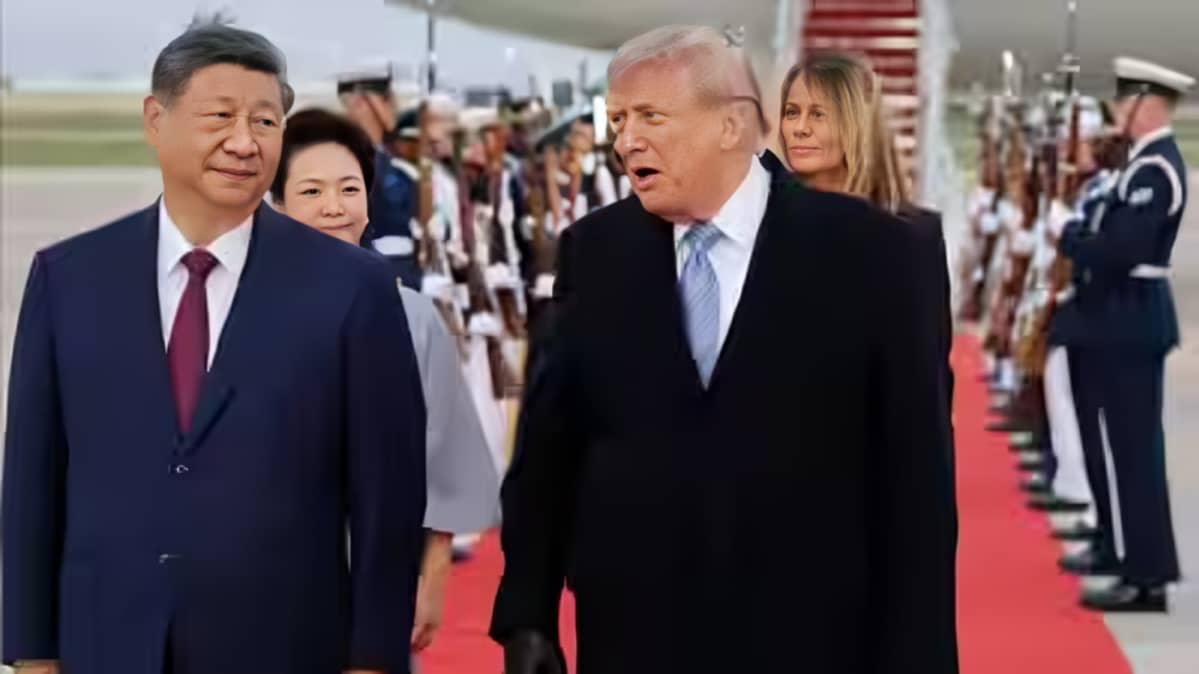
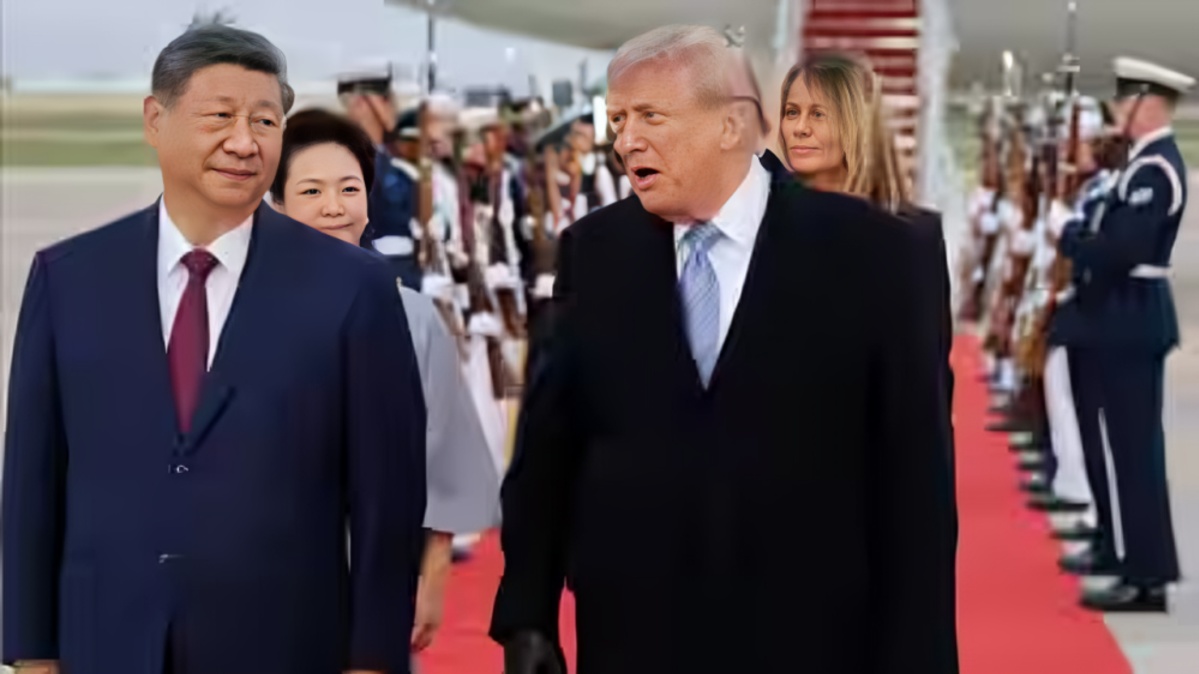
US President Donald Trump personally welcomed Chinese President Xi Jinping at Joint Base Andrews in Maryland on September 23, beginning Xi’s three day state visit to the United States. The unusual airport reception was part of a high profile diplomatic programme aimed at highlighting the importance of US China relations.
The White House said Trump and First Lady Melania Trump would welcome Xi and his wife, Peng Liyuan, during the visit. The programme includes a formal state arrival ceremony at the White House, a military review, a state dinner and other official engagements. The White House said the formal ceremony on September 24 would involve hundreds of US military personnel and include military musical performances and a flyover.
Trump’s decision to personally greet Xi at Joint Base Andrews was notable because US presidents do not routinely meet visiting foreign leaders at the airport. Reuters reported that the reception included a military band, ceremonial activities and an aircraft flyover, underscoring the importance attached to the visit.
Xi’s visit comes at a time when Washington and Beijing are attempting to manage a complicated relationship. The two countries have sought to ease some economic tensions while continuing to disagree on several major issues. Trade remains a central subject, with the United States and China discussing the continuation of a temporary trade arrangement.
Technology is another major area of disagreement. Washington has maintained restrictions involving advanced semiconductor technology and other strategic technologies, while China continues to develop its domestic capabilities in areas such as artificial intelligence. The two governments are also expected to discuss artificial intelligence and possible approaches to managing technology related risks.
Taiwan is another sensitive issue in the relationship. Beijing considers Taiwan part of China, while the United States maintains extensive relations with Taiwan and has continued to provide support that China opposes. The issue is therefore expected to remain an important part of the broader strategic discussions between Washington and Beijing.
Critical minerals and rare earth supplies are also significant economic issues. China has an important role in global rare earth supply chains, while the United States is seeking secure access to critical materials needed for advanced manufacturing and technology. These issues have become increasingly connected to the wider US China economic and national security relationship.
The visit also comes amid wider international concerns involving Iran. US officials are expected to discuss China’s relationship with Iran and other geopolitical issues as part of the broader talks. However, the exact outcomes of the discussions will depend on negotiations between the two governments.
Despite the ceremonial welcome, the visit does not remove the major differences between Washington and Beijing. Reuters reported that expectations for a broad breakthrough were limited, even as both sides continued diplomatic engagement and sought to extend their trade understanding.
The visit is therefore being closely watched for possible developments in trade, technology, artificial intelligence, critical minerals, Taiwan and wider security relations. The high profile reception demonstrates the diplomatic importance of the meeting, while the continuing policy differences show that the relationship remains complex.
The formal discussions and state events are expected to continue through September 26. The outcome could provide further indications of how the United States and China intend to manage their economic competition and strategic differences while maintaining direct communication.