US President Donald Trump’s involvement in Nvidia’s leadership dispute has exposed fresh disagreements within his Make America Great Again political movement. His support for reinstating Jensen Huang as the technology company’s chief executive officer has attracted criticism from Republican lawmakers concerned about national security and corporate accountability.
Nvidia announced Huang’s return as chief executive officer on November 23, 2026. The decision followed discussions between the company’s leadership and senior government officials.
The development has drawn attention to the relationship between the Trump administration, major American technology companies and conservative political groups. It has also raised questions about the appropriate level of presidential involvement in corporate leadership decisions.
Nvidia Reinstates Jensen Huang as Chief Executive Officer
Nvidia confirmed that its board of directors unanimously approved Jensen Huang’s reinstatement as president, chief executive officer and board member.
The company announced that the decision followed discussions with Huang and consultations involving senior government officials. Nvidia’s board expressed confidence in his ability to lead the organisation.
Colette Kress, who had served as interim chief executive officer, continues in her position as chief financial officer.
Huang’s return marks a significant leadership development for Nvidia, which plays an important role in the global semiconductor and artificial intelligence industries.
Donald Trump Takes Credit for Huang’s Return
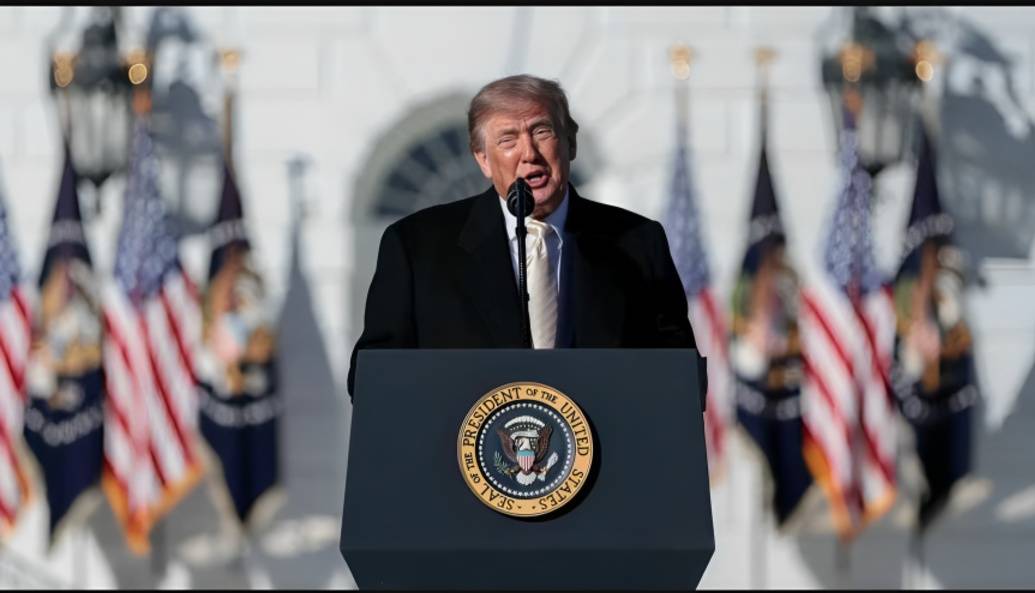
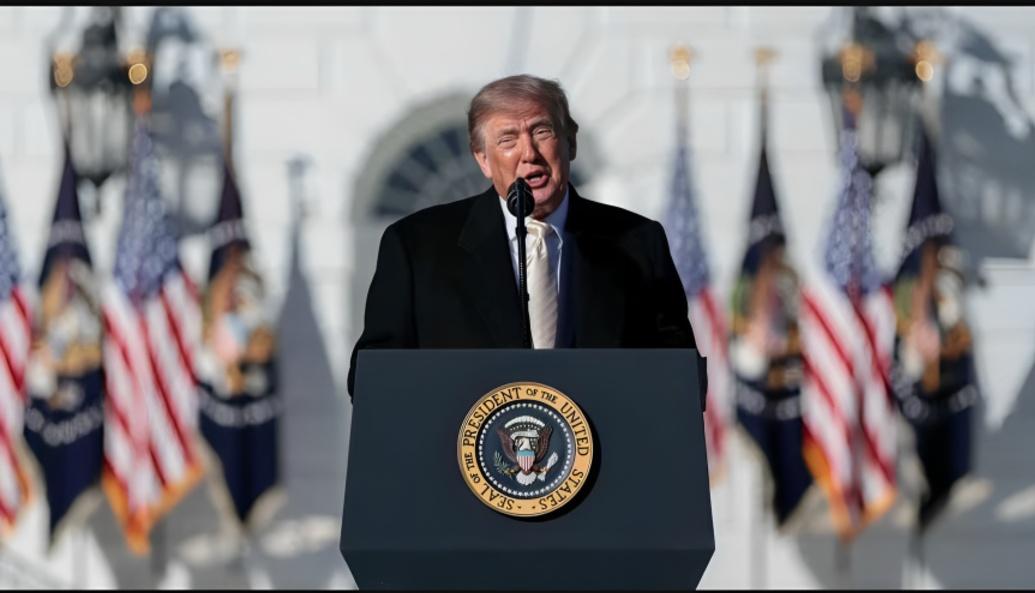
President Donald Trump publicly acknowledged his involvement in discussions concerning Huang’s reinstatement.
Speaking during an interview with CNBC, Trump said he had communicated with Nvidia’s board members and persuaded them to support Huang’s return.
The president expressed confidence in Huang’s leadership and emphasised his importance to American technological development.
Trump’s involvement reflects the administration’s interest in maintaining American competitiveness in emerging technologies, particularly artificial intelligence and advanced semiconductor manufacturing.
However, the president’s participation in Nvidia’s leadership decision has prompted wider discussions about the relationship between political authority and private sector management.
Disagreements Emerge Within the MAGA Coalition
Trump’s support for Huang has exposed differences among Republican lawmakers and conservative political groups.
While some supporters view the decision as beneficial to American technological competitiveness, others have expressed concerns regarding national security and the responsibilities of corporate leaders.
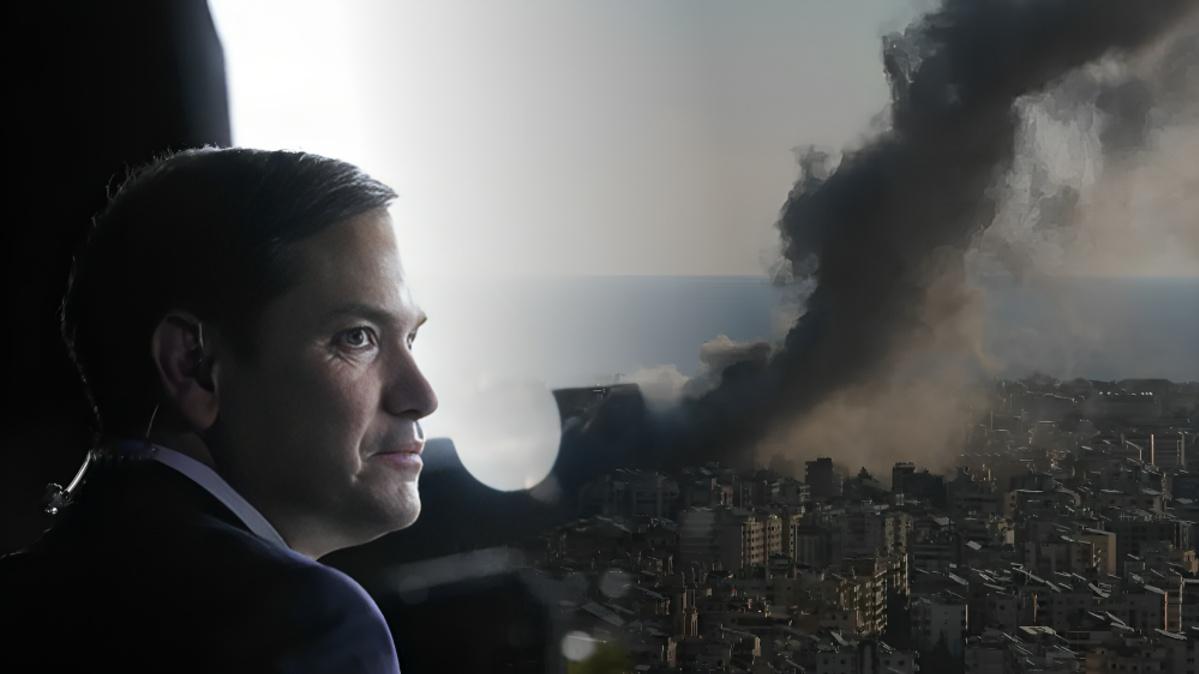
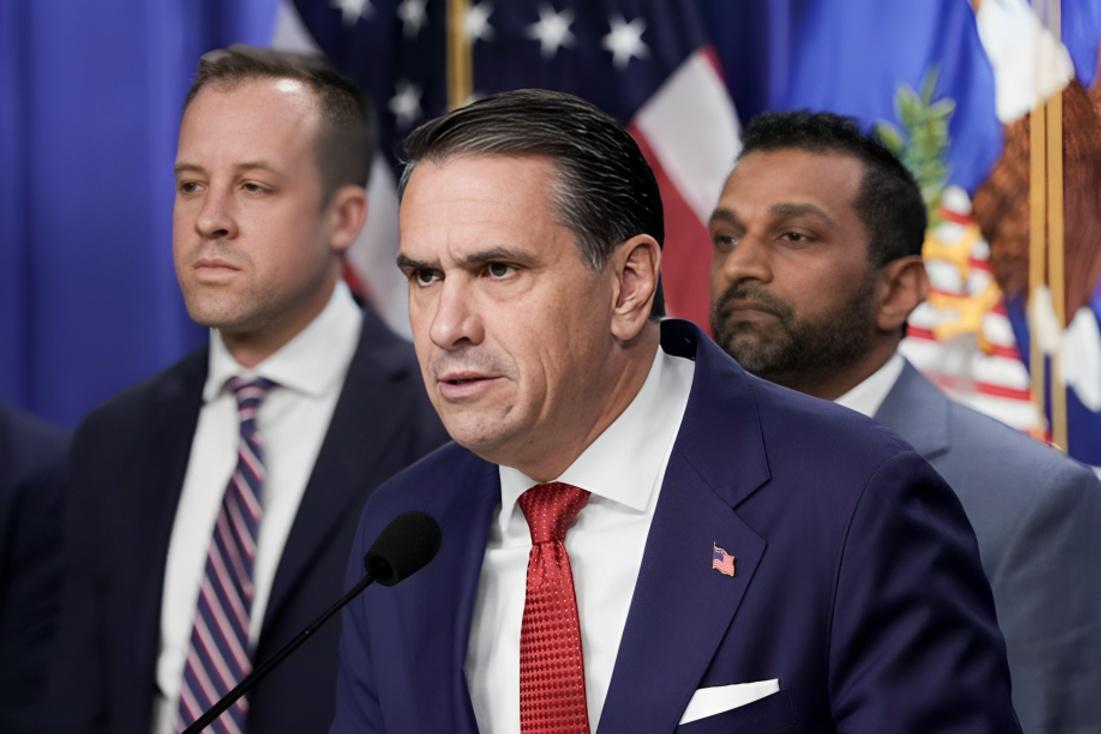
Republican lawmakers including John Cornyn, John Curtis and Pete Ricketts have questioned aspects of the reinstatement and the assessment of potential security risks.
The differing responses demonstrate that conservative political groups do not necessarily share a unified position on government involvement in major technology companies.
The disagreement also highlights competing priorities within the Republican Party, particularly regarding economic growth, corporate independence and national security.
Corporate Governance Concerns Following Nvidia Decision
The reinstatement has generated broader discussions about corporate governance and the independence of company boards.
Corporate boards are responsible for overseeing executive leadership, managing organisational risks and protecting shareholder interests.
Decisions concerning senior executives can have significant implications for employees, investors, customers and business partners.
When government officials become involved in corporate leadership discussions, questions may arise regarding the influence of political considerations on business decisions.
Supporters of government engagement may argue that strategically important industries require coordination with national authorities.
Critics, however, may question whether such involvement could weaken independent corporate decision making and create potential conflicts of interest.
The Nvidia development has brought these competing perspectives into the broader public discussion.
Artificial Intelligence and National Security Remain Key Issues
Nvidia occupies an important position in the rapidly developing artificial intelligence industry.
Its advanced computing products support a wide range of applications, including scientific research, cloud computing, industrial automation and artificial intelligence development.
The semiconductor industry has also become increasingly important to national security and international technological competition.
American policymakers continue to debate how advanced computing technologies should be regulated, particularly regarding exports to China and other international markets.
Some policymakers favour maintaining access to international markets to strengthen American technological influence. Others support tighter export restrictions to prevent sensitive technologies from creating national security risks.
Huang’s reinstatement has renewed attention on these policy disagreements.
Nvidia Confirms Continuing Internal Investigations
Nvidia stated that an independent investigation concerning reported foreign intelligence targeting would continue despite Huang’s reinstatement.
The company has also established a committee responsible for overseeing export compliance and national security risks.
These arrangements indicate that the leadership decision does not conclude the company’s ongoing examination of security and compliance matters.
The existence of an investigation does not independently establish wrongdoing, and its findings should not be anticipated before the process is completed.
Corporate accountability and regulatory compliance remain important considerations as Nvidia continues its operations in international markets.
Significance for India’s Technology Sector
Developments involving Nvidia are important to India because of the country’s expanding artificial intelligence ecosystem, semiconductor ambitions and demand for advanced computing infrastructure.
Indian technology companies, research institutions and data centre operators use advanced computing technologies to support innovation and digital transformation.
Changes in American semiconductor export policies and corporate strategies could potentially influence international technology partnerships and the availability of advanced computing products.
However, no specific impact on Nvidia’s Indian operations or investments has been established in connection with Huang’s reinstatement.
Political Debate Over Nvidia Leadership Continues
Trump’s involvement in Huang’s return has brought renewed attention to disagreements within the Republican Party over technology policy and government participation in corporate affairs.
While the administration has emphasised American technological leadership, critics continue to raise questions regarding transparency, independent oversight and national security.
Huang’s reinstatement has resolved Nvidia’s immediate leadership uncertainty, but broader political and regulatory discussions remain ongoing.
The future direction of these debates will depend on congressional scrutiny, corporate investigation findings and developments in American technology policy.
The controversy highlights the increasingly complex relationship between political leadership, corporate governance, economic competitiveness and national security in the artificial intelligence era.