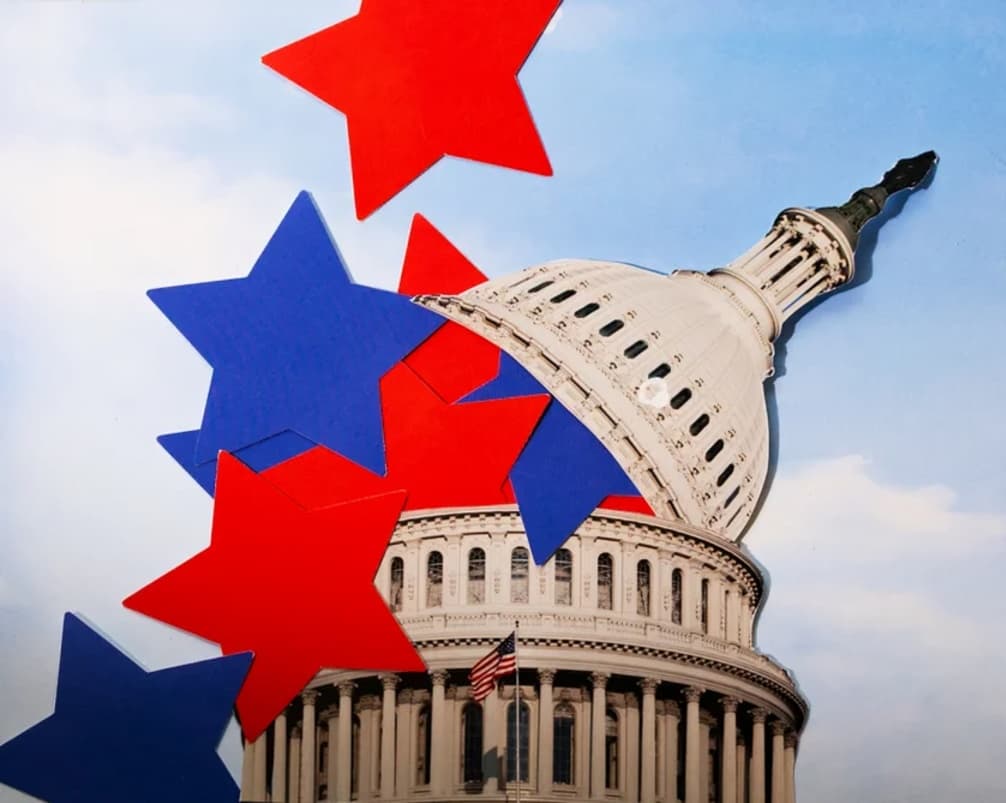
The 2026 United States midterm elections have produced a major political development, with the Democratic Party securing control of both the House of Representatives and the Senate. The results mark a significant change in the balance of power in the US Congress and could influence the direction of national policymaking during the remaining years of President Donald Trump's current term.
The election was held across the United States, with voters choosing representatives for the House and several members of the Senate. These elections are important because they determine which political party will hold the majority in the two chambers of Congress. The outcome also affects how easily the president can advance legislative proposals and secure support for government policies.
According to the latest available election projections, Democrats have won control of the House of Representatives. The party has made substantial gains in several competitive districts, while Republicans have lost their previous majority. Some House races are still awaiting final calls, meaning the complete seat distribution may continue to change as officials finish counting votes and confirm the results.
The Senate has also shifted in favour of the Democrats. The party has secured enough victories to regain control of the upper chamber after the election. Several important Senate contests contributed to this change, including races in states where Republican candidates had previously held significant political advantages. However, a small number of Senate contests remain unresolved, and their final outcomes will determine the precise balance of seats.
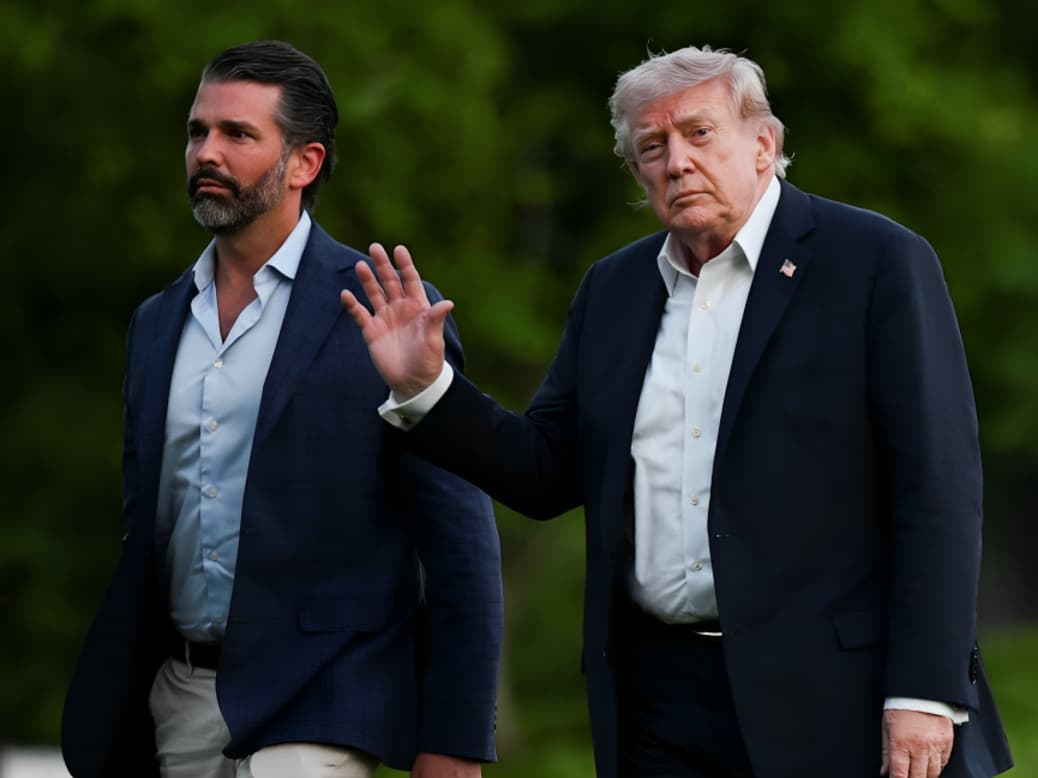
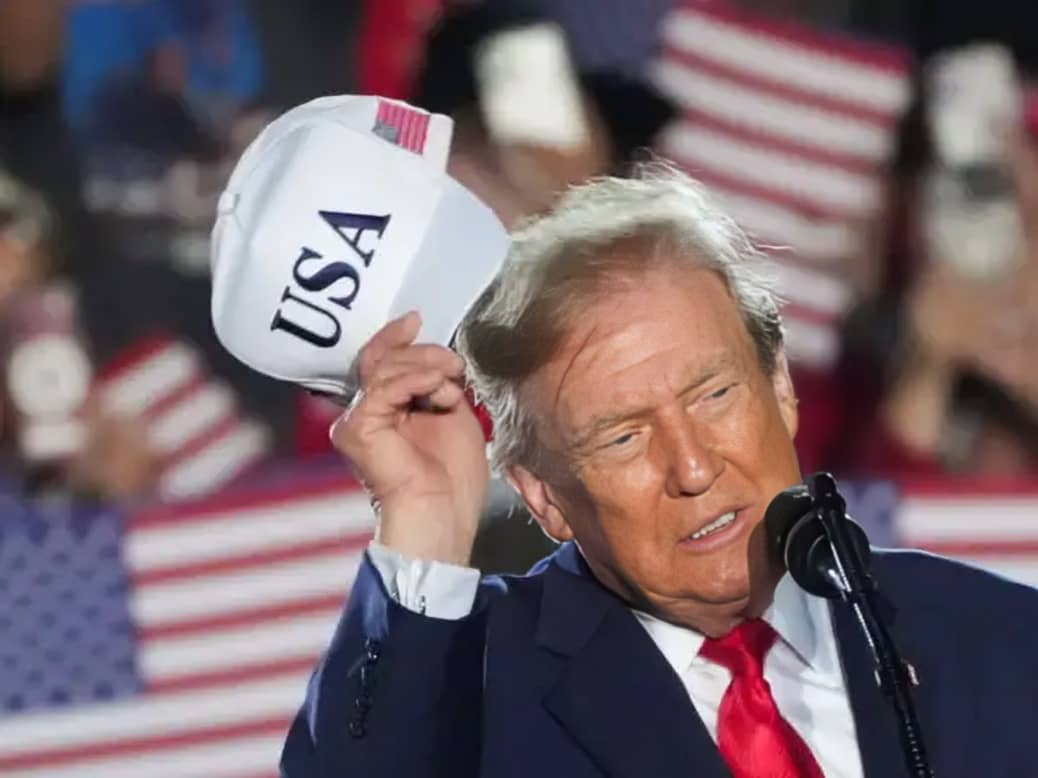
The change in congressional control is significant for President Donald Trump and his administration. Before the election, Republicans held control of both chambers, giving the president greater support when advancing legislative priorities. With Democrats now controlling the House and Senate, the administration will face a different political environment when seeking approval for legislation and government spending measures.
The House of Representatives plays a central role in introducing and passing federal legislation, approving government spending and conducting oversight of the executive branch. Control of the chamber gives Democrats the ability to influence the legislative agenda, decide which proposals receive consideration and lead important committee activities. The party is also expected to use its majority to examine policies and decisions made by the Trump administration.
The Senate has separate responsibilities, including considering legislation, confirming presidential appointments and participating in decisions involving federal judges and other senior government positions. Democratic control of the chamber will therefore give the party considerable influence over these processes. It will also affect negotiations between congressional leaders and the White House on major national issues.
Several factors contributed to the political environment surrounding the 2026 elections. Economic concerns, the cost of living and public opinion about the administration's policies were among the issues discussed during the campaign. The war involving Iran and its reported impact on fuel prices also became part of the political debate. These issues featured in discussions about the reasons behind the Republican Party's losses.
The election results have also triggered discussions about leadership in Congress. House Democratic Leader Hakeem Jeffries is expected to seek the position of Speaker of the House when the new Congress begins its work. However, the formal selection process requires support from members of the incoming House, and the final decision will take place through the congressional voting procedure.
The incoming Democratic majority is expected to focus on issues including affordability, healthcare and government accountability. Party leaders have indicated that they want to pursue policies addressing the financial pressures faced by American households. They are also expected to review some of the policy decisions taken by the Republican-controlled Congress and the Trump administration.
For Republicans, the election outcome represents a major setback. The party will have to reassess its campaign strategy, leadership priorities and approach to congressional negotiations. Republican lawmakers will continue to participate in the legislative process, but their reduced influence in both chambers will make it more difficult to pass legislation without support from Democrats.
Despite the projected outcome, vote counting remains important in individual constituencies. Election authorities must complete the counting process, verify the results and follow the required procedures before every race can be officially declared. Close contests may require additional time for final confirmation. Therefore, the number of seats held by each party should be treated separately from the broader projection of which party controls Congress.
The final distribution of seats will provide a clearer picture of the strength of the Democratic majority in both chambers. It will also indicate how much influence individual lawmakers and party leaders will have when negotiating legislation. The results of closely contested races could matter when Congress considers important bills and government funding decisions.
The 2026 midterm elections have therefore created a new political situation in Washington. Democrats have secured control of the House and Senate, while Republicans prepare to move into the congressional minority. The outcome is expected to shape legislative debates, oversight activities and political negotiations in the months ahead.
As the remaining results are confirmed, attention will turn to the incoming Congress, its leadership elections and the priorities set by the Democratic majority. The change in control will be an important test of how the White House and Congress work together under divided political leadership.