
Several significant developments across West Asia, the United States, Pakistan and India have emerged as major news stories, with regional security, diplomatic engagement and a high profile road incident drawing attention.
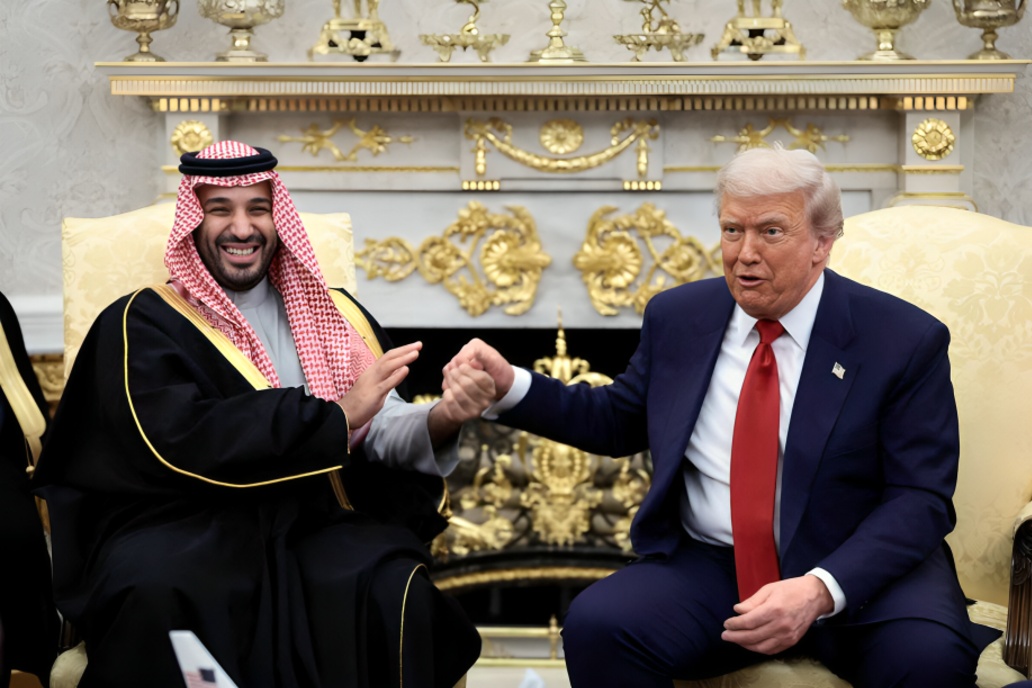
In Saudi Arabia, Crown Prince and Prime Minister Mohammed bin Salman held talks with US Central Command Commander Admiral Brad Cooper in Jeddah. The discussions took place amid heightened regional tensions and attacks linked to Yemen's Houthi movement. The meeting focused on bilateral relations and developments affecting regional security.
The meeting comes at a time when Saudi Arabia has faced security concerns linked to Houthi attacks. The situation has also raised wider concerns about regional stability, energy infrastructure and the security of important maritime routes.
The Saudi-US security relationship remains significant for the wider Gulf region. Washington and Riyadh have maintained long-standing defence and security cooperation, while recent developments have increased the importance of coordination between the two countries.
At the same time, US Vice President JD Vance said Washington is engaged in direct diplomatic channels with the Houthis. The comments indicate that the United States is keeping communication open with the Yemen-based group despite continuing tensions in the region.
Vance's remarks come amid growing international concern over the security situation around Yemen and the Red Sea. The waterway is an important route for global trade, and instability in the region can affect shipping, energy supplies and international commerce.
The US administration has indicated that it is closely monitoring developments involving the Houthis. Direct communication channels can provide a way to discuss regional tensions and explore possibilities for reducing escalation, although the existence of talks does not necessarily mean that a broader political agreement has been reached.
Pakistan has also become involved diplomatically in the latest regional developments. Prime Minister Shehbaz Sharif held a telephone conversation with Saudi Crown Prince Mohammed bin Salman and expressed Pakistan's support for Saudi Arabia following recent Houthi attacks.
According to reports, Sharif condemned attacks against Saudi civilian and economic infrastructure and expressed solidarity with the Saudi leadership and people. He also stressed the importance of regional peace and stability.
The Pakistani prime minister reportedly praised the Saudi leadership's handling of the crisis and said Islamabad would continue efforts aimed at reducing tensions. The two leaders agreed to remain in close contact and discussed the importance of continued cooperation.
The developments involving Saudi Arabia, the United States and Pakistan come against a broader backdrop of changing security dynamics in West Asia. Several countries in the region are attempting to balance military preparedness with diplomatic efforts to prevent further escalation.
For Saudi Arabia, protecting civilian infrastructure and economic facilities remains a major concern. The kingdom's energy infrastructure is particularly important because Saudi Arabia is one of the world's largest oil producers and exporters. Any disruption to production or transportation can have consequences beyond the region.
For the United States, the situation also has implications for freedom of navigation and the security of commercial shipping. Washington has continued to monitor threats in and around the Red Sea, while maintaining communication with regional partners.
The other major story attracting attention in India involves Gurugram biker Sia, who has challenged the version of the driver accused of hitting her motorcycle on Golf Course Road.
The incident occurred when Sia was riding her Aprilia RS 457 motorcycle with a group of bikers. Video footage from a camera mounted on the motorcycle subsequently circulated widely on social media. The footage shows a car colliding with the motorcycle and the rider falling onto the road.
The accused driver, Kalyan Bainsla, has denied intentionally hitting the motorcycle. He has claimed that the collision occurred after he lost control of the car and that he left the scene because he feared confrontation with the group of bikers.
Sia has rejected that explanation. In a video statement, she questioned why the driver did not stop after the collision if the incident had been accidental. She also disputed his account of what happened before the crash and said that the available video footage clearly showed the sequence of events from her perspective.
The Gurugram Police have registered a case and initiated an investigation into the incident. Authorities have examined video footage and other available evidence as part of the investigation.
Subsequent reports indicate that police intensified action against the accused driver and that an attempt to murder charge was added to the case following further investigation and review of the available evidence. The allegation remains subject to the legal process and should not be treated as a final finding of guilt.
The Gurugram incident has generated considerable public attention because of the availability of video footage. It has also prompted discussion about road safety, aggressive driving and the responsibilities of motorists after a collision.
The case highlights the importance of allowing investigators and courts to determine the facts based on evidence rather than relying solely on competing statements made by the individuals involved.
Taken together, these developments show how security and public safety issues are shaping the day's major headlines. In West Asia, Saudi Arabia is strengthening coordination with the United States while maintaining diplomatic contacts with regional partners such as Pakistan. At the same time, Washington says it has maintained direct communication channels with the Houthis.
In India, the Gurugram case continues to develop as police investigate the circumstances surrounding the collision and assess the evidence presented by both sides.
The coming days are likely to provide further clarity on the diplomatic efforts involving the Houthis, the regional security situation and the legal proceedings in the Gurugram case. For now, authorities in each matter remain focused on security, investigation and maintaining stability.
The developments also demonstrate the importance of verified information during fast-moving events. Statements by political leaders, military officials, police authorities and people directly involved in incidents can differ significantly. Reporting these statements with appropriate attribution allows readers to understand the competing claims while avoiding premature conclusions.