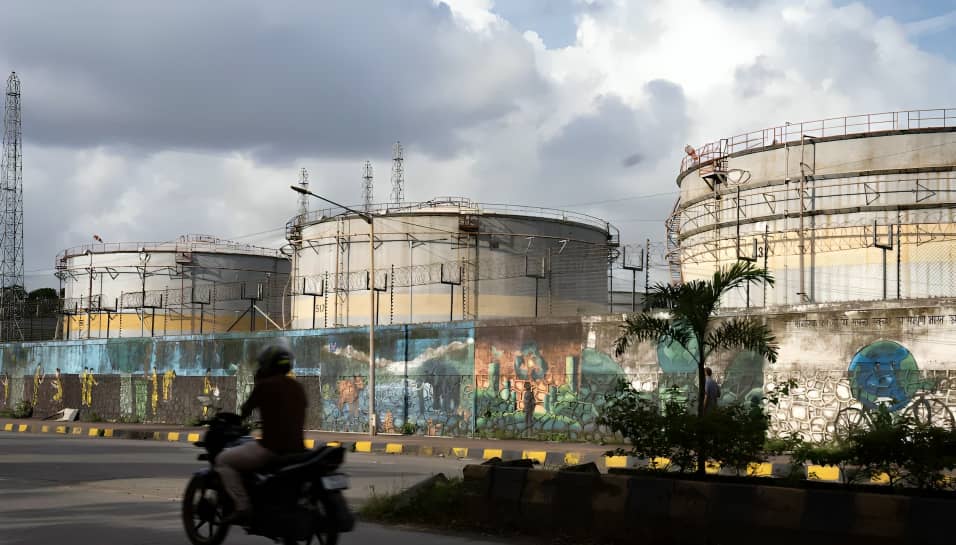
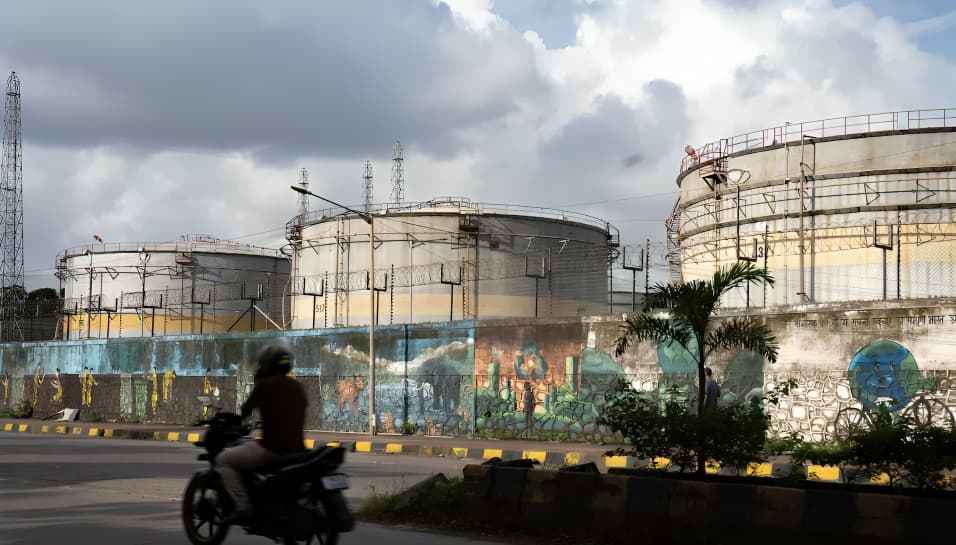
The decision by the United States to not renew a temporary sanctions waiver on oil purchases from Russia and Iran is expected to have implications for global energy markets, including countries like India. The waiver had previously allowed certain transactions involving oil that was already in transit, providing limited flexibility for importing nations.
According to officials, the waiver covered shipments that had been initiated before a specified deadline, ensuring that these transactions could be completed without violating sanctions. However, with the decision not to extend the waiver, future purchases may face stricter restrictions, affecting supply chains and trade patterns.
India, which has emerged as a significant importer of discounted crude oil from Russia in recent years, could be impacted by this development. Access to competitively priced oil has been an important factor in managing domestic fuel costs and supporting economic stability. Any disruption in supply or increase in prices may influence inflation and energy expenses.
he global oil market is sensitive to policy changes, especially those involving major producers and consumers. Restrictions on Russian and Iranian oil exports can lead to adjustments in supply, which in turn affects prices. Countries may need to explore alternative sources or renegotiate existing contracts to maintain supply continuity.
Officials from tThe United States have emphasised that the decision is part of broader policy measures aimed at enforcing sanctions and addressing geopolitical concerns. Such measures are often designed to influence international relations and economic activities, but they can also have wider effects on global markets.
For India, the situation may require strategic adjustments in energy procurement. Diversifying import sources, increasing domestic production, and investing in alternative energy are some of the approaches that could help mitigate the impact. Policymakers may also monitor global price trends closely to manage any potential economic effects.
Industry experts note that while the immediate impact may depend on market responses, long term implications could include shifts in trade routes and partnerships. Countries that rely on imported energy will need to remain flexible in adapting to changing conditions.
The development also highlights the interconnected nature of global energy markets. Decisions taken by one country can influence supply chains and pricing across regions, affecting both producers and consumers.
As the situation evolves, stakeholders will be closely watching how oil prices respond and how countries adjust their strategies. The ability to navigate such changes will be important in maintaining energy security and economic stability.
The decision marks another chapter in the ongoing changes in global energy dynamics, with implications that extend beyond individual countries. For India and other import dependent nations, managing these challenges will be a key priority in the coming period.