
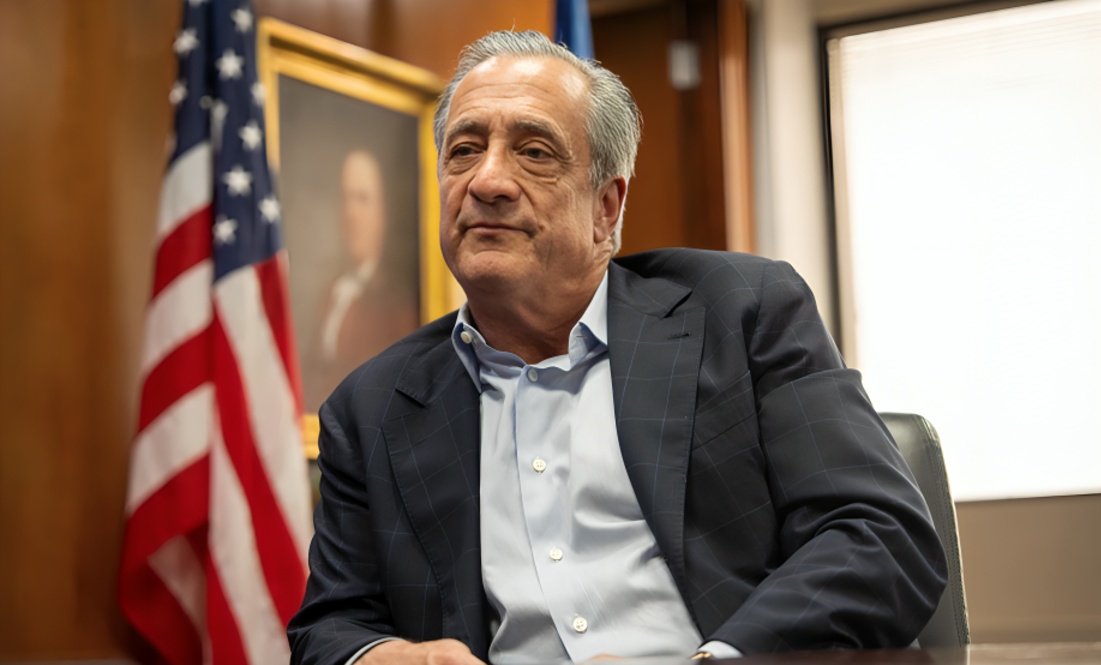
The United States Postal Service has stopped work on a computer system that was being developed to support new federal requirements for mail in voting under President Donald Trump’s executive order, Postmaster General David Steiner said on September 17, 2026.
The development comes after the US Supreme Court rejected the Trump administration’s request to put the mail ballot restrictions into effect for the 2026 midterm elections. Following the court action, USPS decided not to continue implementing the new requirements for this year’s federal election.
Steiner confirmed the decision in an interview with the Associated Press. He said the Postal Service was no longer working on the system because a court injunction was in place. The system had been designed to process information related to voters requesting mail ballots and was a central part of the administration’s proposed changes to the handling of election mail.
Trump’s executive order, issued earlier in 2026, directed federal agencies to establish new procedures concerning mail in voting. One part of the plan involved the Postal Service receiving voter information from states through an online system. The proposed process would have been connected to standardized mail ballot envelopes containing specific barcodes.
Under the proposed rules, states would have been required to submit information about voters requesting mail ballots. The Postal Service would then use the information in its system when processing election mail. The administration argued that the changes were intended to strengthen election security and establish consistent procedures for handling mail ballots.
The proposed system became the subject of legal challenges from states, election officials and voting rights organizations. Opponents argued that the federal government was attempting to impose new requirements on election administration and that the Postal Service did not have sufficient legal authority to establish the system.
The dispute reached the US Supreme Court as the 2026 midterm elections approached. With some states already preparing or beginning to send mail ballots to voters, the timing of the legal proceedings became an important issue.
The Supreme Court ultimately rejected the administration’s request to allow the restrictions to take effect for the 2026 midterm election. As a result, USPS informed its employees that the new requirements would not be enforced during this year’s federal election.
A USPS memorandum obtained by the Associated Press stated that election mail would continue under established procedures. The agency said its focus would remain on delivering election-related mail safely and securely to voters and election officials.
The decision also means that the computer system developed specifically for the new federal requirements will not be used for the 2026 federal election. Steiner said that work on the system had stopped because of the court injunction.
The proposed system had attracted additional attention after a whistleblower raised concerns about the speed and development of the technology. The whistleblower alleged that the system was being developed under significant time pressure and could contain technical problems that might affect the processing of mail ballots.
According to the whistleblower’s disclosure, the proposed system included a portal for voter information and a barcode-based process for election envelopes. Concerns were raised that technical errors involving barcodes could potentially result in batches of ballots being returned to election officials.
Steiner acknowledged that the Postal Service had worked quickly to develop the system but defended the work carried out by the agency’s information technology staff. He described the project as a major technical undertaking and said he had confidence in the employees who worked on it.
The USPS has also emphasized that the new system will not be used to determine who is legally eligible to vote. Under the proposed framework, the agency would have processed information provided by election officials rather than independently determining voter eligibility.
The distinction is important because elections in the United States are primarily administered by individual states. Rules governing who may vote by mail vary between states, although all states provide some form of mail voting.
The legal dispute has therefore involved both election administration and the authority of the federal government and USPS to establish additional requirements for election mail.
The Supreme Court’s decision applies to the 2026 midterm elections. The broader legal questions surrounding federal authority over mail ballot procedures could continue to be considered in future litigation. Justice Brett Kavanaugh indicated that the court could potentially address related issues again in a future case.
For the 2026 federal election, however, USPS has stated that it will not enforce the new requirements connected to Trump’s executive order. The agency will instead continue using its established procedures for election mail.
Postmaster General David Steiner has also encouraged voters who use mail ballots to send their ballots early. He said mailing ballots approximately seven days before an election can help reduce the risk of delays affecting delivery.
USPS will continue to use barcode technology for mail processing in other contexts. Steiner said the Postal Service plans to encourage the use of barcodes on envelopes in future operations, although such use would not be mandatory under the blocked election rules.
The latest development brings a temporary halt to one of the most significant technological components of the Trump administration’s proposed changes to mail voting. The computer system will not be used for the 2026 federal election while the court injunction remains in effect.
The dispute nevertheless remains an important issue in the wider debate over election administration in the United States. Further court proceedings could determine how much authority the federal government and Postal Service have to establish additional requirements for mail ballots in future elections.
For now, the Postal Service says election mail for the 2026 federal election will continue under existing procedures. The agency has stopped work on the system designed specifically to implement the new requirements following the Supreme Court’s action.