
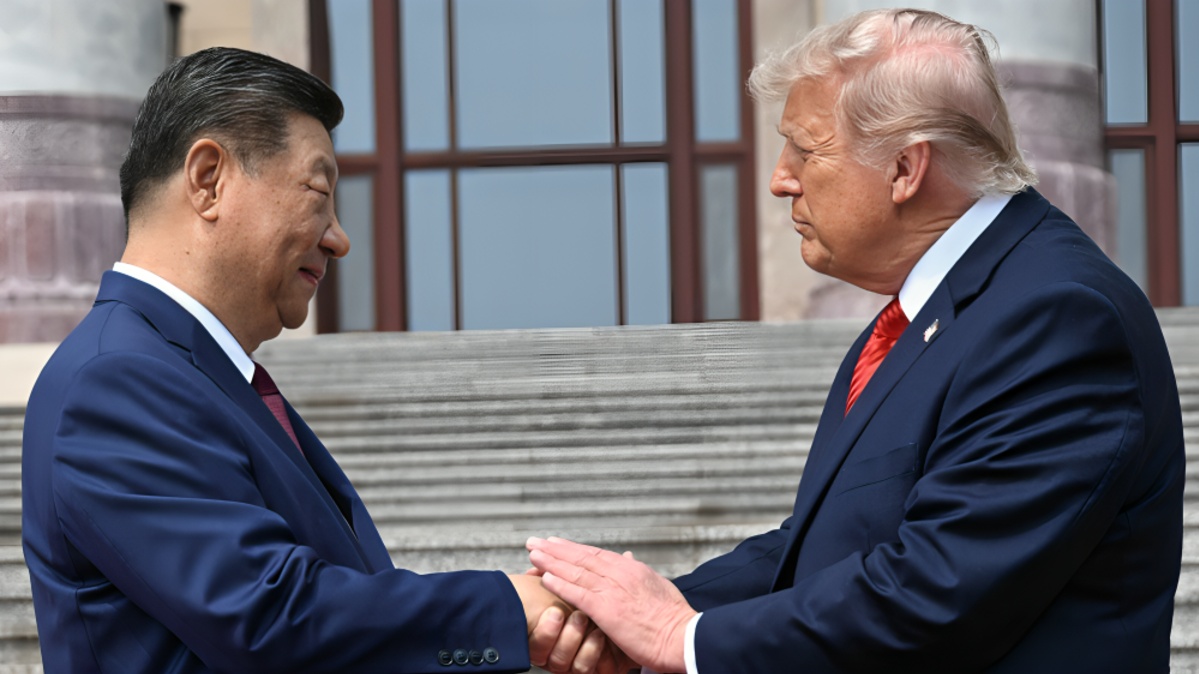
Chinese President Xi Jinping is scheduled to visit the United States from September 23 to 25 for talks with US President Donald Trump, marking another high level engagement between the leaders of the world’s two largest economies.
China’s Foreign Ministry confirmed that Xi will make the state visit at Trump’s invitation. According to Chinese officials, the two presidents will exchange views on major issues concerning China US relations as well as broader questions related to world peace and development. Beijing has described the reciprocal visits by the two leaders within a six month period as significant for bilateral relations.
The visit comes after Trump travelled to China in May 2026 for talks with Xi. The September meeting is therefore the latest effort by Washington and Beijing to maintain direct communication while managing several areas of disagreement.
Trade is expected to remain an important subject. The United States and China have been working to maintain a trade truce that followed earlier tariff tensions. Preparatory discussions between senior officials have focused on trade arrangements, including efforts to advance a Board of Trade mechanism covering certain non sensitive goods. Both countries continue to have differences over tariffs, agricultural purchases, critical minerals and technology restrictions.
Artificial intelligence is another issue receiving attention ahead of the presidential meeting. US Treasury Secretary Scott Bessent and Chinese Vice Premier He Lifeng were involved in preparatory discussions in New York. The two sides have agreed to work toward an AI dialogue mechanism, including communication relating to incidents that could raise national security concerns. However, significant differences remain over advanced technology and restrictions on sensitive technologies.
The geopolitical situation in the Middle East is also an important backdrop to the meeting. The ongoing conflict involving Iran has added another international issue to the wider diplomatic environment surrounding the Trump Xi talks. Reports indicate that China has been engaging diplomatically with Iran while expressing concern about further escalation and the spread of regional instability. The broader Iran conflict could therefore form part of discussions about international security and regional stability, although Beijing’s official announcement describes the agenda more broadly as major bilateral and global issues.
Taiwan is another longstanding source of disagreement between Washington and Beijing. Analysts following the summit have identified Taiwan, technology, critical minerals and trade as issues that could feature in the discussions. Beijing considers Taiwan a core sovereignty issue, while the United States maintains its own longstanding policy toward Taiwan and continues security cooperation with Taipei. Any discussion of these issues is expected to take place against the broader effort by both governments to prevent bilateral tensions from escalating.
The meeting also follows efforts by officials from both countries to establish what Beijing has called constructive strategic stability in the relationship. Chinese Foreign Ministry spokesperson Guo Jiakun said Beijing wants to strengthen dialogue and cooperation, properly manage differences and promote stability and prosperity.
For Washington and Beijing, maintaining communication is important because disagreements extend beyond trade. Technology competition, artificial intelligence, critical minerals, investment, Taiwan and broader geopolitical questions continue to affect the relationship.
The September 23 to 25 visit will also be closely watched because the two governments are attempting to build on the agreements and understandings reached during earlier meetings. The Associated Press reported that progress on several commitments has been uneven, including proposed agricultural purchases, Boeing aircraft purchases and the development of new economic mechanisms.
The Trump Xi meeting is scheduled to take place against a complicated international backdrop, with the Iran conflict and other global security issues competing for diplomatic attention. At the same time, the two leaders face the challenge of managing economic and technological competition between their countries.
China has officially framed the visit around discussions on bilateral relations and world peace and development. The United States and China are expected to continue negotiations on areas where cooperation is possible while addressing unresolved differences through direct diplomatic engagement.
The outcome of the discussions will be closely followed for indications about the future direction of US China relations, particularly in trade, technology, artificial intelligence and international security.