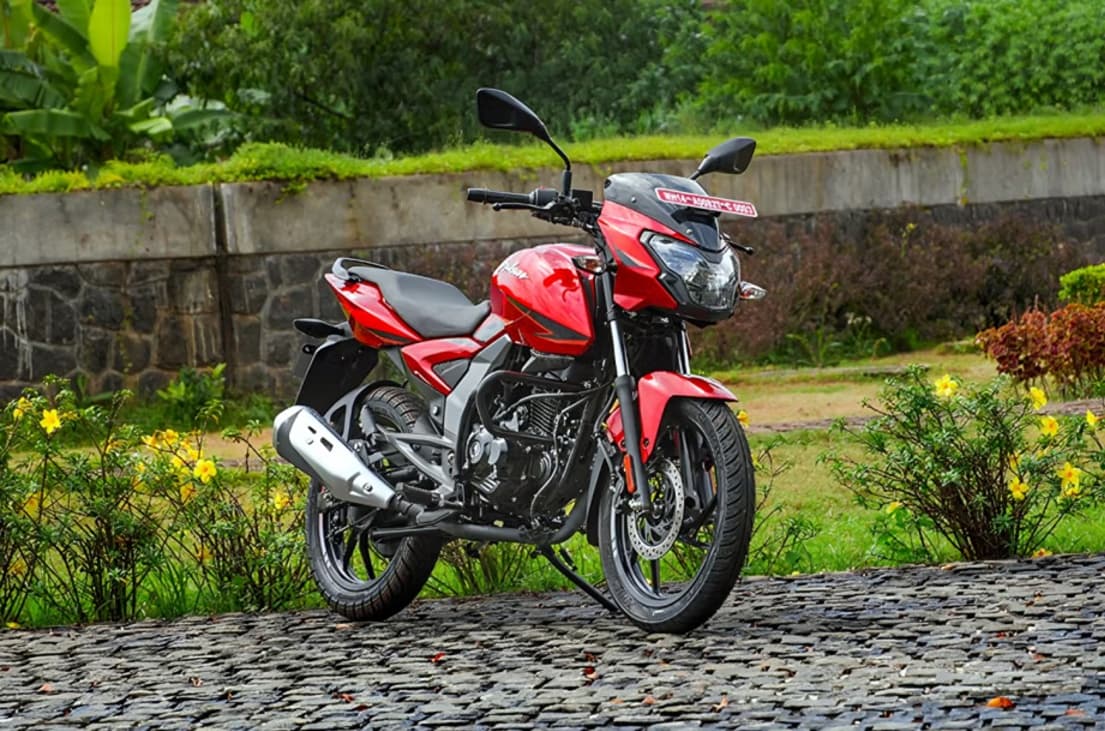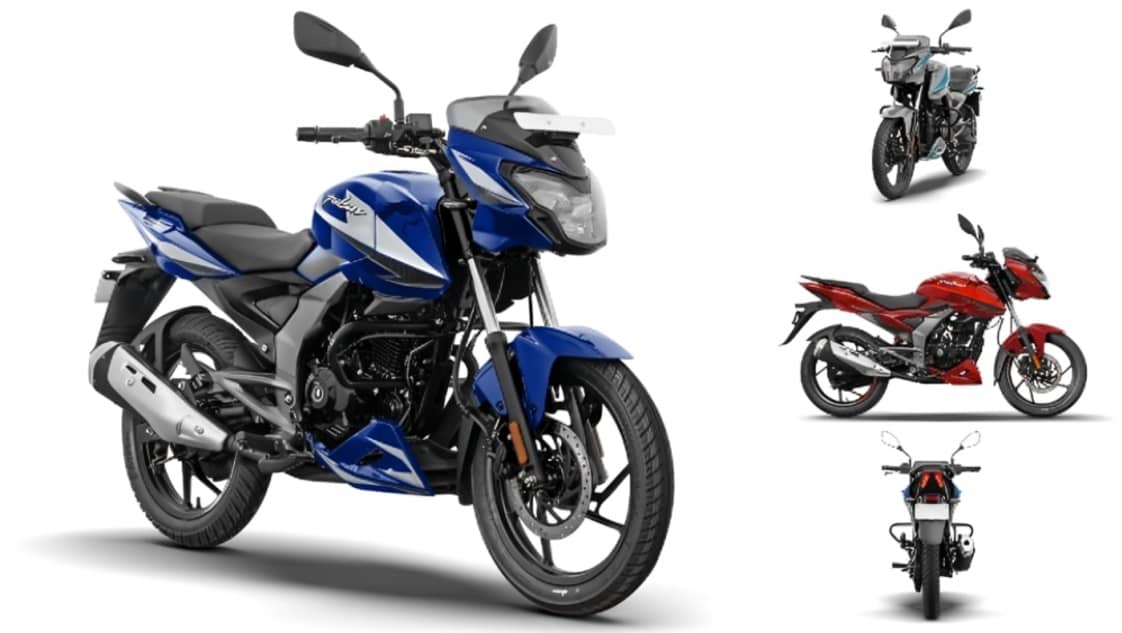
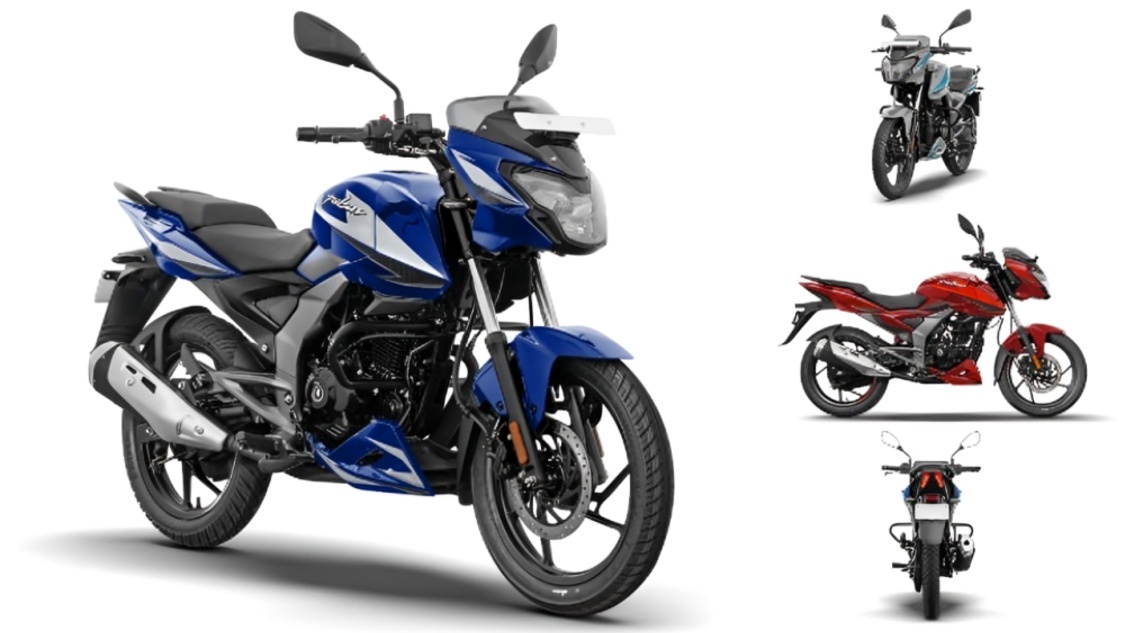
Bajaj Auto has launched the new generation Pulsar 125 and Pulsar 150 in India, bringing substantial changes to two of the company's longest running motorcycle names. The new models have received updates to their engines, chassis, suspension, styling and technology features. The Pulsar 125 starts at Rs 92,990, while the Pulsar 150 starts at Rs 1,15,233, with both prices quoted ex showroom.
The latest motorcycles are based on a new diamond type frame and use a telescopic front fork with a monoshock rear suspension. This represents an important mechanical change for both models, as the new rear suspension setup is designed to improve handling and ride comfort compared with the earlier arrangement.
The Pulsar 125 continues to use a single cylinder petrol engine, while the Pulsar 150 gets a 149.5cc single cylinder unit. Reports indicate that the new Pulsar 125 produces around 11.7 bhp, while the Pulsar 150 produces approximately 13.8 bhp. Both motorcycles are paired with five speed gearboxes.
The Pulsar 150 also receives an oil cooling system as part of its mechanical update. Bajaj has focused on improving low speed torque delivery and overall refinement while retaining the sporty character associated with the Pulsar name.
One of the biggest changes across the new range is the introduction of modern connected technology. Higher variants of both motorcycles receive a 5 inch TFT instrument display. Depending on the variant, the system supports Bluetooth connectivity, navigation and smartphone screen mirroring.
Google Maps navigation is one of the more notable additions because it brings integrated navigation capability to a motorcycle in the traditional 125cc and 150cc commuter segment. The connected display can provide riders with navigation information without requiring a separate phone mount for basic route guidance.
Selected variants also receive three riding modes. The modes are designed to provide different throttle and riding characteristics depending on conditions. This gives riders more flexibility when using the motorcycles for city commuting, wet roads or more responsive riding.
Another new feature is Crawl Tech, which is designed to make low speed manoeuvring easier. This could be useful in congested urban traffic where riders frequently need precise throttle control at very low speeds.
The new Pulsar motorcycles also receive an idle start and stop system on higher versions. The technology can switch off the engine during suitable conditions when the motorcycle is stationary and restart it when required, with the objective of improving fuel efficiency during frequent stops.
Bajaj has also updated the lighting system. The new motorcycles feature LED headlamps, while higher variants receive LED indicators and hazard lights. The design retains the familiar Pulsar identity but introduces a revised front section, updated body panels and other styling changes.
The Pulsar 125 range is available in different equipment levels. The entry version offers a coloured LCD instrument display and key mechanical upgrades, while higher variants receive the TFT console and additional technology. This allows Bajaj to offer different price points within the same motorcycle family
The Pulsar 150 also follows a variant based equipment strategy. The Single Disc version provides the core mechanical and technology updates, while the Twin Disc versions add equipment such as the TFT display, navigation, connected functions and a rear disc brake.
The new range also gets a USB Type C charging port on selected variants. This feature reflects the growing demand for smartphone charging capability among motorcycle buyers, particularly those who use their phones for navigation and communication during daily rides.
The launch comes as Bajaj celebrates 25 years of the Pulsar brand. The Pulsar name has played an important role in the company's performance motorcycle business and has been used across a wide range of engine capacities over the years.
The updated Pulsar 125 is positioned against other popular 125cc motorcycles, including models from TVS and Hero MotoCorp. The Pulsar 150 continues to compete in the 150cc motorcycle segment, where buyers increasingly expect a combination of performance, fuel efficiency and modern technology.
The new models are therefore not simply cosmetic updates. Bajaj has changed the underlying platform, suspension arrangement and engine technology while adding connected features that were previously associated with more expensive motorcycles.
For buyers, the main difference between variants will be the equipment available at each price point. Customers looking for a straightforward motorcycle can consider the lower variants, while riders seeking navigation, TFT instrumentation and additional electronic features will need to choose higher versions.
Bajaj has priced the new Pulsar 125 from Rs 92,990 and the Pulsar 150 from Rs 1,15,233, both ex showroom. The final on road price will vary depending on the city, registration costs, insurance and other applicable charges.
With new engines, monoshock suspension, connected instrumentation and multiple riding modes, the 2026 Pulsar 125 and Pulsar 150 represent one of the most significant updates to these two models in recent years.
The launch also demonstrates how technology is moving further into the commuter motorcycle segment. Features such as TFT displays, navigation, smartphone connectivity and riding modes are increasingly becoming available on motorcycles aimed at everyday Indian riders.
For customers considering a new 125cc or 150cc motorcycle, the revised Pulsar range now offers a broader combination of traditional commuter practicality and modern connected technology. Bajaj is expected to maintain a strong focus on the Pulsar family's established performance oriented identity while expanding its appeal to technology focused buyers.