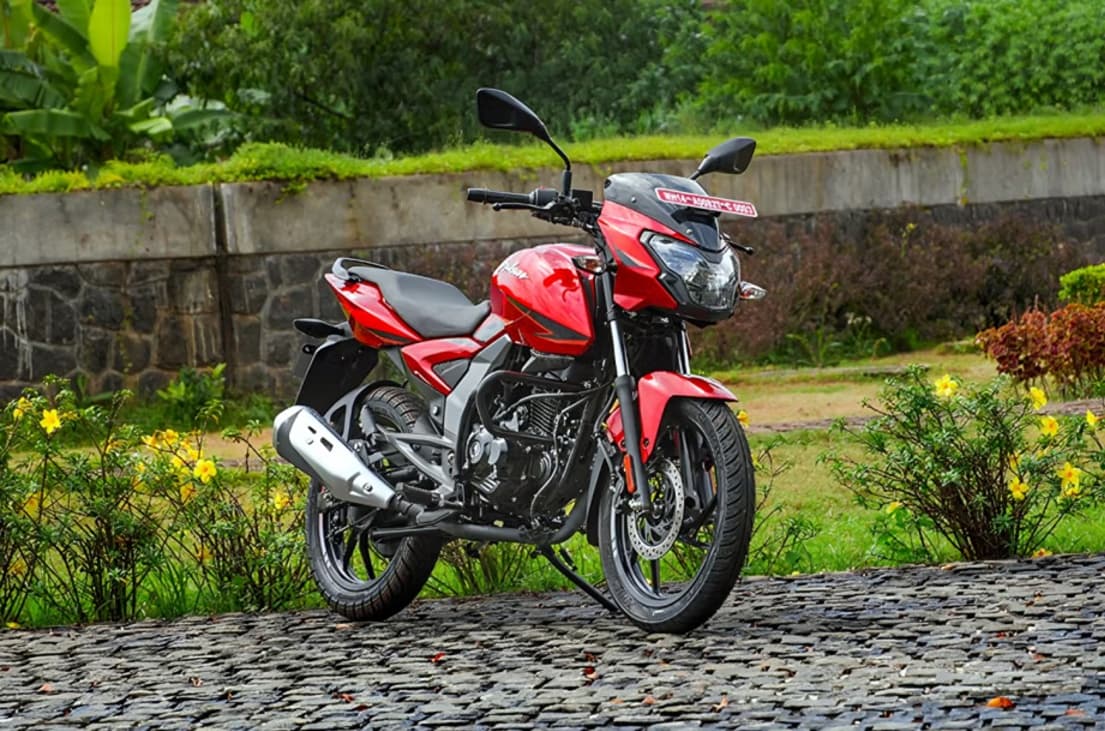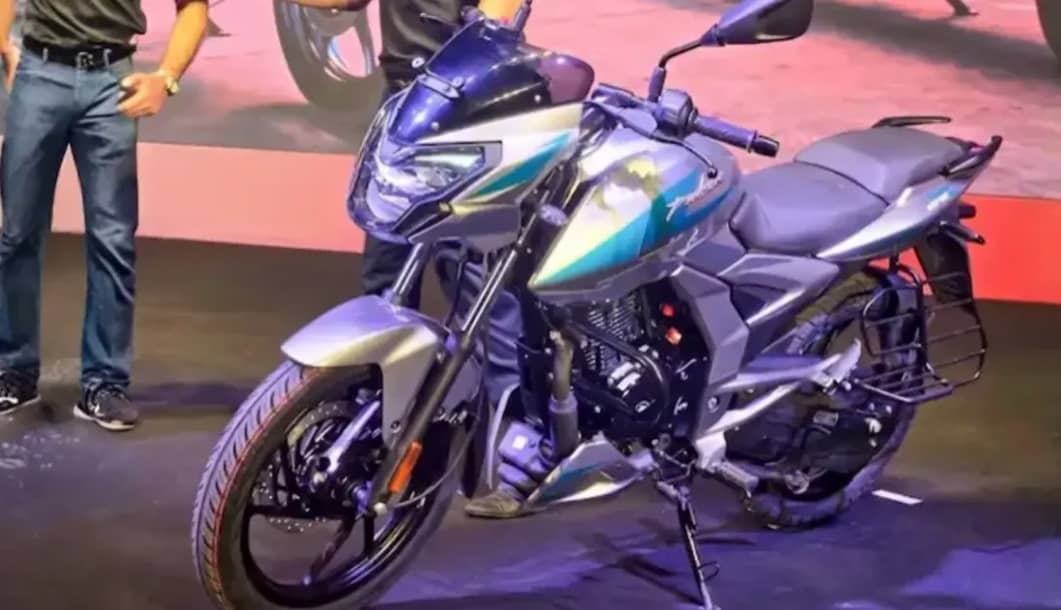
Bajaj Auto has given the Pulsar 125 one of its most substantial updates since the motorcycle entered the Indian market. The 2026 generation model is not simply a styling refresh. It receives changes to the engine, chassis, suspension, braking system, instrumentation and connected technology.
The new Pulsar 125 has been introduced as part of Bajaj Pulsar's 25th anniversary celebrations and is positioned as a more premium 125cc motorcycle. The introductory price starts at around Rs 92,900 ex showroom, while the outgoing Pulsar 125 started at approximately Rs 81,556.
New Engine
One of the most important changes is the new 124.58cc engine. It produces 12.1 bhp at 8,500 rpm and 11.4 Nm of torque at 6,500 rpm.
The outgoing Pulsar 125 used a 124.38cc engine that produced around 11.8 bhp and 10.8 Nm. This means the latest motorcycle gets a modest increase in both power and torque.
The new motorcycle continues to use a five speed gearbox. Bajaj has also worked on low speed performance and overall power delivery as part of the new generation package.
Major Chassis Change
The 2026 Pulsar 125 moves to a new diamond type frame. According to Bajaj, the revised chassis has been designed to provide greater stiffness and improve handling and stability.
This is a significant difference from the outgoing model because the new frame forms part of a broader mechanical redesign rather than being a minor update.
Monoshock Replaces Twin Shocks
Another major change is at the rear suspension.
The old Pulsar 125 used twin rear shock absorbers. The new generation model replaces this setup with a nitrogen gas charged monoshock.
The new monoshock has 110mm of travel, compared with the 102mm travel offered by the outgoing twin shock setup. Bajaj says the new arrangement is intended to improve handling, straight line stability and cornering behaviour.
The front suspension has also been revised. The new motorcycle uses a 31mm telescopic fork with 125mm of travel, while the outgoing model used a 30mm unit with 135mm of travel.
Larger Front Disc Brake
Bajaj has also upgraded the front braking hardware.
The front disc has grown from 240mm on the outgoing Pulsar 125 to 260mm on the new motorcycle. The rear continues to use a 130mm drum brake.
The motorcycle retains a Combined Braking System, which distributes braking force between the front and rear wheels.
New Digital Instrumentation
The biggest visible technology change is the instrument console.
Depending on the variant, the new Pulsar 125 is offered with either a 4.8 inch fully digital LCD display or a 5 inch TFT display.
The top variants with the TFT console receive Bluetooth connectivity and additional connected features. These include turn by turn navigation, Google Maps mirroring, call and SMS alerts and music controls.
The TFT console can also store important vehicle documents such as registration and insurance details, according to Bajaj.
This represents a major change from the outgoing model, which used a more basic analogue digital instrument cluster.
Ride Modes
The new Pulsar 125 also introduces three riding modes.
The modes are Road, Rain and Sport. These settings are intended to provide different riding characteristics depending on road and weather conditions.
The addition of selectable riding modes is notable in the 125cc motorcycle segment, particularly because the Pulsar 125 was previously positioned as a relatively straightforward commuter motorcycle.
Crawl Tech
Bajaj has also introduced Crawl Tech on the new Pulsar range.
The feature is designed to provide additional control at very low speeds, particularly in slow moving traffic. This could be useful for riders who frequently deal with congested urban roads.
Updated Lighting
The new Pulsar 125 gets an LED headlamp with a pilot lamp and an LED tail lamp.
The redesigned lighting is accompanied by sharper bodywork and a more modern front-end appearance. Depending on the variant, buyers can also get features such as hazard lights and a belly pan.
The overall silhouette continues to retain the familiar Pulsar identity, but the tank extensions and front section have been redesigned.
Price Difference
Price is another important difference between the two generations.
The new Pulsar 125 starts at around Rs 92,900 ex showroom for the entry level version. The range extends to approximately Rs 1.04 lakh for the top split seat variant with TFT and connected features.
The outgoing Pulsar 125 started at approximately Rs 81,556.
This means the new generation carries a significant premium over the previous model. However, the price difference also reflects the additional equipment and mechanical changes.
New Pulsar 125 Variant Range
The 2026 Pulsar 125 is available in multiple configurations.
The reported Delhi ex showroom prices include approximately Rs 92,900 for the single seat LCD version, Rs 94,518 for the split seat LCD version, Rs 99,291 for the single seat TFT version, Rs 1,00,288 for the split seat TFT version and Rs 1,04,318 for the split seat TFT version with connected features.
Prices can vary depending on location and may change after the introductory period.
What Has Not Changed
Despite the extensive updates, Bajaj has retained the core identity of the Pulsar 125.
The motorcycle continues to use a 125cc petrol engine and five speed transmission. It remains positioned below the Pulsar 150 in Bajaj's motorcycle range.
The overall design also retains the recognizable Pulsar character, although the latest version has sharper styling and updated lighting.
New Pulsar 125 vs Old Pulsar 125
The major differences can be summarised as follows.
| FeatureNew Pulsar 125Old Pulsar 125 | ||
| Engine | 124.58cc | 124.38cc |
| Power | 12.1 bhp | 11.8 bhp |
| Torque | 11.4 Nm | 10.8 Nm |
| Rear suspension | Monoshock | Twin shocks |
| Instrument cluster | LCD or 5 inch TFT | Analogue digital |
| Ride modes | Road, Rain and Sport | Not available |
| Connectivity | Available on higher variants | Limited |
| Front disc | 260mm | 240mm |
| Gearbox | 5 speed | 5 speed |
| Starting price | About Rs 92,900 | About Rs 81,556 |
The comparison shows that Bajaj has focused on both hardware and technology rather than making only cosmetic changes.
Is the New Pulsar 125 a Major Upgrade
Compared with the outgoing motorcycle, the new Pulsar 125 represents a substantial generational change.
The new engine provides slightly higher output, while the monoshock and revised frame are intended to improve the riding experience. The larger front disc also strengthens the braking package.
On the technology side, the 5 inch TFT display, smartphone connectivity, navigation, ride modes and Crawl Tech make the motorcycle considerably more feature rich than its predecessor.
Competition
The new Pulsar 125 continues to compete in one of India's most competitive motorcycle categories.
Rivals include the TVS Raider 125, Honda SP 125 and Hero Glamour X 125. The addition of connected technology, ride modes and a TFT display gives the new Pulsar 125 a stronger equipment package in this segment.
The final choice for buyers will depend on factors such as price, performance, mileage, comfort, technology and after sales support.
Final Takeaway
The 2026 Bajaj Pulsar 125 is a much more comprehensive update than the previous model. Bajaj has introduced a new engine, new frame, monoshock rear suspension, larger front disc brake, digital displays, connected features and three riding modes.
The biggest difference is that the Pulsar 125 has moved from being primarily a conventional 125cc motorcycle towards a more technology focused offering.
However, buyers will have to pay more for the additional equipment. With prices starting at around Rs 92,900 compared with approximately Rs 81,556 for the outgoing model, the new motorcycle commands a noticeable premium.
For riders who prioritise modern features, improved hardware and connected technology, the new Pulsar 125 offers considerably more than the outgoing model. Those primarily looking for a basic and affordable 125cc motorcycle may find the older model's lower price more appealing.