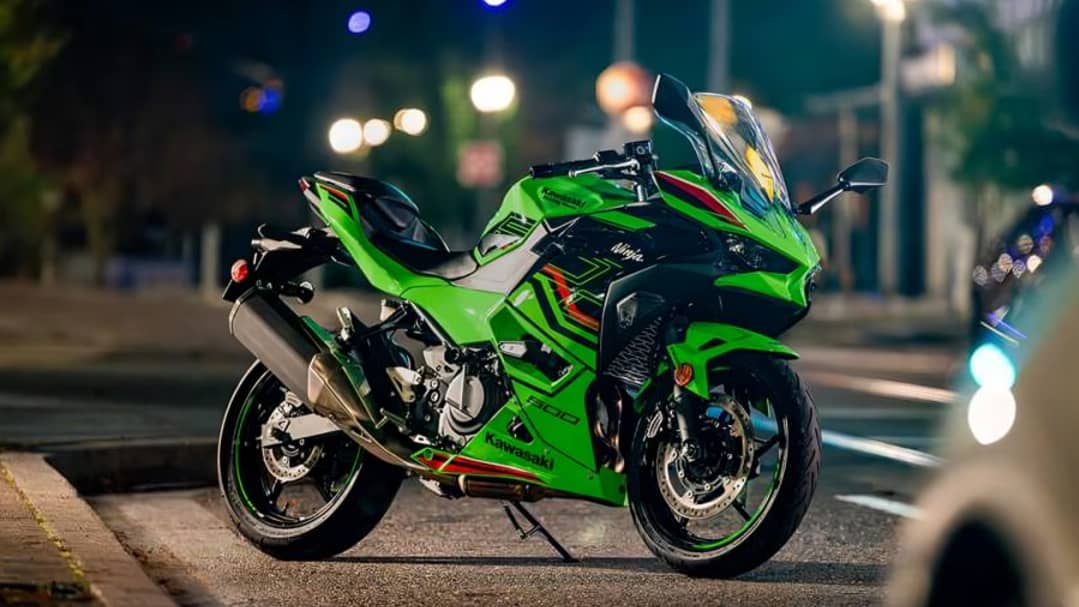
Kawasaki is reportedly considering the discontinuation of two motorcycles from its Indian portfolio, the Ninja 500 and the Eliminator, as the company adapts to evolving regulatory requirements in the country. Industry reports suggest that both models may not meet the latest E20 fuel compatibility norms, which have become increasingly important for vehicle manufacturers operating in the Indian market.
The potential withdrawal highlights the growing impact of regulatory changes on the automotive and two-wheeler industries. India has been actively promoting the use of ethanol-blended fuels as part of a broader strategy aimed at reducing dependence on imported fossil fuels, improving energy security and lowering emissions. As a result, vehicle manufacturers are required to ensure that their products can operate efficiently on E20 fuel, which contains 20 percent ethanol blended with petrol.
The Kawasaki Ninja 500 and Eliminator are positioned in the premium motorcycle category and have attracted enthusiasts looking for performance, refinement and modern design. The Ninja 500 is known for its sport-oriented character, while the Eliminator caters to riders seeking a cruiser-style motorcycle with contemporary features and comfortable ergonomics.
According to industry speculation, the company may decide to remove these models from the Indian lineup if upgrading them to meet local fuel compatibility standards proves commercially unviable. However, Kawasaki has not yet issued an official announcement confirming the discontinuation of either motorcycle.
The implementation of E20 fuel norms has become a major consideration for vehicle manufacturers across India. Automakers and motorcycle brands have been revising engines, fuel systems and related components to ensure compatibility with higher ethanol content. Vehicles that do not meet the required standards may face challenges in remaining available in the market under current regulations.
Experts note that ethanol can affect certain engine and fuel system components if they are not specifically designed for higher blends. Consequently, manufacturers must undertake engineering modifications and testing to certify vehicles for E20 compatibility. These updates often require additional investment and development resources.
The Indian government's ethanol blending program has gained momentum in recent years, encouraging manufacturers to introduce products that align with national fuel policies. Many companies have already updated their existing models or launched new vehicles designed to support ethanol-blended fuels.
For Kawasaki, the potential discontinuation of the Ninja 500 and Eliminator may represent a strategic decision to focus on models that are fully compliant with current regulations. Manufacturers frequently review their product portfolios to ensure that investments are aligned with market demand, regulatory requirements and long-term business objectives.
The premium motorcycle segment in India continues to evolve, with customers increasingly seeking advanced technology, performance and regulatory compliance. Buyers today are more aware of environmental standards and fuel compatibility requirements than ever before, making compliance an important factor in purchasing decisions.
Industry analysts believe that if the Ninja 500 and Eliminator are withdrawn, Kawasaki may eventually introduce updated versions or alternative models that meet E20 standards. Such a move would allow the company to maintain its presence in the segment while complying with regulatory expectations.
The development also reflects broader trends in the Indian automotive market, where manufacturers are adapting to changing emission standards, alternative fuel initiatives and sustainability-focused policies. Regulatory compliance is becoming an increasingly important aspect of product planning and market strategy.
Until an official statement is released, the future of the Ninja 500 and Eliminator in India remains uncertain. Enthusiasts and potential buyers are likely to closely monitor announcements from Kawasaki regarding the status of these motorcycles and any possible replacements.
As the industry continues its transition toward cleaner and more sustainable mobility solutions, compliance with fuel and emission regulations will remain a key factor influencing product availability and manufacturer decisions across all vehicle categories.