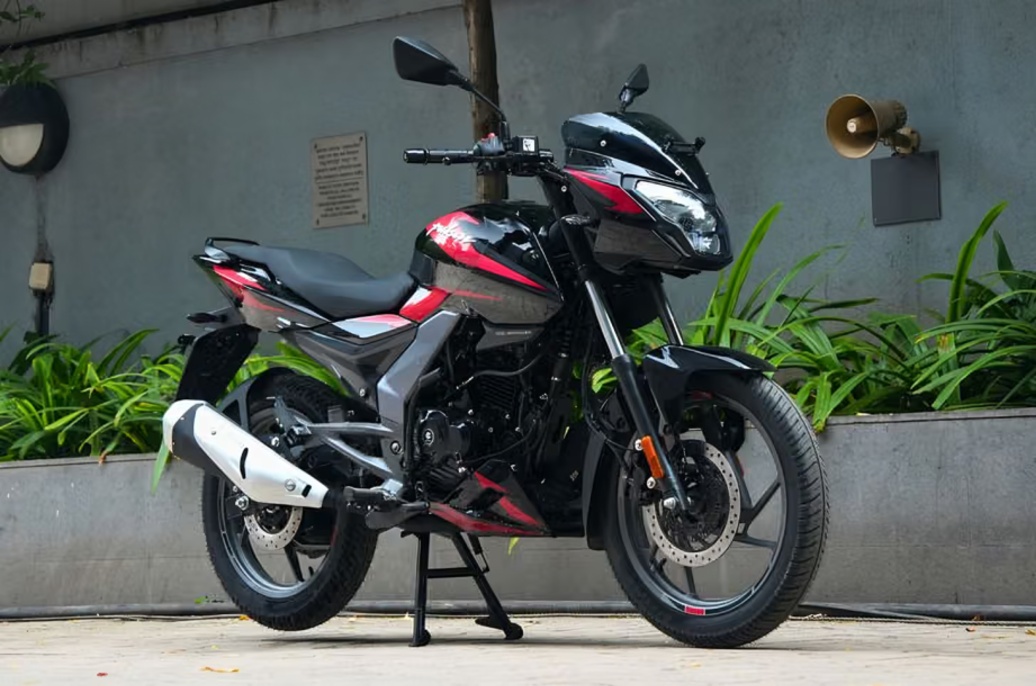
Bajaj Auto has launched the new generation Pulsar 150 in India, bringing significant mechanical, design and technology upgrades to one of the company's most recognisable motorcycles. The new model has been introduced as part of the Pulsar brand's 25th anniversary celebrations, with prices starting at Rs 1,15,233 ex showroom in Delhi. The range goes up to Rs 1,23,187 for the top specification variant.
The latest Pulsar 150 is available in Single Disc and Twin Disc variants. The Single Disc version with a single seat is priced at Rs 1,15,233, while the Twin Disc single seat version costs Rs 1,22,184. The range topping Twin Disc split seat version is priced at Rs 1,23,187. These prices are ex showroom Delhi.
The motorcycle has received a substantial mechanical overhaul. It uses a new 149.5cc engine along with a revised gearbox and an all new diamond type frame. Bajaj has also replaced the earlier twin shock rear suspension arrangement with a monoshock setup. The company says the changes are intended to improve the motorcycle's ride, handling and overall performance.
The new engine produces 14 PS of maximum power at 8,500 rpm and 14.1 Nm of peak torque. This represents an increase in torque compared with the outgoing model. The engine is paired with a revised gearbox designed to provide smoother performance and improved usability in everyday riding conditions.
One of the most significant additions is the introduction of three riding modes. The new Pulsar 150 gets Road, Rain and Sport modes. Bajaj says the riding modes are designed to adapt the motorcycle's response to different riding conditions. The feature gives riders additional control compared with the previous generation model.
Another new technology feature is Crawl Tech, which is intended to make very low speed riding easier. This could be particularly useful when riding through congested city traffic, where maintaining smooth control at low speeds can be difficult.
The motorcycle also gets an Intelligent Start Generator on the higher variants. The system is designed to provide smoother and quieter engine starts and is also linked to the motorcycle's automatic start stop functionality. This feature is aimed at improving convenience and efficiency during everyday use.
The instrument console has also received a major upgrade. The entry level Single Disc version gets a colour LCD instrument cluster, while the higher Twin Disc variants are equipped with a 5 inch TFT display. The TFT unit offers Bluetooth connectivity, Google Maps navigation and smartphone mirroring, bringing connected technology to the Pulsar 150.
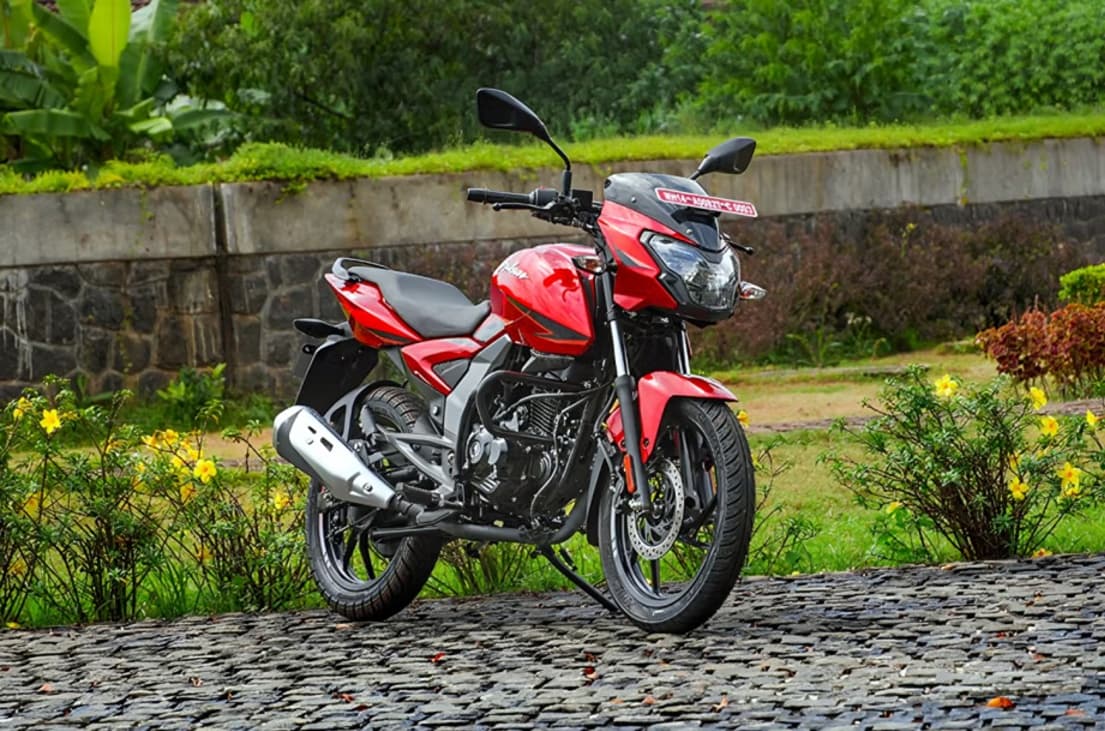
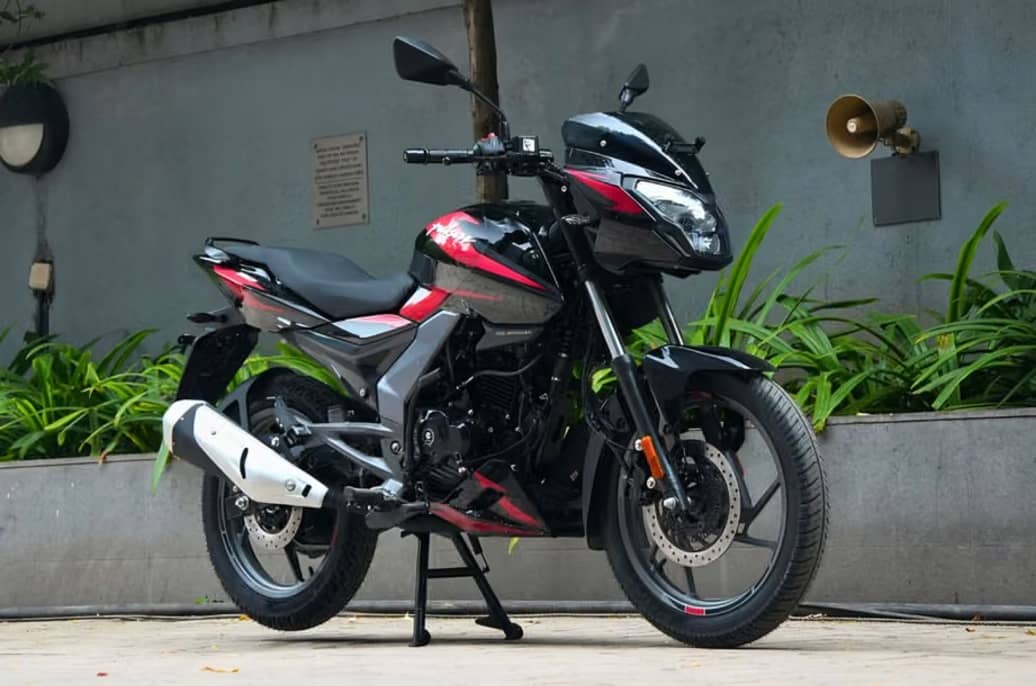
The new motorcycle also receives refreshed styling. Bajaj has redesigned the front section and introduced a new Wolf Eye LED headlamp with integrated daytime running lights. LED indicators and hazard lamps are also available on higher variants. The overall design retains the familiar Pulsar silhouette while introducing sharper and more contemporary details.
The move to monoshock rear suspension is another important change. The system replaces the twin shock absorbers used by the earlier model and is expected to provide a more modern chassis response. Bajaj had previously introduced monoshock technology on other members of the Pulsar family, and its addition to the new Pulsar 150 brings the motorcycle closer to the equipment levels of newer models in the segment.
The new Pulsar 150 also continues to target buyers looking for a balance between everyday practicality and sporty performance. Its 150cc engine category remains popular among Indian riders because it offers a combination of manageable running costs, usable performance and highway capability.
The pricing represents an increase over the outgoing Pulsar 150. The previous generation was priced at around Rs 1.11 lakh for the Single Disc version and around Rs 1.18 lakh for the Split Seat version, depending on the variant. The new motorcycle therefore commands a premium, but it also brings a significantly expanded list of features and mechanical changes.
The new Pulsar 150 is expected to compete in a crowded 150cc motorcycle market that includes models from manufacturers such as Honda, TVS and Yamaha. Bajaj's strategy is to differentiate the new motorcycle through its combination of performance, connected technology and multiple riding modes.
The addition of Google Maps navigation and smartphone mirroring is particularly significant because connected features have traditionally been more common in larger or premium motorcycles. Bringing these technologies to the Pulsar 150 could make the motorcycle more attractive to younger buyers who expect smartphone integration from their vehicles.
The three riding modes also give the motorcycle a more technology focused character. Road mode is intended for regular riding, while Rain mode can be used when conditions are slippery and Sport mode is designed for a more responsive riding experience. The exact behaviour of each mode depends on the motorcycle's electronic calibration.
Bajaj has also retained the core styling identity that has made the Pulsar brand recognisable in India. Rather than completely redesigning the motorcycle, the company has modernised the design while maintaining visual links with earlier Pulsar models.
The launch also marks an important moment for the Pulsar name, which is celebrating 25 years in the market. The Pulsar range has played a major role in establishing Bajaj as a significant manufacturer in India's performance commuter and sporty motorcycle categories.
For buyers, the new Pulsar 150 offers a choice between simpler equipment on the Single Disc model and additional technology on the Twin Disc variants. Customers looking for a more traditional setup can choose the entry version, while buyers wanting connected features and a TFT display can move to the higher variants.
The new generation Pulsar 150 therefore represents a substantial update rather than a simple cosmetic refresh. Its new engine, new frame, monoshock rear suspension, three riding modes and connected TFT console significantly change the equipment and technology package.
With a starting price of Rs 1,15,233 and a top price of Rs 1,23,187 ex showroom Delhi, the motorcycle is positioned in the premium part of the 150cc commuter sporty segment. Deliveries and availability may vary by city and dealership.
Bajaj Auto has now entered the next phase of the Pulsar 150's evolution, combining the familiar brand identity with newer technology and revised mechanical components. The model is expected to remain an important product for Bajaj in India's highly competitive 150cc motorcycle market.