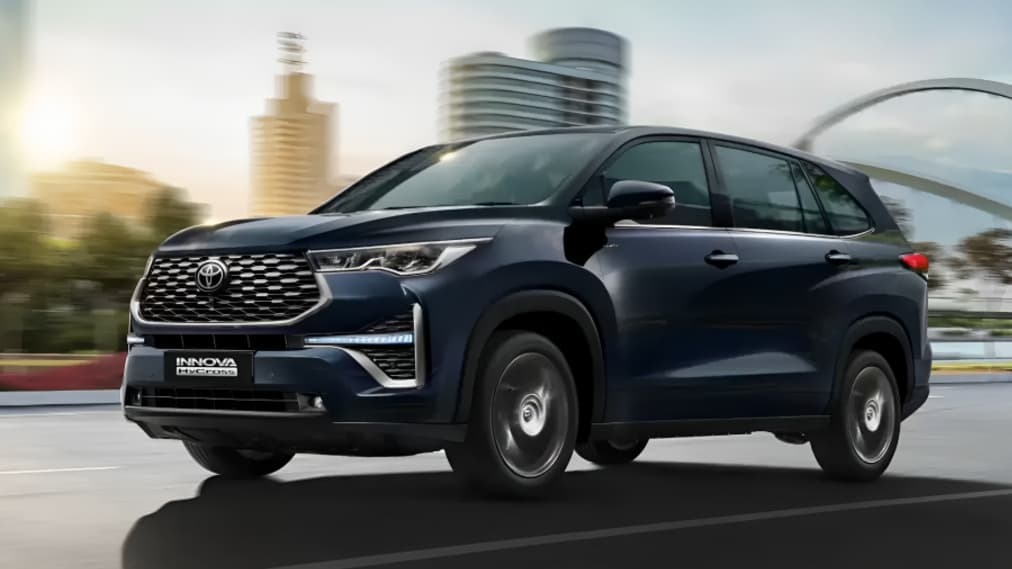
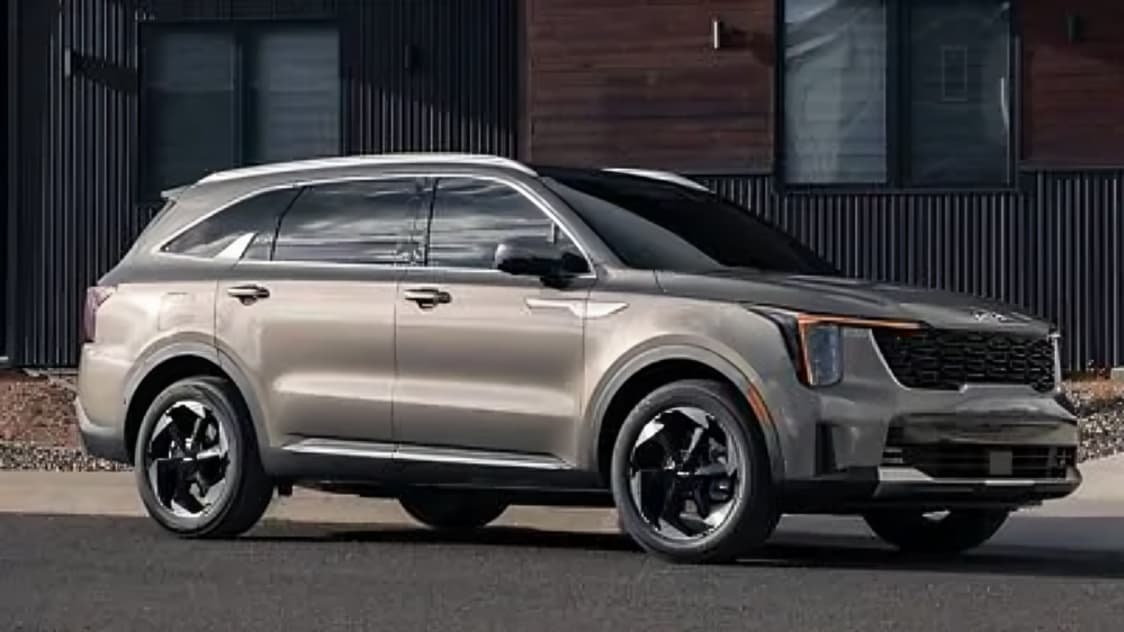
Car depreciation is an inevitable process where a vehicle loses value over time due to age, mileage, wear and tear, and market demand. On average, a car loses around 15-30% of its value in the first year and up to 50% within five years. Factors such as brand reputation, maintenance, and model popularity influence depreciation rates. To minimize depreciation, regular servicing, keeping mileage low, and choosing models with high resale value can help. Understanding depreciation helps buyers and sellers make smarter financial decisions regarding car purchases, trade-ins, and insurance coverag
Car depreciation is the decline in a vehicle’s value over time due to various factors such as age, mileage, wear and tear, and market trends. It plays a crucial role in determining the resale value of a car, making it an essential consideration for both buyers and sellers. Understanding how depreciation works can help car owners make informed financial decisions, whether they are purchasing a new vehicle, trading in their existing car, or planning long-term ownership.
How Car Depreciation Works
The moment a new car is driven off the dealership lot, it starts losing value. Typically, a car depreciates by about 15-30% in the first year and around 50% within five years. However, the depreciation rate varies depending on factors such as brand reputation, demand for a particular model, maintenance history, and fuel efficiency. Luxury cars and models with high maintenance costs often depreciate faster than budget-friendly, fuel-efficient cars with strong resale demand.
Factors Affecting Car Depreciation
Several key factors influence the depreciation rate of a vehicle:
- Brand and Model: Well-established brands with high demand tend to have lower depreciation rates compared to less popular brands.
- Mileage: Higher mileage reduces a car’s value, as excessive usage leads to greater wear and tear.
- Condition: Cars that are well-maintained, accident-free, and in good condition retain their value better.
- Market Demand: Vehicles that are popular among buyers, especially fuel-efficient and compact models, have a slower depreciation rate.
- Technology and Features: Older cars with outdated technology depreciate faster as buyers prefer modern features.
- Fuel Efficiency: With rising fuel prices, fuel-efficient cars hold their value better than gas-guzzlers.
- Service History: A well-documented service history can help maintain a car’s value, as it assures buyers of proper maintenance.
How to Calculate Car Depreciation
Car depreciation is generally calculated using a percentage reduction method, where the value decreases annually. One common formula used to estimate depreciation is:
Depreciation = (Initial Purchase Price - Current Market Value) / Initial Purchase Price × 100
For example, if a car was purchased for ₹10,00,000 and its value after three years is ₹6,00,000, the depreciation rate would be:
(10,00,000 - 6,00,000) / 10,00,000 × 100 = 40% depreciation over three years
Ways to Minimize Car Depreciation
While depreciation is inevitable, there are steps car owners can take to slow down the process and maximize resale value:
- Choose a Resale-Friendly Car: Before purchasing, research vehicles with strong resale value and low depreciation rates.
- Maintain Your Car Well: Regular servicing, oil changes, and timely repairs help preserve vehicle condition and value.
- Keep Mileage Low: Limiting unnecessary driving can help retain your car’s value over time.
- Avoid Major Modifications: Custom paint jobs, body kits, and aftermarket modifications may reduce resale value.
- Buy Used or Certified Pre-Owned Cars: Buying a used car that has already undergone major depreciation can save money in the long run.
- Sell at the Right Time: Selling before major model upgrades or market shifts can help get a better resale price.
Conclusion
Understanding car depreciation helps vehicle owners make smart financial decisions, whether buying, selling, or maintaining their cars. By choosing the right model, maintaining the vehicle well, and keeping track of market trends, car owners can reduce the impact of depreciation and maximize the value of their investment.