As road safety continues to be a major concern globally, researchers and automobile designers are now paying close attention to how even small changes in car design could have a significant impact on accident prevention. One such design change that has drawn wide attention is the modification of the A-pillar, a structural component of every vehicle that can often create dangerous blind spots for drivers.
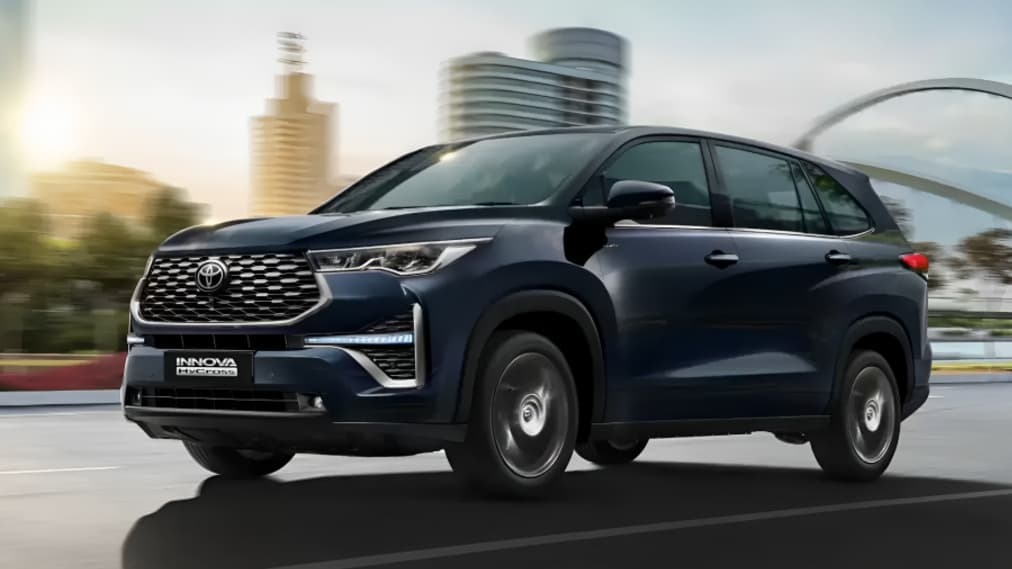
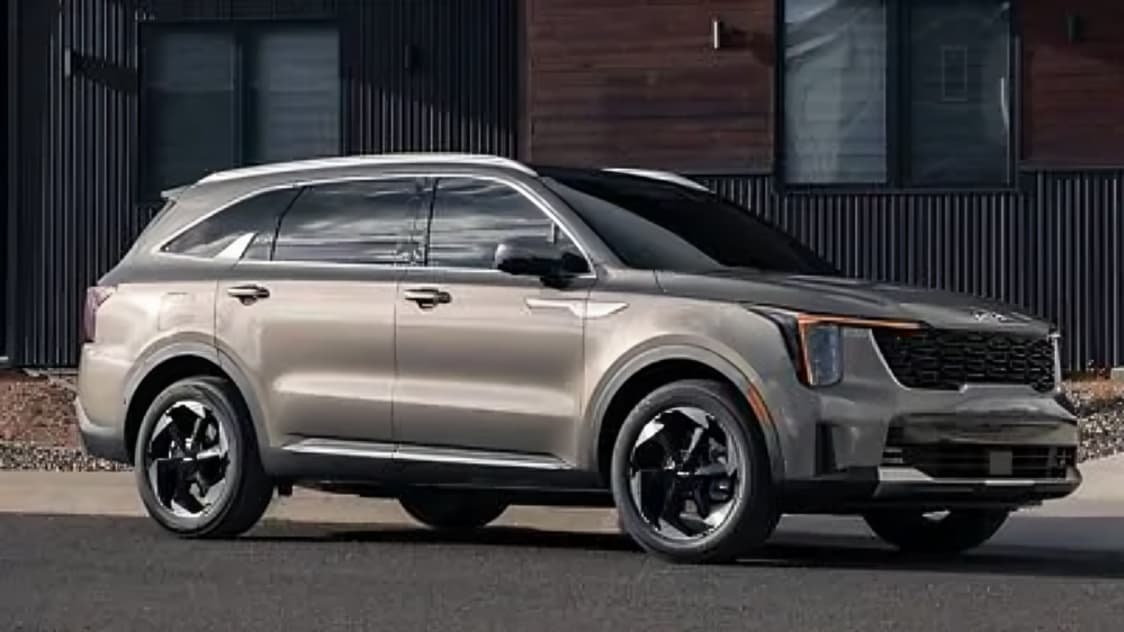
The A-pillar is the vertical support on either side of the windshield. While crucial for the structural integrity of the vehicle and the deployment of airbags, it can also block a driver’s view of pedestrians, cyclists, or smaller vehicles, especially at intersections or while taking sharp turns. This blind spot has been cited in numerous road accident reports across the world.
To counter this issue, automotive engineers are proposing solutions such as transparent A-pillars or the integration of screens and cameras that project real-time images of areas blocked from view. Transparent A-pillar technology uses materials like polycarbonate combined with embedded displays or fiber-optic technology to create the illusion of transparency, allowing drivers to see through the pillar without compromising safety.
This technology has already been prototyped by some leading automakers and researchers. Notably, a few concept vehicles have demonstrated the potential of this design change, and early testing shows a significant improvement in driver awareness and response time. Drivers can detect oncoming traffic or pedestrians much earlier, thereby reducing the likelihood of collisions.
Another proposed design adjustment involves the inclusion of augmented reality heads-up displays that alert drivers of potential threats in real time. These systems can overlay warnings and directional cues directly onto the windshield, minimizing distractions and helping the driver maintain focus on the road ahead.
The implications of such changes are significant, especially in densely populated countries like India where traffic density is high, and road infrastructure is often challenging. According to official data, India records one of the highest numbers of road fatalities in the world, and many of these accidents involve visibility issues or human error that could potentially be reduced with better vehicle design.
Automotive safety experts and consumer watchdogs are now urging both manufacturers and regulatory bodies to take a closer look at such innovations and consider including them in future safety standards. While such changes may slightly increase production costs, the potential benefits in terms of lives saved and injuries avoided are far more valuable.
As automakers around the world race to improve safety, comfort, and driver assistance features, it is clear that sometimes the most impactful solutions are not the most complex. A relatively simple design innovation could well be the key to preventing thousands of road accidents annually, making the roads safer for everyone.