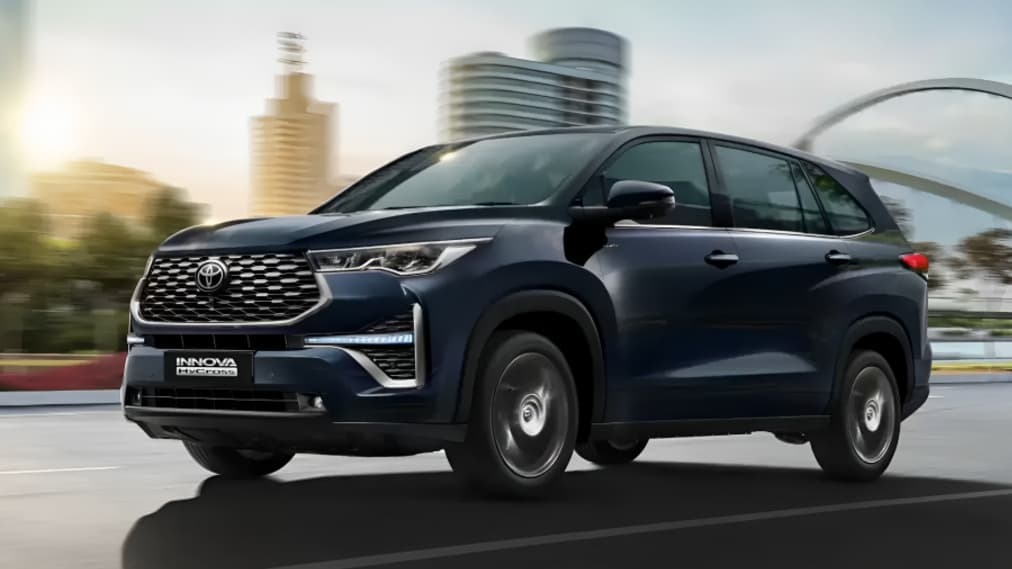
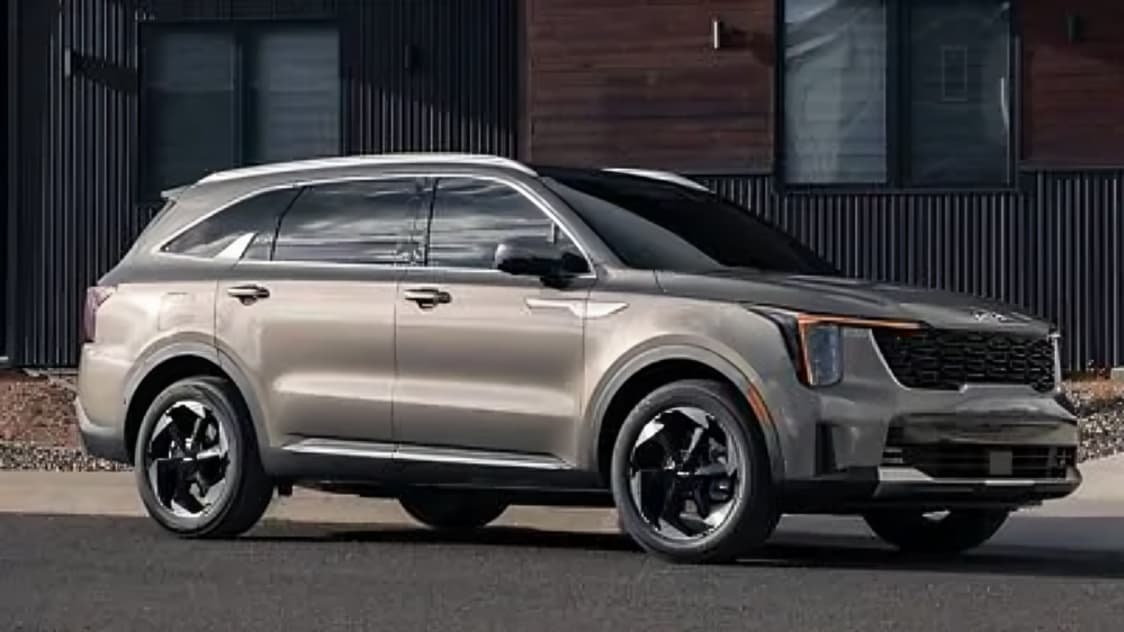
Customized car body kits have become a prominent trend in the automobile industry, allowing car owners to personalize the look and performance of their vehicles. From enhancing aerodynamics to creating a unique visual appeal, body kits have much to offer. However, while they provide aesthetic and functional upgrades, car owners must also consider important techniques for customization and understand the legal implications involved in modifying their vehicles.
Techniques for Customizing Car Body Kits
Car enthusiasts and modifiers use body kits for various reasons, including improving aerodynamics, reducing weight, and increasing the overall performance of their vehicle. The techniques involved in creating a customized body kit include:
- Material Selection:
Choosing the right materials for your body kit is essential for both performance and durability. Popular materials include fiberglass, carbon fiber, and urethane. Each material offers different benefits, such as weight reduction, flexibility, and strength. Carbon fiber, for example, is lightweight and enhances aerodynamics, while fiberglass is easier to mold and more cost-effective. - Aerodynamic Design:
Aerodynamics is one of the key reasons for adding body kits. By modifying components like the front bumper, side skirts, and spoilers, you can significantly improve your car’s airflow, reduce drag, and increase stability at high speeds. Whether you're aiming for a racing look or enhancing the vehicle’s handling, aerodynamically optimized body kits can be a game-changer. - Custom Fitment:
A customized body kit requires a precise fit to ensure that the modifications align perfectly with the vehicle's dimensions. This is achieved through cutting, molding, and adjustment techniques to adapt the kit to the specific make and model of the car. Expert installation is critical to ensure that the body kit does not interfere with the vehicle’s safety features or performance. - Finish and Paint:
After the body kit is fitted, applying the right paint finish is essential for a seamless look. Matte, gloss, and metallic finishes are common options, each providing a different aesthetic appeal. High-quality automotive paints and finishes are essential to prevent the kit from degrading due to weather conditions or UV exposure.
Legal Tips for Customized Car Body Kits in India
While customizing your car can be exciting, it's crucial to understand the legal aspects to avoid fines, penalties, or issues with road safety. Here are some essential legal tips to consider before installing a customized body kit:
- Compliance with Emission Standards:
In India, vehicles are required to comply with emission standards set by the Central Pollution Control Board (CPCB). Some modifications, especially those affecting the exhaust system, may violate these standards. Ensure that your modifications do not lead to increased emissions, or else they might not be street legal. - Modifications to Structure or Safety Features:
Modifying the structure of your vehicle, such as altering bumpers or chassis components, may impact the safety of the car. Any modification that compromises the safety features (such as airbags, crumple zones, etc.) could make the vehicle unroadworthy. Always ensure that any body kit installation maintains the integrity of the vehicle’s safety systems. - No Impact on Vehicle Registration:
Modifications should not result in any changes that would affect the vehicle registration. In India, it is necessary to inform the Regional Transport Office (RTO) of any major modifications, including body kits. If the body kit significantly alters the dimensions or structure of the vehicle, you may need to update the registration and get approval from the RTO. - Approval for Modified Parts:
Ensure that any parts used in your customized body kit are certified and approved by the relevant authorities. Some aftermarket parts may not be street legal if they do not meet Indian safety or quality standards. Using non-approved parts may result in fines or the rejection of insurance claims in case of an accident. - Insurance Implications:
Customized body kits may impact your car insurance coverage. Insurance companies may have specific clauses regarding modifications. It is advisable to inform your insurer about any modifications to ensure your policy remains valid. Additionally, some modifications may increase your insurance premiums due to the increased value of the vehicle. - Headlamp and Taillight Regulations:
Modifications to the vehicle’s lighting, including headlights and taillights, are regulated under Indian law. Ensure that the lighting modifications you make comply with the Indian Motor Vehicle Act and do not interfere with visibility or road safety.
Conclusion
Customizing a car with a body kit offers a unique way to enhance both the appearance and performance of your vehicle. However, it’s essential to approach the process with a clear understanding of the techniques involved and the legal implications. By ensuring compliance with safety regulations and consulting professionals, you can enjoy a beautifully customized car that is both stylish and roadworthy.
Whether you’re looking to boost performance, improve aerodynamics, or simply make a style statement, remember that attention to detail and legal compliance are key to successful car customization.