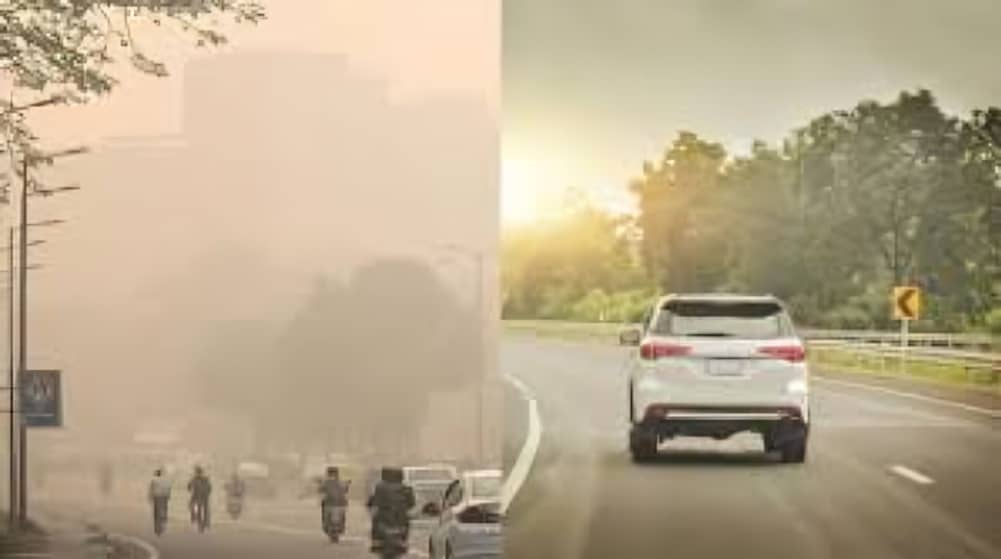

In a major step to combat rising air pollution, Delhi authorities have announced restrictions on the entry of non-BS-VI compliant vehicles into the national capital. The decision comes amid growing concerns over deteriorating air quality and increasing pressure from citizens, environmental organisations, and health experts to implement stronger pollution control measures.
Vehicular emissions remain one of the primary contributors to air pollution in Delhi, especially during winter months when weather conditions trap pollutants close to the ground. Bharat Stage VI emission norms, implemented nationwide in 2020, are designed to significantly reduce harmful emissions from vehicles. By restricting older, non-compliant vehicles, authorities aim to lower the overall pollution load in the city.
According to officials, the restriction will be enforced during periods of severe or critical air quality, particularly when air quality index levels cross hazardous thresholds. Traffic police and transport department teams will be responsible for monitoring compliance at entry points and within city limits. Violators may face penalties under existing pollution control and traffic regulations.
The move follows multiple petitions and public interest litigations seeking stronger action against polluting vehicles. Experts have long argued that older vehicles, especially diesel-powered ones that do not meet BS-VI standards, contribute disproportionately to particulate matter and nitrogen oxide emissions. Limiting their entry is expected to deliver immediate air quality benefits.
Government officials said the decision is part of a broader strategy that includes promoting public transport, encouraging electric vehicle adoption, and expanding emission monitoring systems. Delhi has already implemented measures such as vehicle scrappage policies, restrictions on diesel vehicles above a certain age, and incentives for cleaner mobility solutions.
Environmental experts have welcomed the announcement but stressed that consistent enforcement will be crucial for the policy’s success. They also emphasised the need for complementary measures, including better public transport connectivity, traffic decongestion, and awareness campaigns to reduce dependence on private vehicles.
While some transport operators and vehicle owners have expressed concerns about operational challenges, authorities maintain that public health considerations must take priority. Studies have repeatedly linked Delhi’s air pollution to respiratory illnesses, cardiovascular diseases, and reduced life expectancy.
The restriction on non-BS-VI vehicles signals a stronger commitment by authorities to tackle air pollution through regulatory action. As Delhi continues to grapple with poor air quality, the effectiveness of this measure will be closely watched by policymakers, environmentalists, and residents alike.