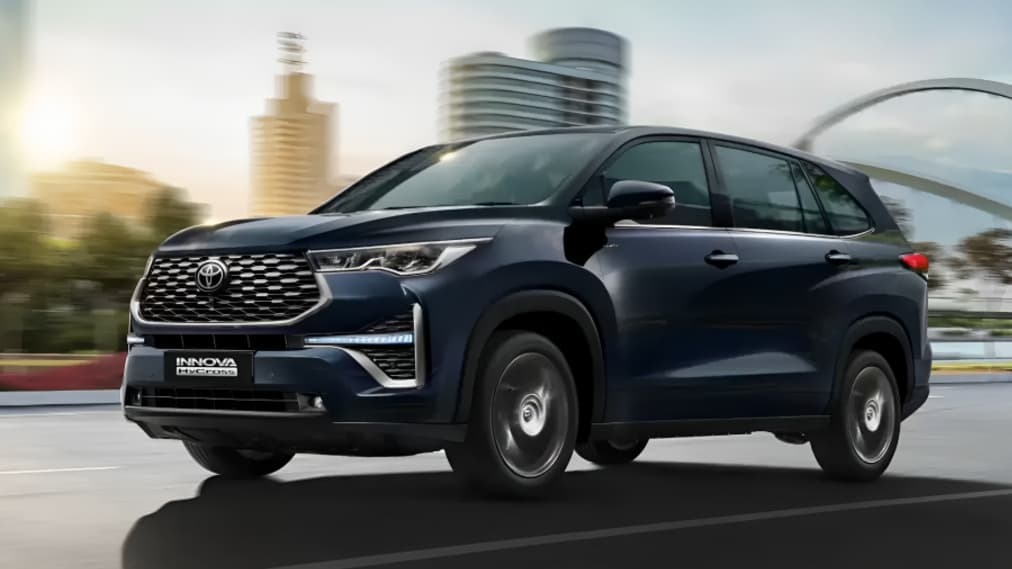
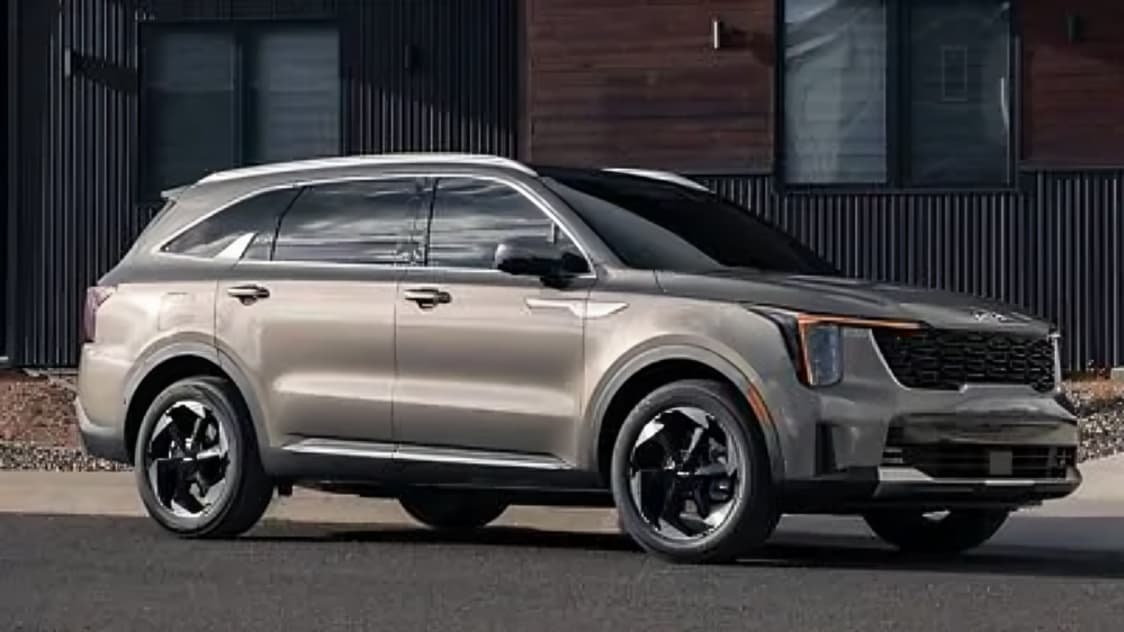
In a significant move towards sustainable transportation, the Delhi government has introduced a draft of its Electric Vehicle (EV) Policy 2.0. A key proposal within this draft is the extension of registration and road tax exemptions to strong hybrid electric vehicles (SHEVs) and plug-in hybrid electric vehicles (PHEVs) priced up to ₹20 lakh.
Currently, such tax benefits are exclusive to battery electric vehicles (BEVs). The proposed policy aims to incentivize the adoption of hybrid vehicles, recognizing their role in reducing emissions and bridging the gap between traditional internal combustion engine vehicles and fully electric vehicles.
The draft policy specifies that these exemptions will not apply to mild hybrid vehicles, focusing instead on SHEVs and PHEVs, which offer greater fuel efficiency and lower emissions. By reducing the upfront costs associated with vehicle registration and road tax, the policy seeks to make hybrid vehicles more accessible to a broader range of consumers.
However, the proposal has elicited varied responses from the automotive industry. Manufacturers heavily invested in BEV technology, such as Tata Motors and Mahindra & Mahindra, have expressed concerns that extending incentives to hybrids may dilute the focus on full electrification. They argue that hybrids, while cleaner than conventional vehicles, still rely on fossil fuels and may not align with long-term sustainability goals.
Conversely, companies like Toyota and Maruti Suzuki, which have a strong presence in the hybrid segment, view the policy as a positive step that acknowledges the immediate benefits hybrids can offer in reducing emissions and fuel consumption.
The Delhi government's initiative follows similar measures by other states, such as Uttar Pradesh, which has already implemented tax exemptions for hybrid vehicles. If adopted, Delhi's policy could set a precedent, encouraging other regions to consider similar incentives.
The draft EV Policy 2.0 is currently open for feedback from stakeholders, including automakers and the public. The government aims to finalize the policy after considering the input received, with the overarching goal of promoting cleaner transportation options and reducing the capital's air pollution levels.