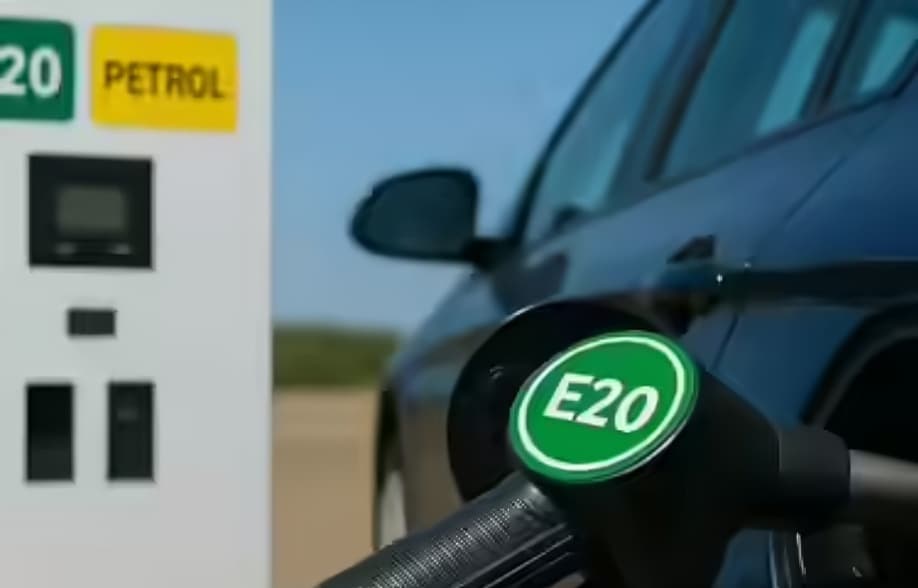
In a major step toward cleaner fuel usage, the Indian government has announced that E20 petrol, which contains 20% ethanol, will now be mandatory across the country. The fuel must have a minimum Research Octane Number (RON) of 95, ensuring compatibility with modern engines while reducing carbon emissions and improving energy efficiency. The directive comes from the Ministry of Petroleum and Natural Gas and marks a significant policy shift in India’s energy and automotive landscape.
E20 petrol blends 20% ethanol with conventional petrol, offering environmental and economic benefits. Ethanol is derived primarily from sugarcane and other agricultural residues in India, reducing dependence on imported crude oil. The use of ethanol-blended fuels helps lower greenhouse gas emissions, contributing to India’s climate goals and aligning with the country’s push for cleaner and sustainable energy sources.
Vehicle compatibility is a key aspect of this transition. Automakers have been gradually updating engine technology to run efficiently on E20 petrol without compromising performance or longevity. Most modern cars and motorcycles with flex-fuel or high-octane engines will be able to run seamlessly on E20. Owners of older vehicles may need to consult manufacturers or authorized service centers to ensure engine compatibility and avoid potential issues.
The mandatory introduction of E20 petrol is expected to transform India’s fuel consumption landscape. Petrol pumps nationwide will gradually switch to selling the new fuel, while the government is implementing awareness campaigns to educate consumers on the benefits and safe usage of E20. Automobile manufacturers have welcomed the initiative, highlighting that vehicles designed for high-octane fuel can operate efficiently on E20, maintaining mileage and engine performance.
In addition to environmental benefits, E20 adoption is expected to provide economic relief to farmers by creating a steady demand for ethanol produced from sugarcane and other crops. This step supports India’s rural economy while simultaneously decreasing fuel import bills, strengthening energy security.
Consumers should be aware that switching to E20 petrol will not require major changes in driving habits. However, it is advisable to monitor engine performance, maintain regular servicing, and ensure fuel quality from certified petrol pumps. Over time, as the E20 infrastructure expands, the fuel is expected to become widely available at all major fuel stations in India.
Overall, the nationwide rollout of E20 petrol with 95 octane marks a milestone in India’s energy transition. By blending sustainability with economic and environmental advantages, the government aims to create a cleaner, more resilient fuel ecosystem. Car and bike owners are encouraged to embrace this change as part of India’s larger move toward greener mobility and reduced carbon footprints.