Ethanol Blending Beyond 20 Percent Not on Government’s Immediate Agenda
The central government has clarified that it has not taken a decision to increase ethanol blending in petrol beyond the existing 20 percent level. Any future move towards higher ethanol blends will depend on detailed scientific and technical studies, along with consultations involving automobile manufacturers, oil marketing companies and research institutions.
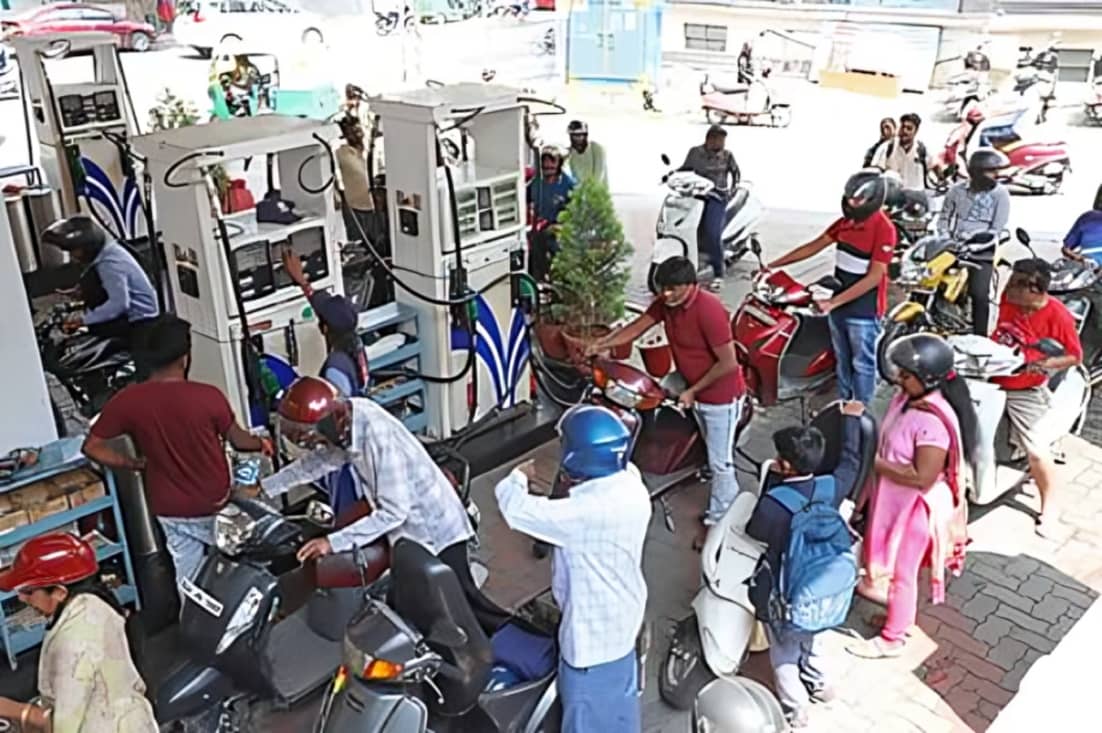
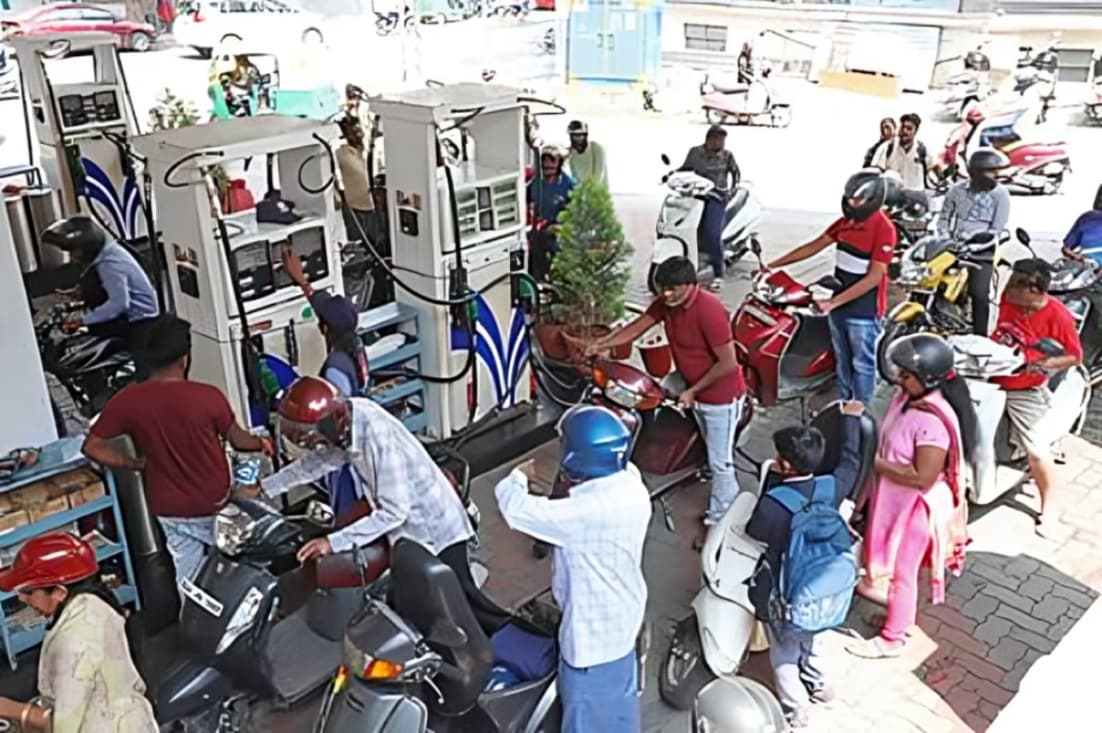
The clarification comes as ethanol-blended petrol continues to attract public attention in India. While the government has promoted ethanol as part of its energy security and environmental strategy, some motorists have raised concerns about fuel efficiency, vehicle compatibility and the long-term impact on engines.
Government Maintains the Existing E20 Policy
E20 petrol contains 20 percent ethanol blended with 80 percent petrol. It has become the standard petrol blend across India following the expansion of the country's Ethanol Blended Petrol programme.
In a written reply to Parliament in July 2026, Minister of State for Petroleum and Natural Gas Suresh Gopi stated that no decision had been taken to increase ethanol blending beyond 20 percent. He said that any future decision would follow detailed scientific and technical studies and consultations with relevant stakeholders.
The government has therefore maintained the existing blending level while leaving the possibility of a future change dependent on further evaluation. The clarification does not mean that the ethanol blending programme has been discontinued. Instead, it indicates that an increase beyond the current level has not been formally approved.
The Petroleum Ministry has also maintained that India's transition to E20 followed a phased process involving technical evaluation and consultations with industry participants. The government says that future changes to fuel policy must consider vehicle technology, fuel quality, emissions and operational requirements.
What Is Ethanol Blending?
Ethanol is an alcohol-based fuel that can be produced from agricultural feedstocks, including sugarcane and grains. It can be blended with petrol and used in suitable internal combustion engines.
The percentage in a fuel's name indicates the proportion of ethanol in the blend. For example, E10 contains up to 10 percent ethanol, while E20 contains 20 percent ethanol. Higher blends contain a greater proportion of ethanol and may require vehicles designed or certified to use them.
India's ethanol blending programme aims to diversify the country's transport fuel supply. By using domestically produced ethanol, the government seeks to reduce dependence on imported crude oil, create additional demand for agricultural products and support the transition towards lower-emission fuels.
However, the benefits and practical implications of ethanol blending depend on factors such as feedstock production, manufacturing methods, fuel distribution, vehicle design and actual driving conditions.
Why Is the Government Cautious About Higher Blends?
Increasing the ethanol percentage in petrol is not simply a matter of changing the fuel mixture. Higher blends can require additional testing and validation to establish compatibility with engines, fuel systems, seals and other vehicle components.
Automobile manufacturers and technical institutions need to assess how vehicles respond to changes in fuel composition. Relevant considerations include engine durability, cold starting, fuel efficiency, emissions, drivability and the long-term performance of fuel-system materials.
The government has indicated that scientific and technical studies, together with consultations involving vehicle manufacturers and oil marketing companies, would be necessary before any decision to increase blending beyond E20.
This approach is particularly important because India's vehicle fleet includes models manufactured in different years and designed for different fuel specifications. Compatibility can vary between vehicles, making manufacturer recommendations and certification important considerations for owners.
The current clarification should not be interpreted as an announcement of a future increase. It confirms that the government has not yet made such a decision.
Motorists' Concerns About Mileage and Vehicle Compatibility
Ethanol-blended petrol has generated discussion among motorists, particularly over whether E20 affects mileage and the performance of older vehicles.
Ethanol has different energy characteristics from petrol. Consequently, fuel economy can vary depending on the blend, vehicle design, driving conditions, maintenance and driving habits. The impact is not necessarily identical across all cars and two-wheelers.
The government has stated that E20 underwent scientific evaluation before its wider implementation. It has also cited operating experience and industry consultations in support of the existing policy. At the same time, concerns raised by vehicle owners have kept fuel compatibility and transparency in the public discussion.
Vehicle owners should check their manufacturer's fuel recommendations and follow the instructions in the owner's manual. If a vehicle develops unusual running problems after refuelling, owners should seek an assessment from an authorised service centre rather than assume that ethanol blending is necessarily the cause.
Consumers should also distinguish between the government's position on the overall E20 programme and the compatibility requirements of an individual vehicle. A national fuel policy does not remove the need to follow the vehicle manufacturer's technical guidance.
India's Energy Security and Environmental Objectives
India imports a substantial share of the crude oil it consumes, making its economy vulnerable to changes in international oil prices and supply disruptions. Increasing the use of domestically produced ethanol is one way the government aims to diversify transport energy sources.
The government has reported that the ethanol blending programme has helped reduce crude oil use and foreign exchange expenditure while creating demand for agricultural feedstocks. It has also linked the programme to its wider objectives for energy security and emissions reduction. These are government-reported programme benefits and should be assessed in the context of the methods used to calculate them.
Ethanol production can also provide an additional market for certain agricultural products. However, the overall sustainability of the programme depends on factors such as water use, crop choices, production efficiency and the responsible management of food and agricultural resources.
The policy therefore involves several considerations beyond the percentage of ethanol blended into petrol. Fuel availability, vehicle readiness, agricultural supply and environmental outcomes all play a role in determining how the programme develops.
What Happens Next?
For now, the government has not announced an increase in the nationwide petrol blending level beyond E20. Any future proposal would require further technical assessment and consultations with the relevant industries and research institutions.
The clarification also does not mean that all research into higher ethanol blends has stopped. It means that the government has not taken a decision to raise the standard blending percentage. Separate initiatives involving high-ethanol fuels for flex-fuel vehicles should not be confused with a nationwide increase in the base petrol blend. E85, for example, is intended for vehicles specifically designed and certified to use that fuel.
For motorists, the immediate priority is to understand their vehicle's fuel requirements and follow manufacturer guidance. For the automotive and petroleum industries, the next steps will depend on technical evidence, infrastructure readiness and future policy decisions.
Conclusion
The central government has confirmed that there is no approved plan at present to increase ethanol blending in petrol beyond 20 percent. Any future change will depend on scientific and technical studies and consultations with automobile manufacturers, oil marketing companies and research institutions.
The existing E20 policy remains part of India's broader strategy to reduce dependence on imported crude oil, support domestic ethanol production and pursue environmental objectives. As discussions about mileage and vehicle compatibility continue, further policy changes will depend on evidence, industry readiness and official decisions.