Honda to Launch New Pickup Truck Based on Mitsubishi Triton in 2028
Honda is preparing to expand its vehicle lineup in Southeast Asia with a new pickup truck based on the Mitsubishi Triton. The Japanese automakers have signed a memorandum of understanding to develop the upcoming model, with sales scheduled to begin in the ASEAN market in 2028. The agreement marks the first complementary vehicle supply initiative between Honda and Mitsubishi Motors.
The collaboration will allow Honda to enter a pickup truck segment in which it currently has no offering across its ASEAN lineup. Mitsubishi, meanwhile, expects the arrangement to increase production volumes and improve capacity utilisation at its manufacturing plant in Thailand. Although the partnership has been officially announced, several details about the Honda pickup remain unconfirmed.
1. The New Honda Pickup Will Be Based on the Mitsubishi Triton
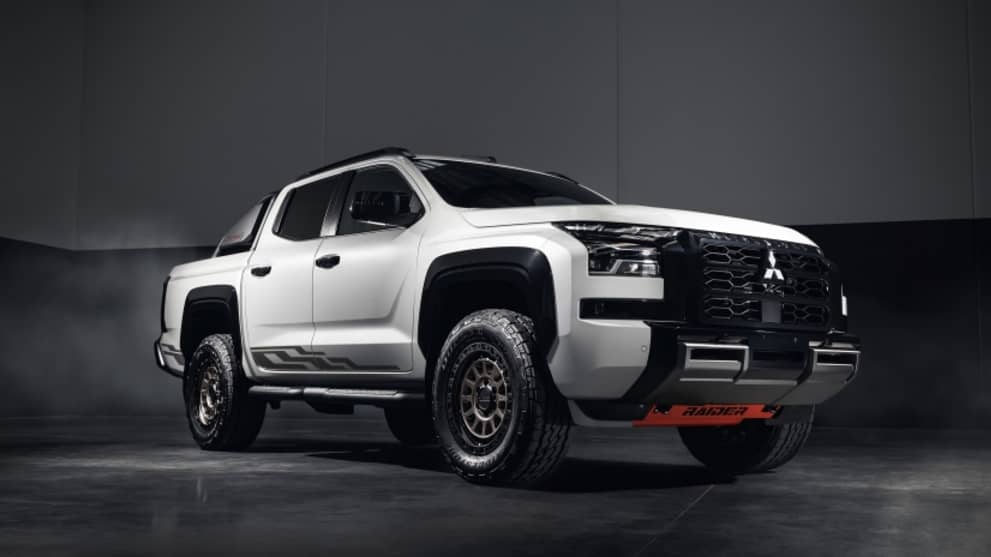
The upcoming Honda pickup will use the Mitsubishi Triton as its foundation. The Triton is a one-tonne pickup truck developed for both commercial applications and recreational use. It is built on a ladder-frame chassis designed to support demanding driving conditions, heavy loads and off-road travel.
Using an existing vehicle platform will allow Honda to expand its product portfolio without developing a completely new pickup from the ground up. This approach can reduce development time and costs while allowing the company to enter a new vehicle segment more efficiently.
However, the extent of the differences between the Honda version and the Mitsubishi Triton has not been disclosed. Honda has not yet released official images of the production model or confirmed whether it will receive a substantially different exterior design, interior layout or equipment package.
The final vehicle may have brand-specific styling and features, but these details remain speculative until the companies publish further information.
2. Launch Planned for Southeast Asia in 2028
Honda and Mitsubishi have confirmed that the new pickup is scheduled to go on sale in ASEAN markets in 2028. The Association of Southeast Asian Nations includes countries such as Thailand, Indonesia, Vietnam, Malaysia and the Philippines.
The region is an important market for one-tonne pickup trucks, which are used for commercial transport, agricultural activities, construction work and personal travel. A pickup based on the Triton platform could help Honda address customers who need a vehicle capable of handling a combination of work and leisure requirements.
The companies have not yet published a country-by-country launch schedule. It is also unclear whether the model will be introduced in every ASEAN market or initially offered in selected countries.
There is no confirmed launch date, price or sales plan for India. Indian customers should therefore not assume that the upcoming Honda pickup will be launched domestically alongside its Southeast Asian debut.
3. Engine and Technical Specifications Remain Unconfirmed
Honda and Mitsubishi have not announced the final engine specifications for the new model. Since the pickup will be based on the Mitsubishi Triton, it could share important mechanical components with its donor vehicle. However, the companies have not confirmed which engines, transmissions or drivetrain configurations will be used.
The Mitsubishi Triton is offered with a 2.4-litre engine family in different markets, including turbo-diesel configurations. Depending on the market and variant, the existing pickup is available with different transmission and four-wheel-drive options.
These specifications provide an indication of the platform's capabilities, but they should not be treated as confirmed specifications for the Honda model.
Important details still to be announced include engine output, torque, transmission choices, fuel economy, payload capacity, towing capacity, ground clearance and off-road driving systems. The final specifications will determine how the Honda pickup compares with established rivals in its target markets.
Buyers will also need to wait for information about the available cab configurations, safety equipment, infotainment system and driver-assistance features.
4. Why Honda and Mitsubishi Are Working Together
The agreement reflects a broader strategy among Japanese manufacturers to share vehicle platforms and production resources. Honda, Mitsubishi Motors and Nissan have been exploring collaboration opportunities under a strategic partnership framework established in August 2024.
The objective is to make better use of each company's existing products, technologies and manufacturing capabilities. Developing a new vehicle independently can require significant investment, engineering resources and time. Sharing an established platform can help manufacturers expand their product ranges more quickly.
For Honda, the Mitsubishi Triton offers a starting point for entering the ASEAN pickup market without bearing the full cost of designing and engineering an entirely new model.
For Mitsubishi, supplying a Honda-branded derivative could increase demand for the Triton platform and support production efficiency at its Thailand facility. Higher production volumes may also help the company spread manufacturing costs across more vehicles.
The agreement demonstrates how vehicle-sharing arrangements can provide a practical alternative to developing every model independently. It does not, however, mean that the two companies will merge their operations or that every future vehicle will be shared.
5. What Buyers Can Expect From the Upcoming Pickup
The use of the Triton's ladder-frame architecture suggests that the Honda pickup will be designed for customers who need a conventional work-oriented truck. Such a construction is commonly used in pickups intended to carry loads and handle challenging road conditions.
Nevertheless, the final capabilities will depend on the suspension setup, engine, drivetrain, chassis tuning and equipment selected for the Honda version. No official payload or towing figures have been released.
The model's positioning, exterior design and interior features also remain unknown. Honda may adapt selected elements to align the pickup with its own brand identity, but the extent of those changes has not been confirmed.
Pricing is another major unanswered question. The company has not disclosed an expected price range or explained how the new truck will be positioned against the Mitsubishi Triton and other pickups in Southeast Asia.
Potential buyers should wait for official announcements before drawing conclusions about the model's performance, value or equipment.
Conclusion
Honda's upcoming pickup truck marks a significant development in its plans for Southeast Asia. Based on the Mitsubishi Triton, the new model is scheduled to go on sale in ASEAN markets in 2028.
The partnership is expected to help Honda enter the regional pickup segment more efficiently while increasing production opportunities for Mitsubishi in Thailand. Engine specifications, styling, equipment, pricing and the precise market rollout remain unconfirmed.
There is currently no official confirmation of an Indian launch. Further announcements from Honda and Mitsubishi should clarify the model's technical details and regional availability as development progresses.