The Indian automobile sector has received a major boost with the implementation of GST 2.0, which has resulted in reduced prices for cars across a wide range of models. From budget-friendly options such as Maruti Suzuki hatchbacks to high-end luxury SUVs like the Range Rover, the new tax cuts are expected to ease consumer expenses and drive fresh demand in the market.
According to industry experts, the government’s decision to rationalize GST rates on automobiles aims to revive the sector, which has been facing challenges due to fluctuating demand, rising fuel costs, and global supply chain issues. By lowering the overall tax burden, authorities hope to make vehicles more affordable for a larger customer base.
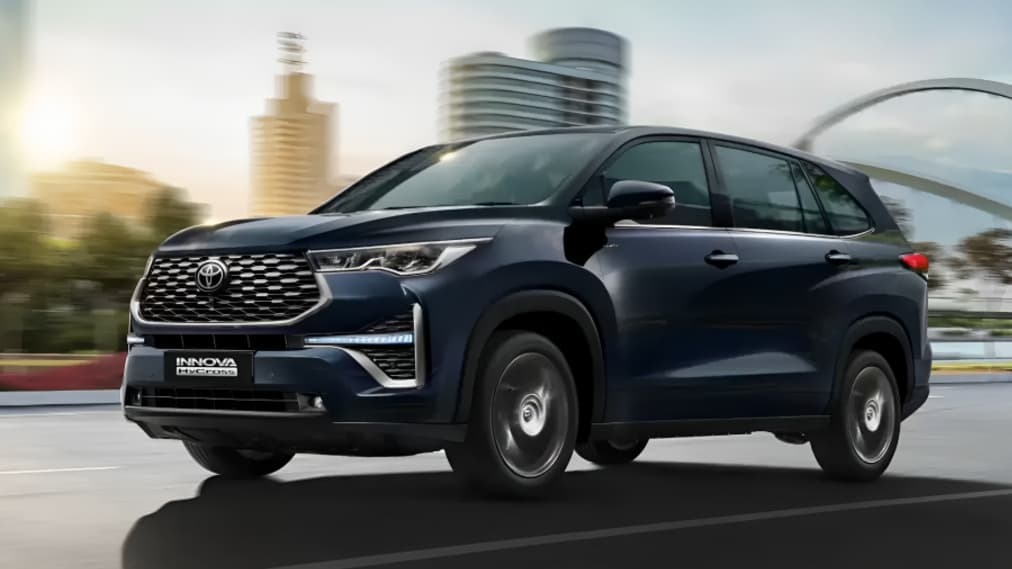
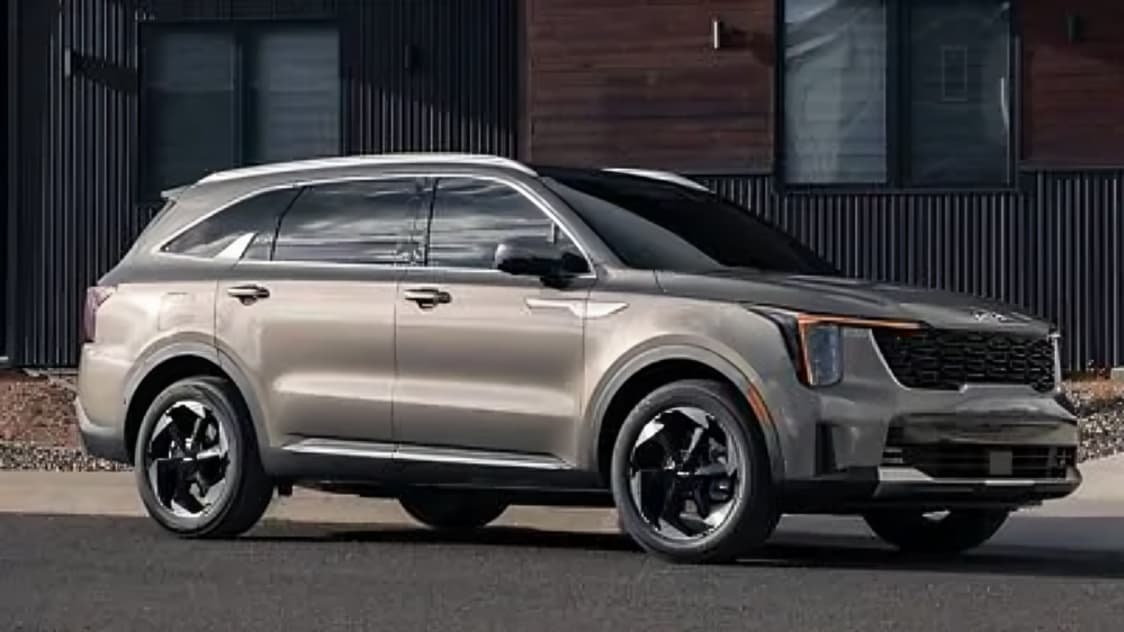
Dealerships across the country have already begun updating their price lists in line with the revised GST rates. Customers looking to purchase entry-level models such as Maruti Alto, Swift, or Wagon R are likely to see noticeable reductions, making these vehicles more accessible to middle-class buyers. On the premium side, SUVs and luxury cars, including popular models from brands such as Toyota, Hyundai, BMW, and Land Rover, are also witnessing significant price cuts.
The GST 2.0 update is particularly timely, coming just before the festive season when car sales traditionally see a surge. Automobile manufacturers are optimistic that the reduced prices will not only improve sales numbers but also restore consumer confidence in the market. This could potentially lead to a rebound in production volumes and contribute positively to the overall economy.
Auto analysts have highlighted that the revised taxation is expected to benefit multiple segments of the industry. While the mass-market segment will see an uptick due to affordability, the luxury segment is also expected to attract more buyers who were earlier deterred by high costs. In addition, the reduction in GST is likely to encourage buyers considering electric and hybrid models, as manufacturers may pass on further benefits to promote cleaner mobility solutions.
Consumers planning to purchase vehicles are advised to check with their nearest dealerships for the updated price structure. Early reports suggest that the drop in prices could range from a few thousand rupees in entry-level cars to several lakhs in premium SUVs and luxury sedans. This broad spectrum of benefits makes GST 2.0 a noteworthy reform for both manufacturers and buyers.
Industry insiders believe that if sales momentum picks up as anticipated, automobile companies may respond by launching new variants and models to capture the growing demand. The positive outlook also suggests that the sector could experience steady growth in the coming quarters, supported by favorable government policies and renewed consumer interest.
In conclusion, GST 2.0 has introduced substantial relief for car buyers across India. With price reductions spanning from Maruti to Range Rover, the reform is expected to invigorate the automobile sector, boost sales during the festive season, and enhance affordability for customers. The latest tax adjustment positions the industry for a stronger recovery, reinforcing its role as a key driver of India’s economic growth.