The economic reforms introduced by Dr. Manmohan Singh in the early 1990s fundamentally changed the course of India’s automotive industry. As the Finance Minister, Singh played a key role in the liberalisation of the Indian economy, which involved dismantling restrictive policies, reducing import duties, and encouraging foreign direct investment (FDI). This marked the beginning of a new era for India’s auto sector, with both domestic and international companies gearing up for rapid growth and expansion.
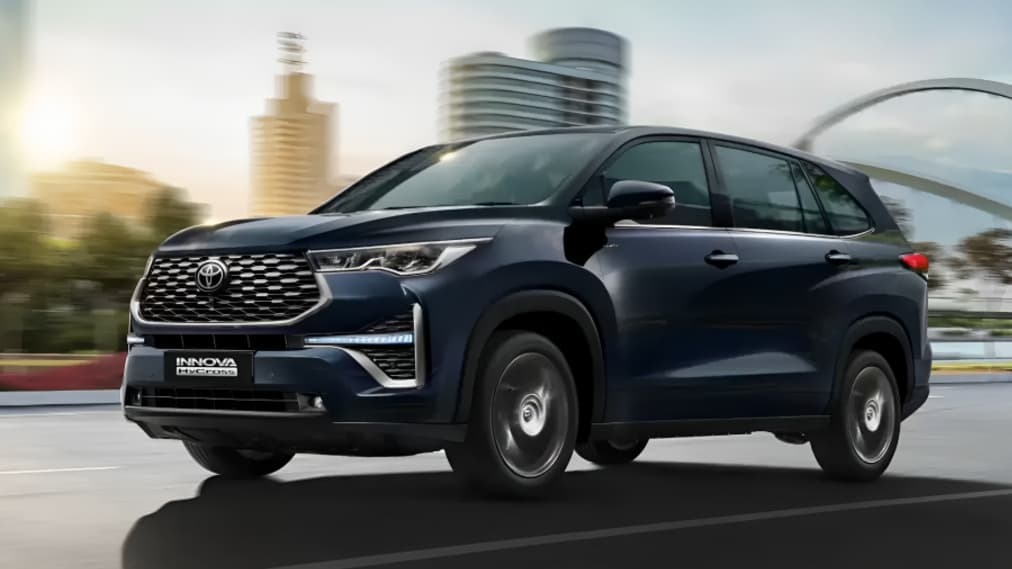
One of the most significant outcomes of these reforms was the entry of global automobile manufacturers into the Indian market. Companies like Honda, Hyundai, and Toyota saw India as a new frontier for growth, and they quickly set up manufacturing plants in the country. The liberalisation brought with it access to cutting-edge technology and production techniques, enabling Indian consumers to enjoy a wider variety of vehicles at competitive prices.
Additionally, the domestic players, such as Maruti Suzuki and Tata Motors, took advantage of the liberalised environment to modernise their product lines and boost their manufacturing capabilities. Maruti Suzuki, which had already established a strong presence in India, expanded its range of vehicles, from small cars to compact sedans, catering to the growing middle-class market. Similarly, Tata Motors ventured into the production of more affordable cars, such as the Tata Nano, which aimed to make car ownership accessible to a larger population.
The reforms also resulted in a shift in the automotive industry’s supply chain. The increased liberalisation allowed Indian manufacturers to forge partnerships with global suppliers, giving rise to a robust network of component manufacturers and assembly units. This enhanced India’s position as a global player in car manufacturing, with several international automakers setting up production units in the country for both domestic consumption and export purposes.
Dr. Singh's vision for a market-driven economy, coupled with his pro-business policies, paved the way for the establishment of a dynamic and competitive automotive ecosystem in India. Today, India is one of the fastest-growing car markets in the world, and the legacy of these economic reforms continues to fuel the industry’s growth.
In conclusion, the economic liberalisation initiated by Manmohan Singh was not just about opening up markets, but about fostering innovation, competition, and modernisation within India's automotive sector. His contributions laid the foundation for India to become an automotive manufacturing hub, and the impact is still being felt today as the country remains one of the top global players in the automobile market.