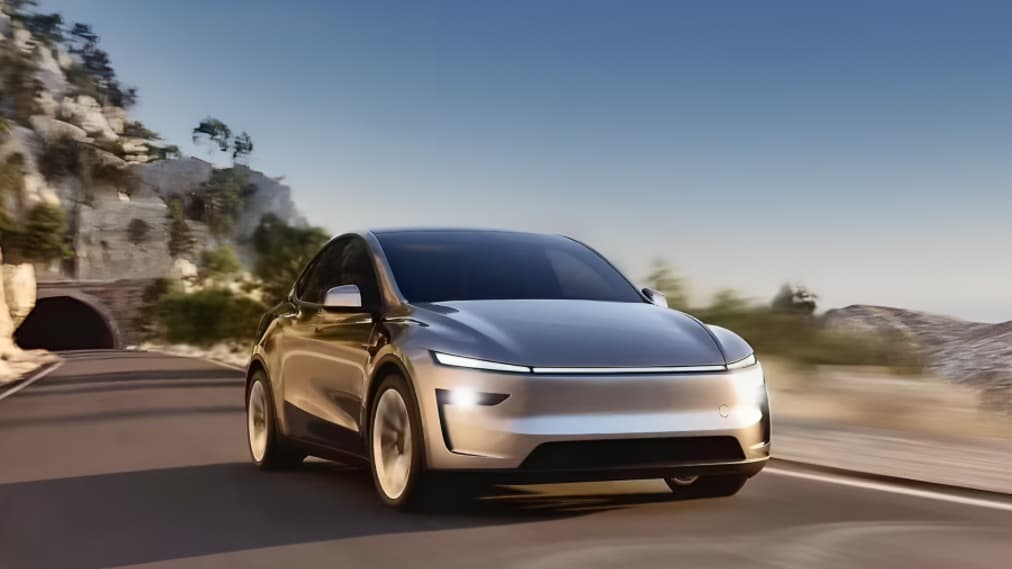
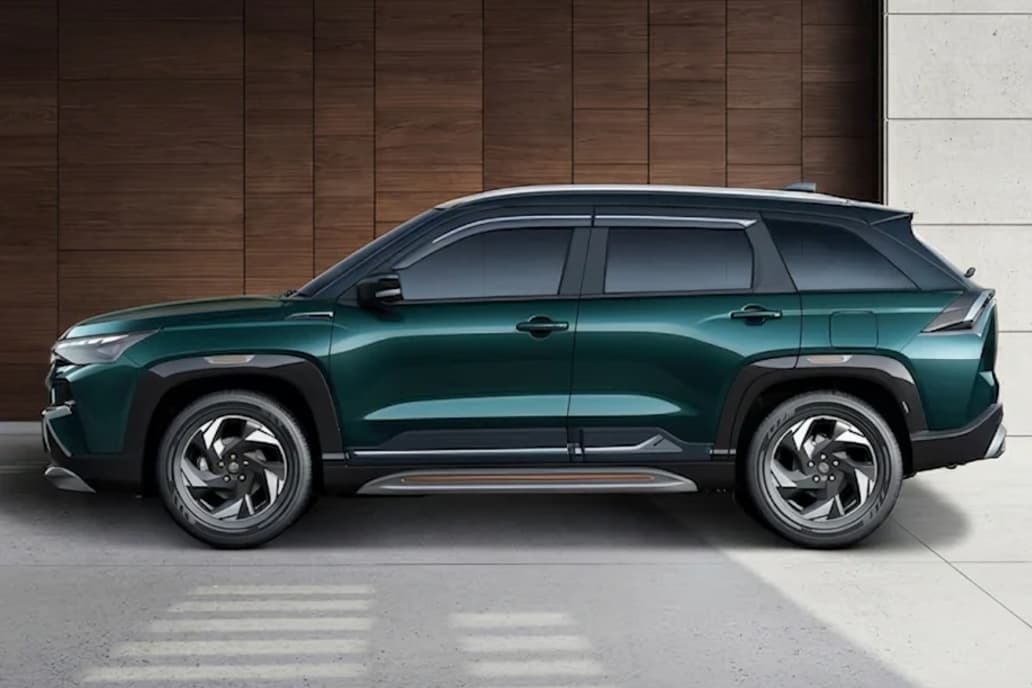
The Union Budget 2024 has the potential to significantly elevate India's automobile sector through a range of strategic measures and policy initiatives. With the right focus on boosting domestic manufacturing, encouraging electric vehicle (EV) adoption, and improving infrastructure, the budget can set the stage for transformative growth in the industry.
1. Incentives for Electric Vehicles:
To accelerate the adoption of electric vehicles, the budget could introduce enhanced incentives for both manufacturers and consumers. This might include increased subsidies, tax benefits, and reduced import duties on EV components. Such measures would make EVs more affordable and attractive to the masses, promoting a greener automotive future.
2. Boosting Domestic Manufacturing:
The budget could emphasize policies aimed at strengthening domestic manufacturing capabilities. This might involve increased investment in research and development, support for local production of auto components, and incentives for setting up manufacturing units. By fostering a robust manufacturing ecosystem, India can reduce its dependence on imports and enhance its global competitiveness.
3. Infrastructure Development:
Developing the necessary infrastructure is crucial for the automobile sector's growth. The budget could allocate funds for building better road networks, developing EV charging infrastructure, and improving public transportation systems. Enhanced infrastructure will not only facilitate smoother logistics for the automotive industry but also encourage consumers to adopt new technologies like electric vehicles.
4. Encouraging Innovation and Technology:
To stay ahead in the global automotive landscape, the budget could support innovation and technological advancements. This could include funding for autonomous vehicle technology, smart mobility solutions, and advanced safety features. Encouraging innovation will help Indian automakers stay competitive and cater to evolving consumer demands.
5. Green Initiatives and Sustainability:
The budget could promote sustainability by encouraging the production and use of eco-friendly vehicles. This might involve stricter emission norms, incentives for hybrid and electric vehicles, and support for renewable energy integration in manufacturing processes. By prioritizing green initiatives, India can reduce its carbon footprint and contribute to global environmental goals.
6. Financial Support and Investment:
Providing financial support through favorable loan schemes, credit facilities, and investment opportunities can stimulate growth in the automobile sector. The budget could introduce measures to make financing more accessible for both consumers and manufacturers, thereby driving demand and expansion in the industry.
7. Skill Development and Employment:
To ensure a skilled workforce, the budget could focus on enhancing skill development programs related to the automotive sector. This might include vocational training, partnerships with educational institutions, and initiatives to upskill existing employees. A skilled workforce will contribute to higher productivity and innovation in the industry.
By addressing these key areas, the Union Budget 2024 can pave the way for substantial growth and development in India's automobile sector, positioning the country as a global leader in the automotive industry.
4o