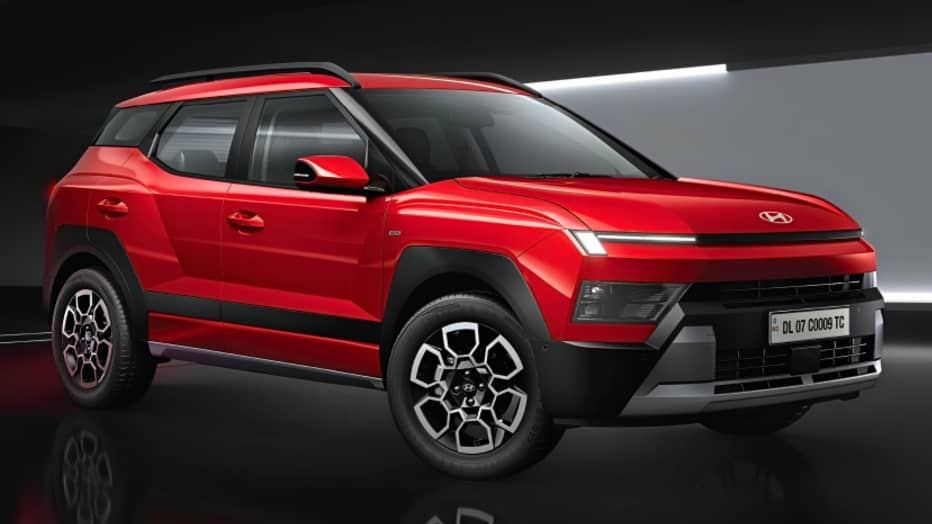
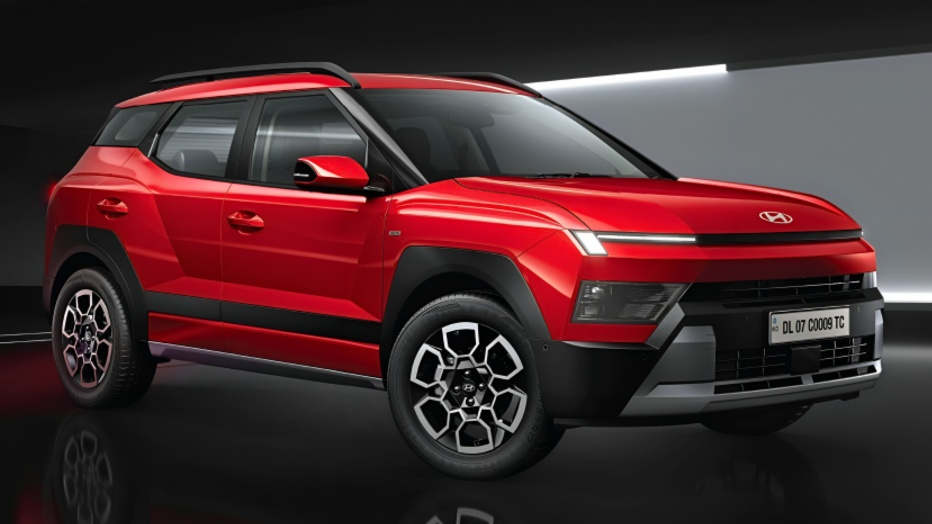
Hyundai Motor India is preparing to launch the Bayon SUV in India on October 26, 2026. Ahead of its market introduction, new images have revealed additional details about the vehicle's cabin, including its panoramic sunroof and rear-seat arrangement. The images provide a closer look at the comfort and practicality features expected to be offered on the upcoming SUV.
The Bayon is expected to sit between the Venue and Creta in Hyundai's Indian SUV line-up. It is designed to appeal to buyers looking for a compact SUV with contemporary styling, connected technology and features aimed at everyday family use. Hyundai has already revealed the India-spec model and opened bookings.
Panoramic Sunroof and Rear-Seat Features
The latest images show a panoramic-style glass roof, which is likely to be one of the key comfort features on higher variants. A panoramic sunroof can make the cabin feel more open by allowing additional natural light into the passenger compartment. Its availability may depend on the variant, so buyers should confirm the final equipment list when prices are announced.
The images also reveal three headrests in the rear row, suggesting that Hyundai has considered comfort for all three rear passengers. Rear air-conditioning vents are visible, helping direct airflow towards occupants in the second row. A centre armrest is also shown, providing an additional comfort feature for rear passengers.
The rear seats appear to feature a 60:40 split-folding arrangement. This allows the seatbacks to be folded in sections rather than requiring the entire rear bench to be lowered. The layout can provide greater flexibility when carrying a combination of passengers and luggage. The actual cargo capacity and seat-folding operation should be confirmed from the official specifications once the vehicle is launched.
The latest images also indicate a powered driver's seat on the version shown. As with other equipment, this feature may be restricted to a higher variant. Buyers should check the final variant-wise specification list before booking.
Dual 12.3-Inch Displays and Cabin Technology
The Bayon's dashboard features two curved displays, each measuring 12.3 inches. One screen serves as the digital instrument cluster, while the other is used for infotainment and vehicle functions. The combined layout gives the cabin a technology-focused appearance.
Hyundai has also confirmed that the India-spec Bayon will feature a generative artificial intelligence voice assistant. The system is intended to support more natural voice interactions and provide assistance related to driving and connected functions. Its actual capabilities will depend on the services available, connectivity and the final production specification.
The SUV will use Hyundai's Connected Car Navigation Cockpit technology, with the company highlighting a connected and integrated digital experience. Hyundai Bluelink will provide more than 70 connected features, according to the manufacturer. The vehicle is also planned to support controller-level over-the-air software updates, allowing supported software enhancements to be delivered remotely.
These features are intended to make the Bayon more competitive among technology-focused SUVs. However, the availability of specific connected services and software functions should be checked against the official model documentation.
Engine and Transmission Options
Hyundai has confirmed a 1.5-litre, four-cylinder MPi petrol engine for the Indian-market Bayon. The engine produces 115 PS of maximum power and 144 Nm of peak torque. Customers will be able to choose between a six-speed manual transmission and an Intelligent Variable Transmission, or IVT automatic.
The manual option may appeal to buyers who prefer direct gear selection, while the IVT is designed to provide a more convenient driving experience in everyday traffic. Fuel efficiency will depend on driving conditions, traffic, maintenance and driving style. Official mileage figures and variant-specific details should be checked when Hyundai releases the complete specifications.
Hyundai has highlighted the use of its established petrol powertrain for the Bayon. The company has not announced an official price in the information currently available, so expected prices should not be treated as confirmed figures.
Bookings and Expected Positioning
Bookings for the Hyundai Bayon are open through the company's official website and authorised dealerships. Hyundai has announced an initial booking amount of Rs 11,000. The company is expected to communicate delivery details at launch.
The Bayon will enter a competitive SUV market, where buyers often compare cabin space, safety equipment, infotainment technology, engine options and ownership costs. Its position between the Venue and Creta is expected to give Hyundai another choice for customers who want a feature-rich SUV without moving to a larger model.
The panoramic sunroof, rear air-conditioning vents, rear armrest, split-folding seats and dual displays could strengthen its appeal to family buyers. Nevertheless, the final value proposition will depend on the variant-wise equipment and official pricing.
What Buyers Should Know Before the Launch
The new images provide a clearer picture of the Bayon's cabin, but they do not replace the full official specification sheet. Buyers should confirm which variants receive the panoramic sunroof, powered driver's seat and other premium features. They should also check the safety equipment, warranty terms, delivery schedule and final on-road price before making a purchase decision.
Hyundai is scheduled to launch the Bayon in India on October 26, 2026. Until the official price announcement, the SUV's final positioning will remain uncertain. The launch announcement is expected to provide more clarity on prices, variants and availability.