Hyundai Bayon vs Hyundai Venue: Five Major Differences Buyers Should Know
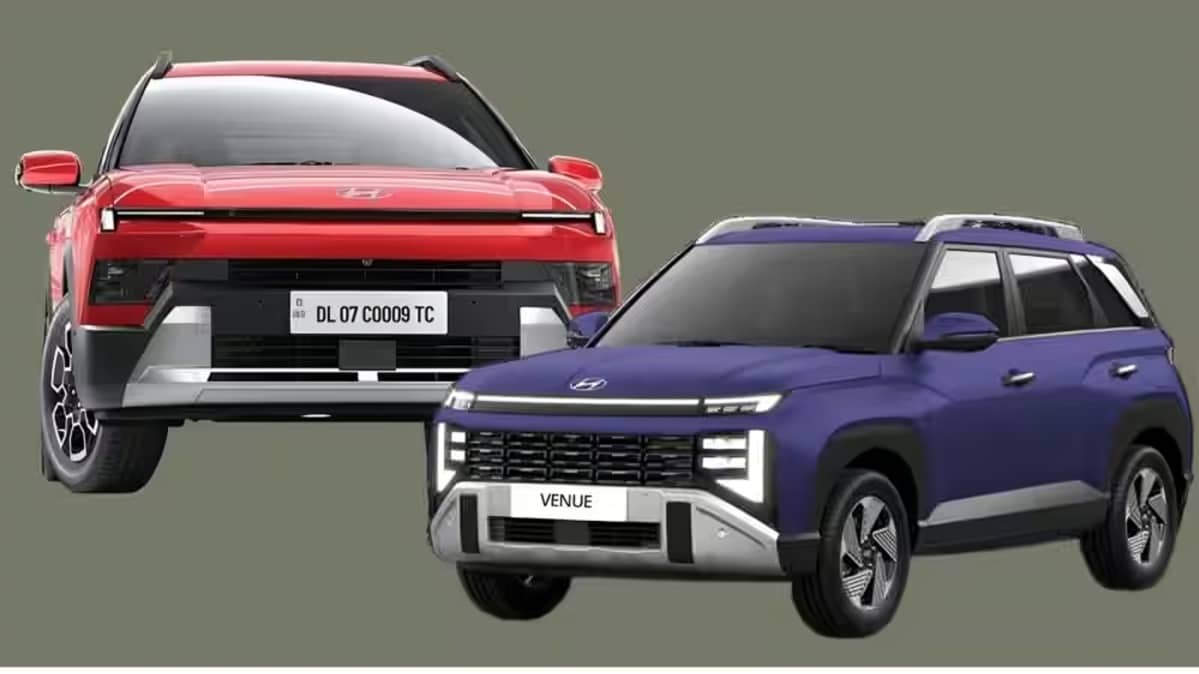
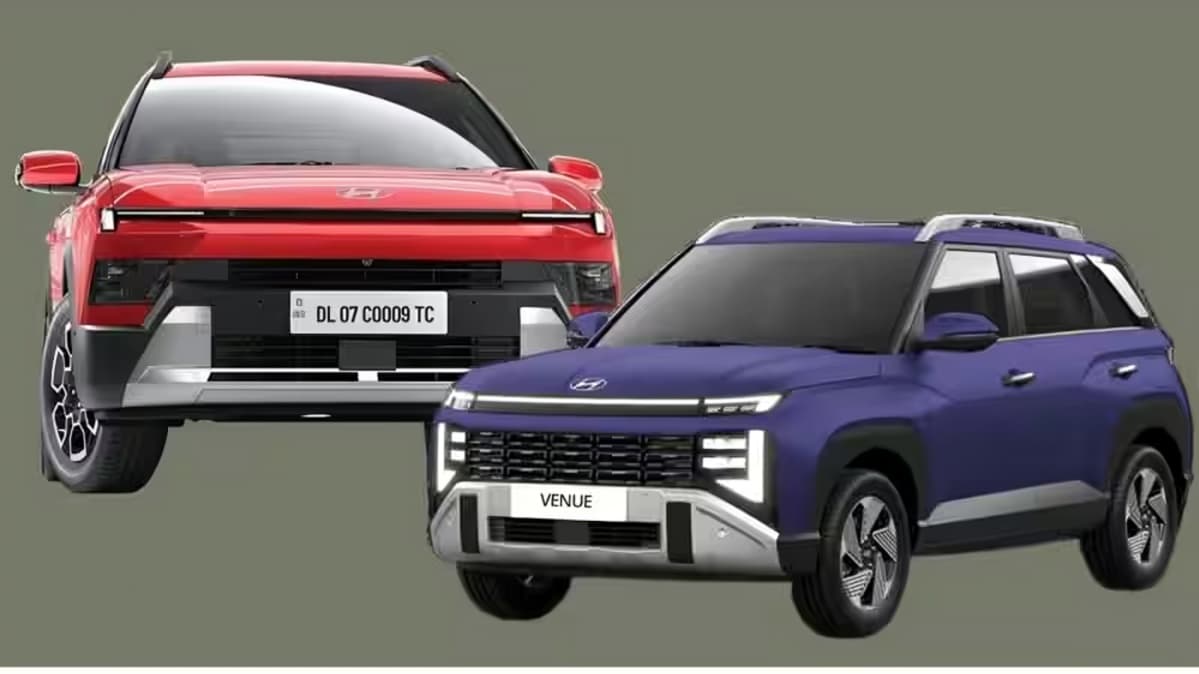
Hyundai has expanded its SUV range in India with the introduction of the Bayon, giving buyers another option alongside the popular Venue. Although both vehicles offer modern styling, connected technology and family-friendly features, they differ in price, dimensions, engine choices and equipment.
The Bayon is positioned between the Venue and the Creta in Hyundai’s lineup. It focuses on cabin space, luggage capacity and premium technology, while the Venue offers a more affordable starting point and a wider choice of powertrains. The Bayon starts at Rs. 9.99 lakh ex-showroom, compared with the Venue’s starting price of Rs. 7.99 lakh ex-showroom. Prices vary by variant and transmission.
Here are five important differences buyers should consider before choosing between the two Hyundai SUVs.
1. Exterior Dimensions and Boot Space
One of the biggest differences between the Bayon and Venue is their size. The Bayon measures 4,245mm in length, while the Venue measures 3,995mm. This makes the Bayon 250mm longer than its smaller sibling.
The Bayon also has a wheelbase of 2,600mm, compared with 2,520mm for the Venue. A longer wheelbase can help create a more spacious cabin, although actual passenger comfort also depends on seat design and interior layout. The Bayon is slightly wider, while the Venue is taller.
Boot capacity is another important difference. The Bayon offers 505 litres of luggage space, while the Venue provides 375 litres. The additional 130 litres could be useful for families carrying suitcases, shopping bags, travel equipment or other bulky items.
The Venue’s smaller footprint, however, can be an advantage when driving through crowded city streets or parking in tight spaces. Buyers who regularly travel with family and luggage may prefer the Bayon, while those who mainly drive in busy urban areas may find the Venue easier to manage.
2. Price and Overall Value
Price is another major factor in this comparison. The Hyundai Venue has a lower entry price of Rs. 7.99 lakh ex-showroom, while the Bayon starts at Rs. 9.99 lakh ex-showroom.
This means buyers can enter the Venue range at a lower cost. The difference becomes especially relevant for customers working within a fixed budget or planning to purchase a higher variant with additional equipment.
The Bayon’s higher starting price reflects its positioning, larger dimensions and selection of premium features. Depending on the variant, buyers can get equipment such as a panoramic sunroof, an electrically adjustable driver seat and a built-in dashcam.
However, a higher price does not automatically mean better value for every buyer. Customers should compare similarly priced variants and check which features are included in each model. Insurance, registration, road tax and optional accessories will also affect the final on-road price.
For budget-conscious buyers, the Venue may be the more practical option. Those who prioritise luggage capacity, cabin space and selected premium features may find the Bayon worth considering.
3. Engine and Transmission Choices
The two SUVs differ significantly in their engine lineups. The Hyundai Bayon is offered with a 1.5-litre naturally aspirated petrol engine producing approximately 115 PS and 143.8 Nm of torque. Buyers can choose a six-speed manual gearbox or an Intelligent Variable Transmission on selected variants.
The Hyundai Venue offers a broader range of powertrains. Depending on the variant, its options include a 1.2-litre naturally aspirated petrol engine, a 1.0-litre turbo-petrol engine and a 1.5-litre diesel engine. Transmission choices vary according to the engine and trim, including manual and automatic options.
The Bayon’s naturally aspirated petrol engine may suit drivers looking for a straightforward petrol-powered SUV. The Venue gives buyers more flexibility, particularly those who want turbo-petrol performance or prefer a diesel engine for their driving requirements.
Buyers should not make a decision based on peak power figures alone. Test-driving the available versions can help them assess acceleration, gearbox response, ride comfort and how the vehicle behaves in everyday traffic. Fuel economy and maintenance costs should also be considered when calculating long-term ownership expenses.
4. Comfort, Infotainment and Convenience Features
Both SUVs offer a modern cabin with digital displays, smartphone connectivity, wireless phone charging and premium audio equipment on selected variants. However, some of their individual features differ.
The Bayon offers a panoramic sunroof, an eight-way electrically adjustable driver seat, tilt-and-telescopic steering adjustment and a built-in dashcam on selected variants. These features can improve convenience and help drivers find a comfortable seating position. Its larger boot also gives it an advantage for luggage-carrying needs.
The Venue counters with a larger 12.3-inch infotainment display in its higher variants, rear window sunshades and selectable drive and traction modes. These features may appeal to buyers who want more control over driving settings or additional convenience for rear-seat passengers.
Both vehicles offer features such as ventilated front seats, a digital instrument cluster, connected-car technology and a Bose sound system in selected trims. The exact equipment depends on the variant, so buyers should examine the feature list carefully rather than assuming that every feature is available throughout the range.
For customers who value a panoramic sunroof, adjustable steering and a built-in dashcam, the Bayon has notable advantages. Those who prefer the Venue’s screen setup, rear sunshades and terrain-related settings may find it better suited to their needs.
5. Safety Technology and Driver Assistance
Safety is an important consideration for buyers comparing modern SUVs. Both the Bayon and Venue offer six airbags and a range of electronic safety systems. Depending on the variant, buyers can also get Level 2 Advanced Driver Assistance Systems, a 360-degree camera, blind-spot monitoring, tyre pressure monitoring and parking assistance features.
The Bayon is advertised with a more extensive Level 2 ADAS package, including 23 functions in the available comparison. The Venue also offers Level 2 ADAS, with the feature set varying by trim. Both vehicles include technologies intended to support the driver, but their precise functions and availability should be confirmed for the versions being considered.
Driver assistance systems can provide warnings or help with certain driving tasks, but they do not replace the driver's attention or responsibility. Their performance can depend on road markings, weather, traffic and other operating conditions.
Customers should compare the exact safety equipment in the variants they can afford. They should also consider visibility, braking behaviour, child-seat provisions and ease of parking during a test drive.
Which Hyundai SUV Should You Choose?
The Hyundai Bayon and Venue serve slightly different needs. The Bayon is a strong option for buyers who want a larger vehicle, greater boot capacity and selected premium comfort features. Its 505-litre boot and longer wheelbase make it particularly worth considering for families who travel with luggage.
The Venue remains attractive for buyers who want a lower starting price and more engine choices. Its smaller dimensions can also make it more convenient in crowded urban environments.
Before booking either SUV, compare the on-road prices of the specific variants, check which features are included and take a test drive. The best choice is not necessarily the vehicle with the longest feature list, but the one that offers the right balance of space, performance, comfort, safety and price for your everyday needs.