
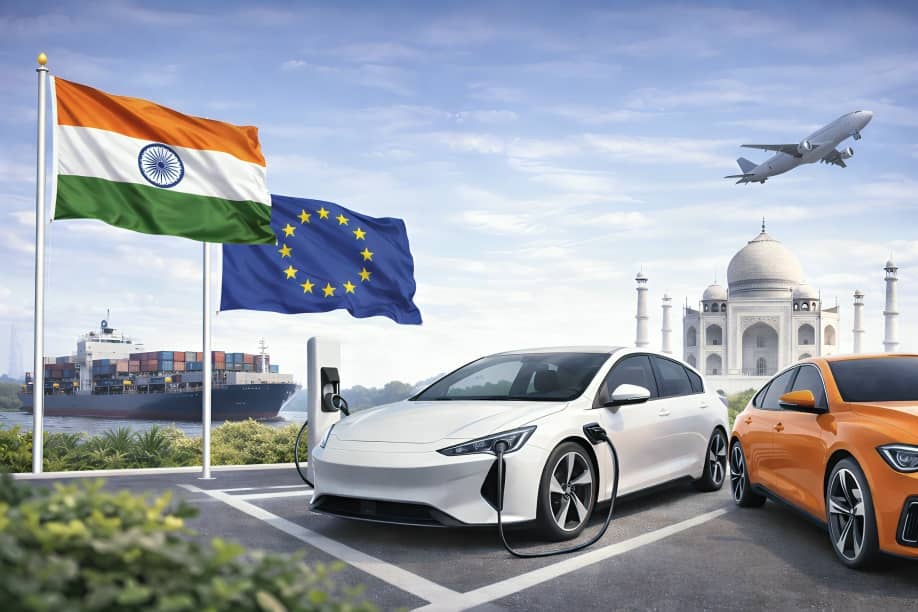
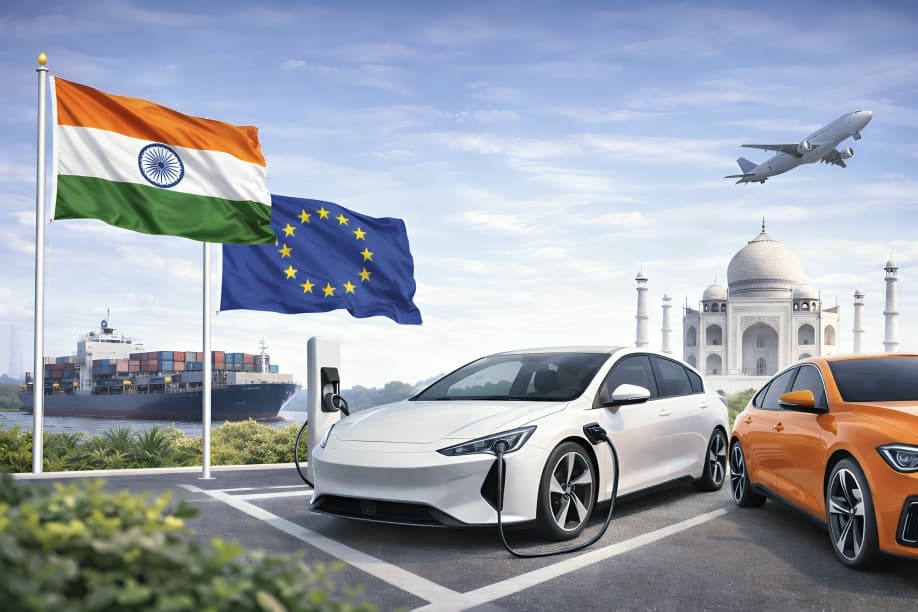
The India–European Union (EU) free trade agreement (FTA) is close to being finalised, raising expectations of major changes in India’s automotive market, particularly for European cars. Once implemented, the deal is expected to significantly reduce import duties on vehicles priced above €15,000, bringing them down from the current rate of approximately 110% to as low as 10%. This reduction is likely to make premium European cars considerably more affordable for Indian buyers, transforming the landscape of luxury and high-end automobile sales in the country.
European automakers such as BMW, Mercedes-Benz, Audi, Volkswagen, Volvo, and Porsche stand to gain the most from this development. These brands have traditionally faced steep import duties in India, limiting accessibility for many potential customers. The reduction in tariffs will not only reduce sticker prices but may also allow manufacturers to introduce newer variants with advanced features that were previously cost-prohibitive.
Industry analysts believe that the lower import duties will encourage greater competition among European automakers in India. Lower prices could expand the customer base, attracting not only high-income buyers but also aspirational buyers seeking premium vehicles. Some experts predict a rise in sales of smaller luxury models like the Mercedes-Benz A-Class, Audi A3, and BMW 2 Series, as well as high-end SUVs such as the BMW X5, Audi Q7, and Mercedes-Benz GLE.
The deal is also expected to benefit the broader automotive ecosystem in India. Reduced import costs could encourage European brands to establish local assembly lines, leading to more employment and investment opportunities. Additionally, Indian dealerships may offer better financing options and promotions, further enhancing affordability for consumers.
However, experts caution that the impact on prices will vary depending on factors such as model, engine size, and local taxes. While the FTA primarily reduces customs duties, states may still impose registration fees and road taxes, which could influence the final cost for consumers. Nonetheless, the agreement marks a significant step in aligning India with global trade norms, facilitating easier access to European technologies and luxury automobiles.
With the FTA expected to be signed soon, European car enthusiasts in India can anticipate a more attractive market. The deal will not only reduce costs but also enhance choice, performance, and features available in premium vehicles. For automakers, it opens the door for increased sales and investment, while consumers benefit from more competitive pricing and access to the latest models.
Overall, the India–EU trade deal is set to reshape the luxury automotive segment in India, making European cars more accessible and stimulating growth in the high-end vehicle market. The reduction in import duties promises a win-win for manufacturers, consumers, and the broader automotive industry.


