Toyota India is preparing to introduce the next-generation Fortuner SUV, one of the most popular and iconic models in the country’s D-segment SUV market. The new Fortuner is expected to arrive either later in 2026 or by early 2027, continuing Toyota’s dominance in the premium SUV segment. Although Toyota has not officially confirmed the launch timeline, industry experts and automotive insiders have shared detailed expectations about the SUV’s design, features, and powertrain updates.
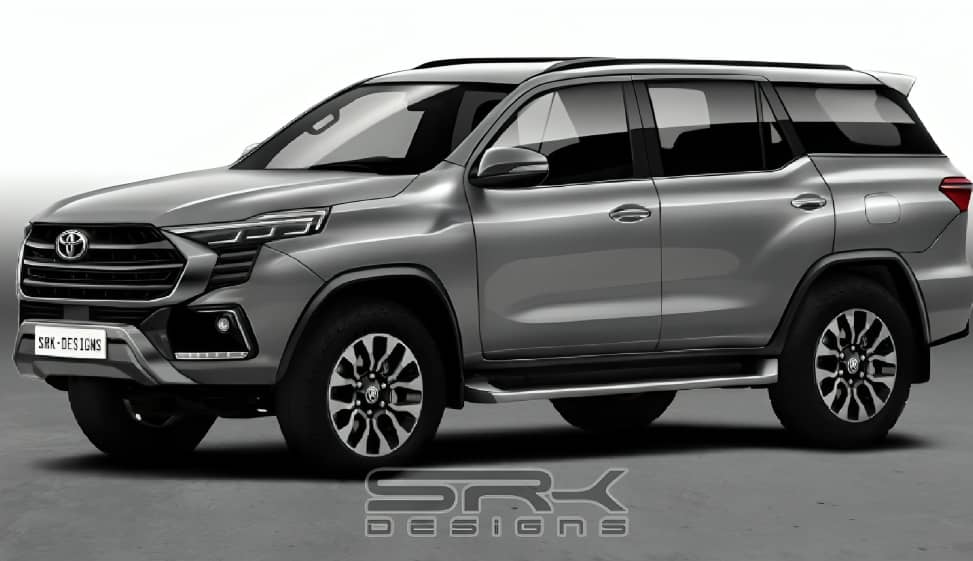
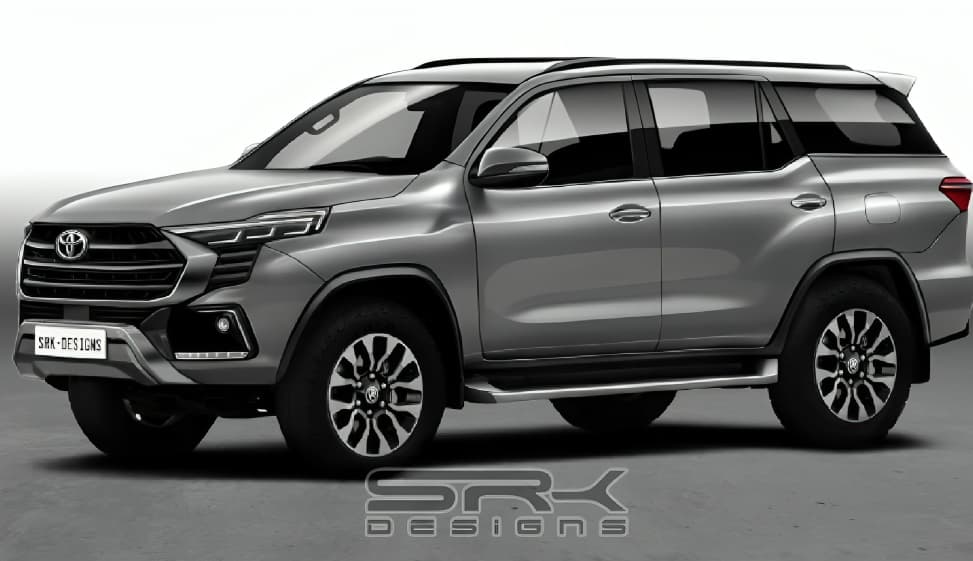
On the exterior, the next-gen Fortuner is expected to showcase a more commanding presence while retaining its familiar silhouette. A larger front grille, sharper LED headlamps, and redesigned tail lamps are anticipated, giving the SUV a modern and premium look. Front and rear bumpers are likely to be updated to enhance both style and aerodynamics. Fresh alloy wheel designs are expected to complement the robust stance of the SUV. The overall design is said to draw inspiration from Toyota’s flagship Land Cruiser, lending the Fortuner a more upscale appeal without straying far from its rugged identity.
Inside, Toyota is likely to deliver a more premium and comfortable cabin. The dashboard is expected to feature a completely redesigned layout, including a revamped centre console, a digital instrument cluster, and a new steering wheel design. Physical AC control buttons are likely to remain for ease of use, while infotainment and connectivity features could be upgraded with a larger touchscreen interface supporting Android Auto and Apple CarPlay. Seating will continue to prioritize comfort with ventilated power seats, and Toyota is expected to improve cabin materials, ambient lighting, and storage solutions to match evolving customer expectations in the luxury SUV segment.
Under the hood, the next-gen Fortuner is expected to offer both petrol and diesel engine options. Toyota may refine the current powertrains to improve efficiency and performance, possibly integrating mild-hybrid technology to enhance fuel economy and meet stricter emission norms. Transmission options are likely to include both manual and automatic gearboxes, including advanced 6-speed or 8-speed automatic units for smoother driving dynamics. Toyota is expected to retain the SUV’s proven 4x4 system, ensuring the Fortuner continues to excel both on highways and challenging off-road terrains.
Safety and driver assistance features are also expected to be enhanced in the new Fortuner. Advanced safety systems like multiple airbags, ABS with EBD, vehicle stability control, hill-start assist, and potentially Toyota’s latest driver-assist technologies may be incorporated, aligning with global safety standards.
With these updates, the next-generation Toyota Fortuner aims to reinforce its reputation as a premium, reliable, and versatile SUV in India. Its combination of rugged design, modern interior, refined powertrains, and safety features will help it remain a preferred choice among D-segment SUV buyers, competing with rivals like the Ford Endeavour, MG Gloster, and upcoming Mahindra SUVs. Toyota’s careful balance of tradition and innovation is expected to keep the Fortuner at the top of its segment in the coming years.