
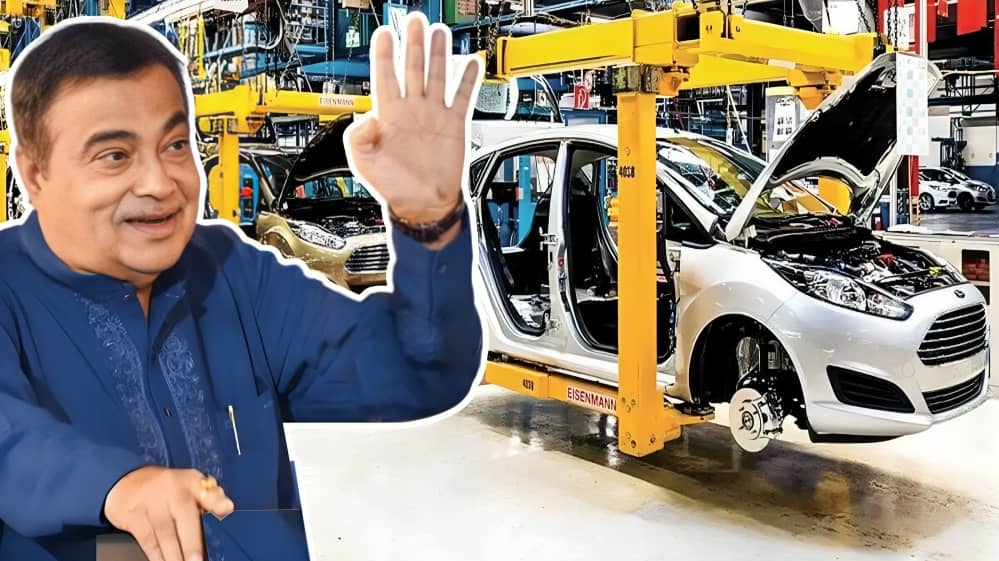
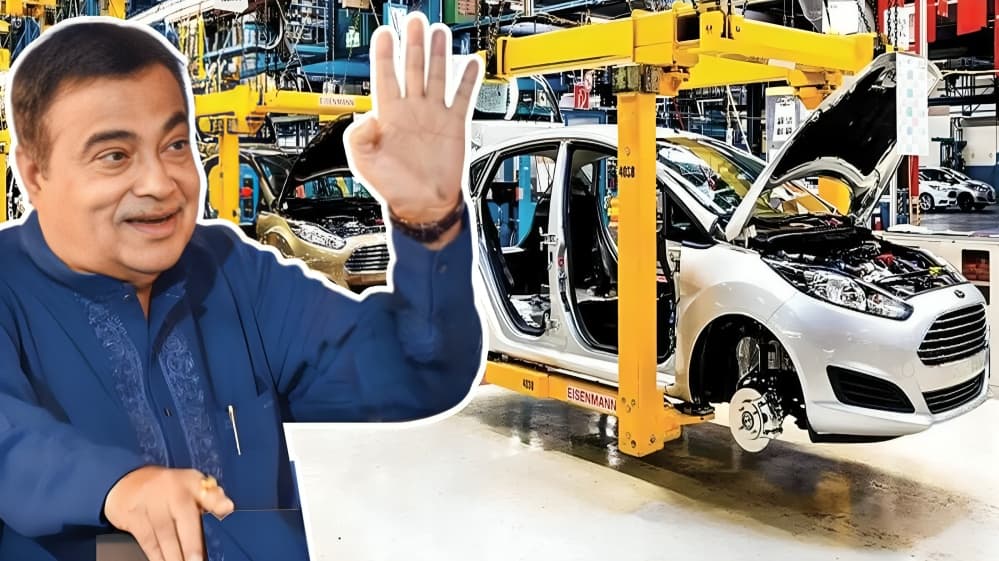
Union Minister for Road Transport and Highways, Nitin Gadkari, has laid out a bold vision to position India as the world’s number one automobile industry by 2030. The statement was made during his address at the 7th Auto Retail Conclave organised by the Federation of Automobile Dealers Associations (FADA) in Delhi, which brought together key stakeholders from the automotive retail and manufacturing sectors.
Gadkari emphasised that India’s automotive industry possesses significant potential due to its cost competitiveness, large domestic market, and growing integration of advanced technologies such as electric vehicles, connected cars, and smart mobility solutions. He suggested that with the right policy measures, support for innovation, and collaboration between manufacturers and dealers, India could overtake current global leaders like the United States and China within the next decade.
Key Drivers for India’s Automotive Growth
According to the minister, several factors could propel India to the top of the global automotive rankings:
- Cost Competitiveness: India offers a low-cost manufacturing ecosystem, skilled labour, and economies of scale that attract global automakers. Gadkari highlighted that these factors position India as a hub for exports and manufacturing efficiency.
- Adoption of New Technologies: Rapid adoption of electric vehicles (EVs), hybrid vehicles, and other clean mobility solutions is expected to fuel growth. India is emerging as a strong contender in the EV segment with policy incentives and increasing domestic investment in battery and charging infrastructure.
- Industry Collaboration: Gadkari underscored the importance of collaboration between automobile manufacturers, dealers, and government bodies. This cooperative approach will enhance efficiency, distribution networks, and technological innovation.
- Policy Support and Innovation: The minister also spoke about India’s supportive policy environment, including incentives for EV adoption, Make in India initiatives, and R&D support, which are expected to accelerate growth and global competitiveness.
Implications for the Auto Retail Sector
The FADA conclave focused on the evolving role of automobile dealers in India’s growth story. Gadkari encouraged dealers to embrace digitalisation, data-driven customer engagement, and innovative sales models to strengthen the retail ecosystem. By adopting advanced technologies and sustainable business practices, dealers can play a critical role in making India a global automotive leader.
Global Outlook
India is currently among the top five automobile producers worldwide, and the minister’s roadmap aims to elevate the country to the top position. With increasing exports, rising domestic demand, and the EV revolution gaining momentum, the country’s automotive sector is poised for unprecedented growth over the next decade.
Conclusion
Gadkari’s ambitious goal to make India the number one automobile industry by 2030 reflects the government’s commitment to sustainable growth, technology adoption, and global competitiveness. With coordinated efforts from manufacturers, dealers, and policymakers, India could transform into a global automotive powerhouse, setting new benchmarks in innovation, efficiency, and market reach.


