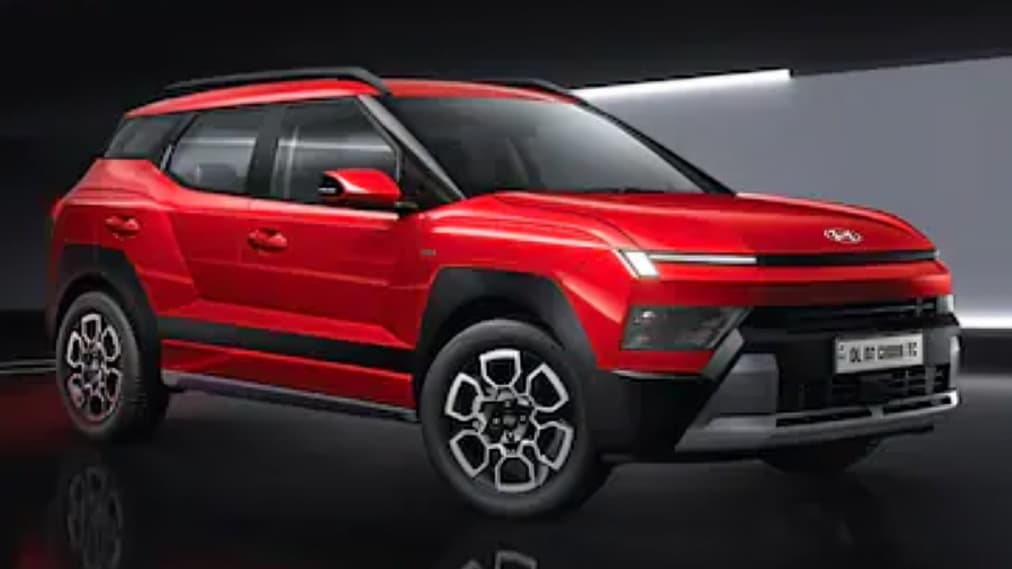
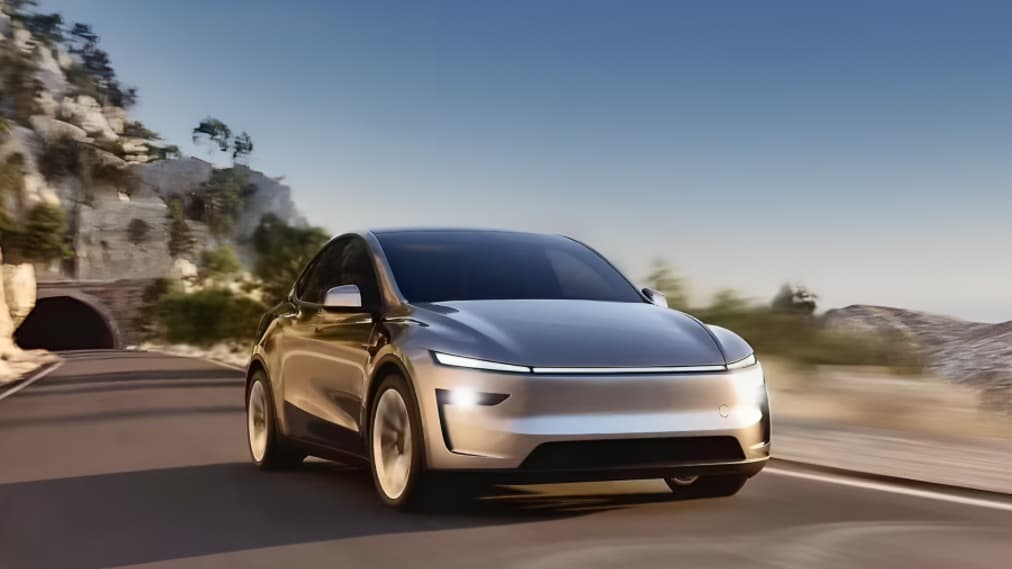
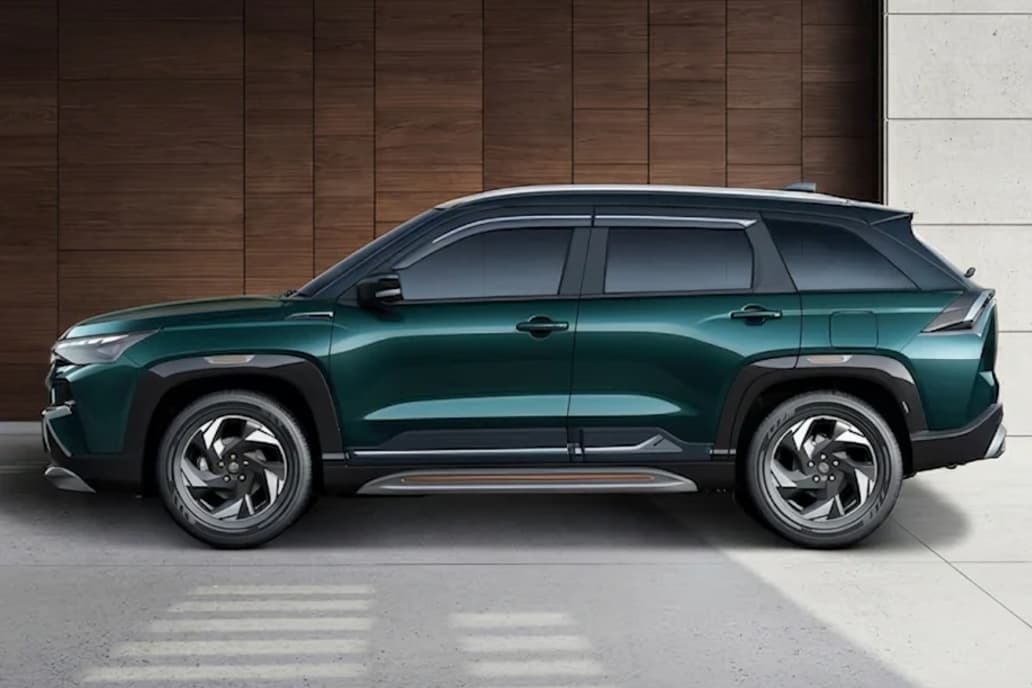
Renault has officially launched the all-new Duster in the Indian market, marking the return of one of the country’s most popular compact SUVs. The new Duster retains its signature muscular silhouette, robust stance, and rugged appeal, complemented by aggressive front and rear bumpers, an aesthetic grille, and modern LED lighting. Inside, the SUV features upgraded interiors with premium materials, an intuitive infotainment system, enhanced safety features, and connectivity options, making it more appealing to today’s tech-savvy buyers.
Despite its exciting comeback, one question has sparked curiosity among enthusiasts and potential buyers: Why is the diesel engine missing from the lineup? Unlike its previous iterations, the latest Renault Duster is available only with petrol and automatic powertrain options. Renault has explained that several factors contributed to this decision.
Firstly, stricter Bharat Stage VI (BS6) emission norms have significantly increased the cost of manufacturing diesel engines for compact SUVs. Ensuring compliance with BS6 standards requires advanced after-treatment technologies such as selective catalytic reduction (SCR) and diesel particulate filters (DPF), which add to the production cost. For a vehicle in the Duster’s price segment, this would have impacted pricing competitiveness.
Secondly, the Indian market has witnessed a gradual decline in diesel demand, particularly for compact SUVs. Consumers are increasingly favoring petrol engines due to lower fuel prices, smoother performance in city traffic, and reduced maintenance costs. Renault’s market research indicated that diesel variants previously contributed less than a third of Duster sales, making the investment in diesel technology less viable for this segment.
Thirdly, the company is focusing on cost optimization and future-proofing its product lineup. By eliminating the diesel option, Renault can streamline production, reduce complexity in the supply chain, and focus on offering enhanced petrol engines and automatic transmissions. This strategy aligns with the industry trend, where major competitors are also prioritizing petrol and hybrid powertrains in compact SUVs.
Renault’s approach reflects a broader shift in India’s automotive sector, as manufacturers adapt to regulatory changes and evolving consumer preferences. Petrol engines are becoming the preferred choice in urban areas, while hybrid and electric powertrains are expected to gain prominence in the near future. For buyers seeking a diesel option, alternative SUVs in the segment, including models from Hyundai, Kia, and Tata Motors, continue to offer diesel variants.
In conclusion, while the absence of a diesel engine in the new Renault Duster may surprise some long-time fans, the decision is driven by regulatory compliance, changing market demand, and cost efficiency considerations. The SUV’s updated design, advanced features, and petrol powertrains aim to provide a refined, modern driving experience that appeals to India’s current compact SUV buyers.