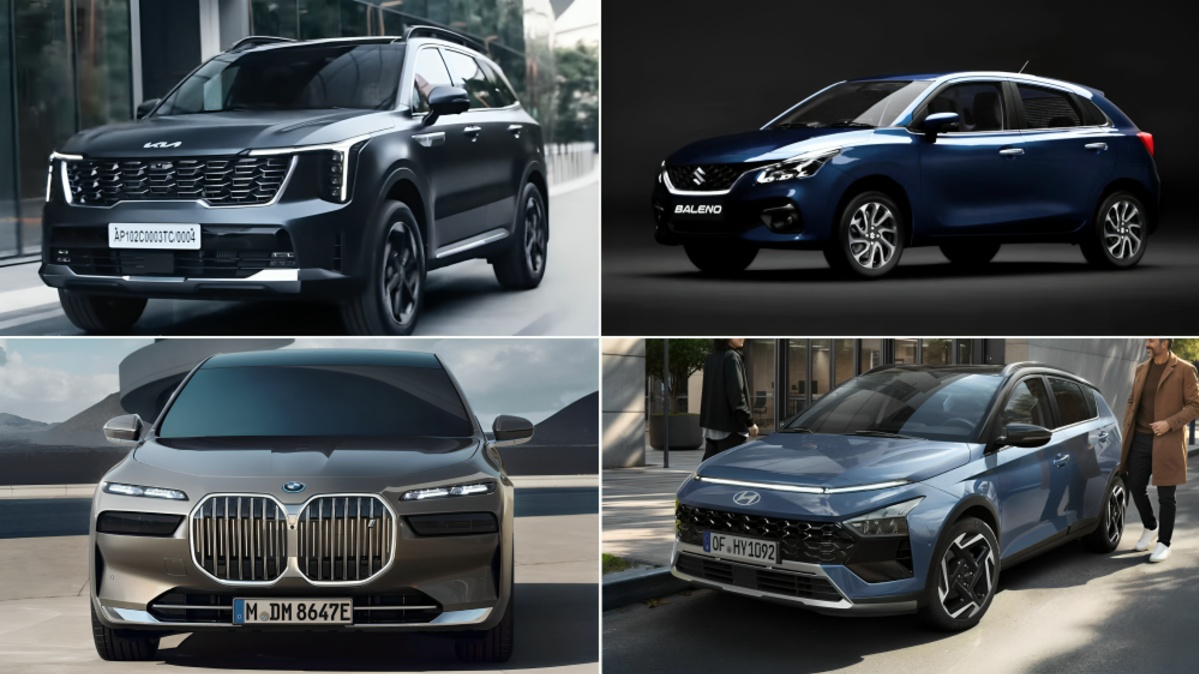
September 2026 is shaping up to be a busy month for the Indian automobile industry, with several important launches and updates planned across multiple segments. The month will see the arrival of new SUVs, a premium hatchback facelift, updated luxury sedans and an electric performance SUV.
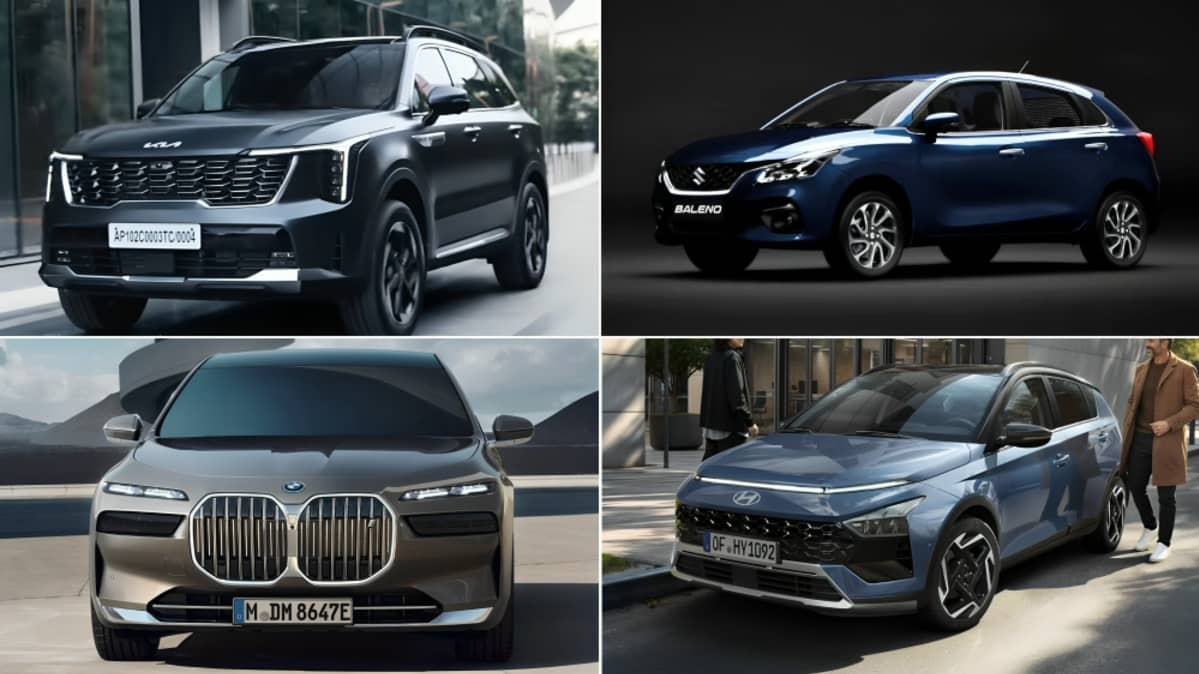
Among the most anticipated launches is the Kia Sorento, which is scheduled to launch in India on September 4. The Sorento will become Kia’s new flagship internal combustion engine model in the Indian market and is expected to be offered in both six and seven seat configurations. Kia has already started accepting bookings for the SUV.
The India specification Sorento is expected to be offered with a 1.6 litre strong hybrid powertrain producing 238 horsepower and 380 Nm, along with a 2.0 litre diesel engine producing 202 horsepower and 441 Nm. The SUV will compete with models such as the Skoda Kodiaq, Volkswagen Tayron and Jeep Meridian.
In terms of features, the Sorento is expected to offer advanced driver assistance systems, ventilated front seats, a digital interior rear view mirror, an electrically operated tailgate, dual zone climate control, ambient lighting and a panoramic sunroof. The SUV is also expected to use a premium three row cabin layout aimed at buyers seeking more space and equipment.
The next major launch is the Maruti Suzuki Baleno facelift, scheduled for September 5. The current second generation Baleno was introduced in 2022, making the upcoming facelift an important update for one of Maruti Suzuki’s key premium hatchbacks.
Spy images and industry reports suggest that the updated Baleno could receive changes to the front grille, bumper and alloy wheel design. The interior may retain the existing 9 inch touchscreen while receiving revised upholstery and additional features. The rear bumper could also be redesigned, although the tail lamps are expected to remain broadly similar.
The facelifted Baleno is expected to continue with the existing 1.2 litre naturally aspirated petrol engine producing 90 horsepower. Transmission choices are expected to include a five speed manual and five speed AMT, while the CNG version is expected to continue with a manual transmission. The Baleno will continue to compete against cars such as the Tata Altroz, Hyundai i20 and Toyota Glanza.
The luxury segment will see an important update on September 11, when BMW is expected to launch the facelifted 7 Series and i7 in India. BMW opened bookings for both flagship models earlier in August following their international debut.
The updated BMW 7 Series receives styling changes including redesigned split LED headlights, a revised kidney grille with an illuminated surround, larger bumper air intakes and updated rear lighting. The cabin is also expected to feature major technology upgrades, including a 17.9 inch central infotainment display, a 14.6 inch passenger display and BMW’s Panoramic Vision interface.
The rear passenger experience remains a major focus for the 7 Series. Features include powered rear seats with heating, ventilation, massage and lumbar support. The 31.3 inch 8K Theatre Screen continues to be one of the standout luxury features, while other equipment includes a Bowers and Wilkins audio system and four zone climate control.
The BMW i7 facelift will receive similar design and cabin updates while continuing as the all electric member of the flagship range. International versions use a larger 112.4 kWh battery, while updated power outputs and improved charging capability are part of the facelift package. BMW is yet to confirm the exact India specification variants.
September will end with a significant electric vehicle debut from Porsche. The Cayenne Electric is scheduled for a physical showcase in India on September 30. Importantly, this should be described as a showcase rather than a first launch, because Porsche has already announced Indian pricing for the electric SUV.
The standard Porsche Cayenne Electric is priced at Rs 1.77 crore ex showroom, while the range topping Cayenne Turbo Electric is priced at Rs 2.27 crore. Both versions use a 113 kWh battery and dual motor all wheel drive systems.
The standard Cayenne Electric produces 442 horsepower and 835 Nm with Launch Control and has a claimed WLTP range of 542 km. The Turbo Electric produces up to 1,156 horsepower and 1,500 Nm with Launch Control, accelerates from zero to 100 kmph in 2.5 seconds and has a claimed WLTP range of 537 km.
Inside, the Cayenne Electric features a 14.5 inch curved infotainment display, with an optional 14.9 inch screen for the front passenger. Other equipment includes electrically adjustable front seats, four zone climate control, ventilated seats, a panoramic sunroof and wireless smartphone charging.
The September calendar therefore covers a wide range of buyers. At one end is the Maruti Suzuki Baleno facelift, aimed at the premium hatchback segment, while the Kia Sorento targets customers looking for a larger premium SUV. BMW’s 7 Series and i7 are positioned at the luxury end of the market, and the Porsche Cayenne Electric brings a high performance electric SUV option.
The month is also notable because the launches combine conventional powertrains with electrification. Kia’s Sorento is expected to offer both diesel and strong hybrid options, while BMW and Porsche are expanding their electric offerings alongside conventional models.
According to Autocar India, the Kia Sorento will launch on September 4, the Baleno facelift on September 5, and the BMW 7 Series and i7 facelifts on September 11. The Porsche Cayenne Electric will follow with its India showcase on September 30.
Other industry trackers list additional models and possible launches during September, but some of those dates remain estimates or are not officially confirmed. This distinction is important because upcoming car calendars often contain a mixture of confirmed launch dates, expected dates and industry speculation.
The September line up could also have an impact on competition in several established segments. The Baleno facelift will face strong rivals from Hyundai, Tata Motors and Toyota, while the Sorento will enter a premium SUV space that already includes several established models.
For buyers, the most important details will be final prices, variant availability, powertrain specifications, equipment levels and booking information. These can differ from early industry estimates, particularly when manufacturers have not yet released complete pricing and specification details.
The luxury launches are also expected to attract attention because BMW and Porsche are adding newer technology and electric powertrain options to their flagship portfolios. The BMW i7 and Porsche Cayenne Electric are positioned as premium electric products aimed at customers who want high performance combined with advanced technology.
The broader September launch calendar reflects the changing nature of India’s car market. Manufacturers are increasingly introducing hybrid and electric models alongside petrol and diesel vehicles, while established nameplates are receiving technology and design updates to remain competitive.
The Kia Sorento’s hybrid option is particularly relevant as manufacturers continue to explore electrification strategies that do not depend entirely on battery electric vehicles. The Baleno facelift, meanwhile, demonstrates that conventional compact cars remain important in the Indian market despite the rapid growth of SUVs.
BMW’s updated flagship sedans show how premium manufacturers are combining electrification, digital displays and rear seat comfort. Porsche’s Cayenne Electric takes that trend further with a performance focused battery electric platform.
September 2026 will therefore offer Indian consumers a wide variety of new choices. From a relatively affordable hatchback facelift to six and seven seat premium SUVs and multimillion rupee electric luxury vehicles, the month's calendar covers a broad spectrum of the automobile industry.
For the Indian market, the key confirmed dates to watch are September 4 for the Kia Sorento, September 5 for the Maruti Suzuki Baleno facelift, September 11 for the BMW 7 Series and i7 facelifts, and September 30 for the Porsche Cayenne Electric showcase.
As manufacturers reveal final specifications and prices, prospective buyers will be able to make more informed comparisons. Until then, expected figures for price, features and engine options should be treated as preliminary unless confirmed by the respective manufacturers.
With several launches concentrated into a single month, September is likely to be one of the more significant periods of 2026 for India's passenger vehicle market. The combination of mainstream updates, new premium SUVs, luxury sedans and high performance electric vehicles makes the month's launch calendar particularly diverse.