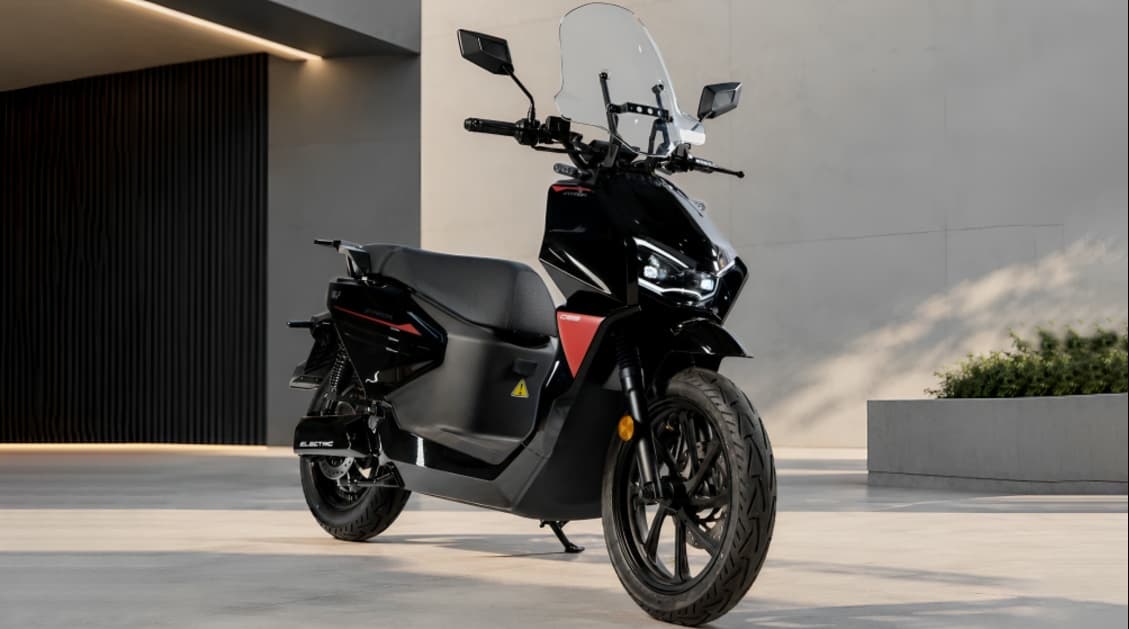
The 2024 budget has sparked significant discussion and concern within the electric vehicle (EV) industry, particularly regarding the future of subsidies for EV two-wheelers. As of now, there is no clear indication whether these subsidies will continue beyond July 31st, leaving manufacturers, consumers, and stakeholders in a state of uncertainty.
Impact on Manufacturers
Manufacturers of EV two-wheelers have been relying heavily on government subsidies to make their products more affordable and competitive against traditional petrol-powered vehicles. These subsidies have played a crucial role in reducing the overall cost for consumers, thus driving sales and adoption rates. With the potential discontinuation of subsidies, manufacturers fear a sharp decline in demand, which could adversely affect production and investment plans. Companies may need to re-evaluate their pricing strategies and possibly scale back on future projects and innovations.
Consumer Concerns
Consumers who are considering the switch to electric two-wheelers are also facing uncertainty. The subsidies have made EVs a financially viable option for many, contributing to the growing popularity of these eco-friendly vehicles. The lack of clarity on subsidy continuation might deter potential buyers, causing them to delay or reconsider their purchase decisions. This could slow down the momentum gained in the EV market over recent years and hinder progress toward sustainable transportation goals.
Industry Reactions
Industry leaders and associations have voiced their concerns and are urging the government to provide a clear roadmap for EV subsidies. They argue that a sudden withdrawal of financial support could disrupt the market and undermine the efforts made to promote electric mobility. To maintain confidence among stakeholders and ensure steady growth in the EV sector, industry experts are calling for a phased approach to any subsidy changes, coupled with alternative incentives to encourage adoption.
Government's Position
While the budget announcement has yet to provide explicit details about the future of EV two-wheeler subsidies, government officials have indicated that discussions are ongoing. There is a possibility that new policies or incentive schemes may be introduced to replace the current subsidies. However, until concrete plans are laid out, the ambiguity remains, prompting stakeholders to prepare for various scenarios.
Long-term Implications
The outcome of this subsidy uncertainty could have long-term implications for the EV industry in the country. A supportive policy framework is essential to foster innovation, attract investments, and build a robust infrastructure for electric vehicles. Clarity on subsidy policies will not only help stabilize the market but also reinforce the country's commitment to reducing carbon emissions and promoting sustainable transportation solutions.
Conclusion
As the July 31st deadline approaches, the EV two-wheeler industry is keenly awaiting more information from the government regarding the future of subsidies. The lack of clarity is causing unease among manufacturers and consumers alike, highlighting the need for transparent and consistent policy measures to support the growth of electric mobility. The coming weeks will be critical in determining the trajectory of the EV market and the broader push towards greener transportation options.