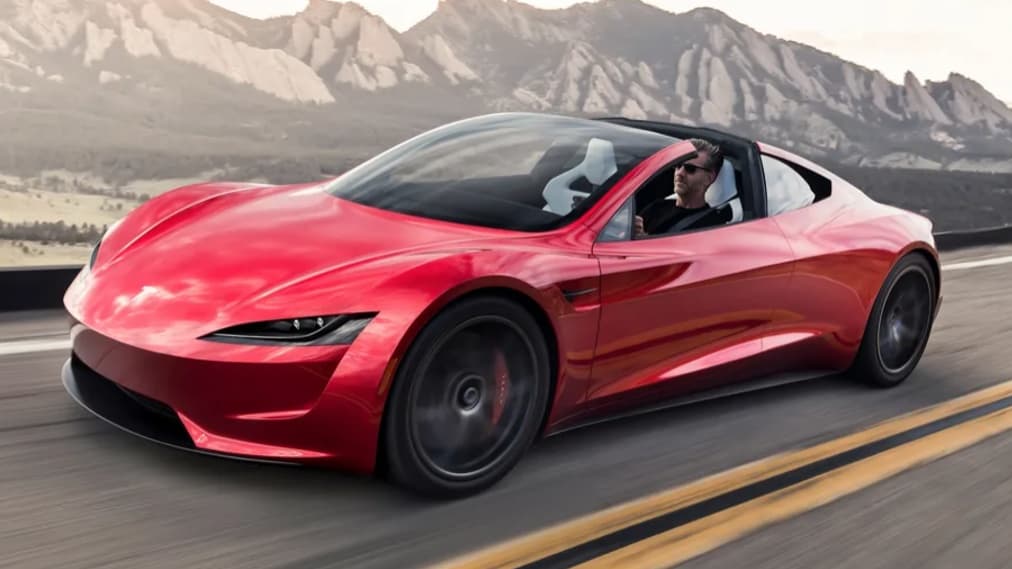
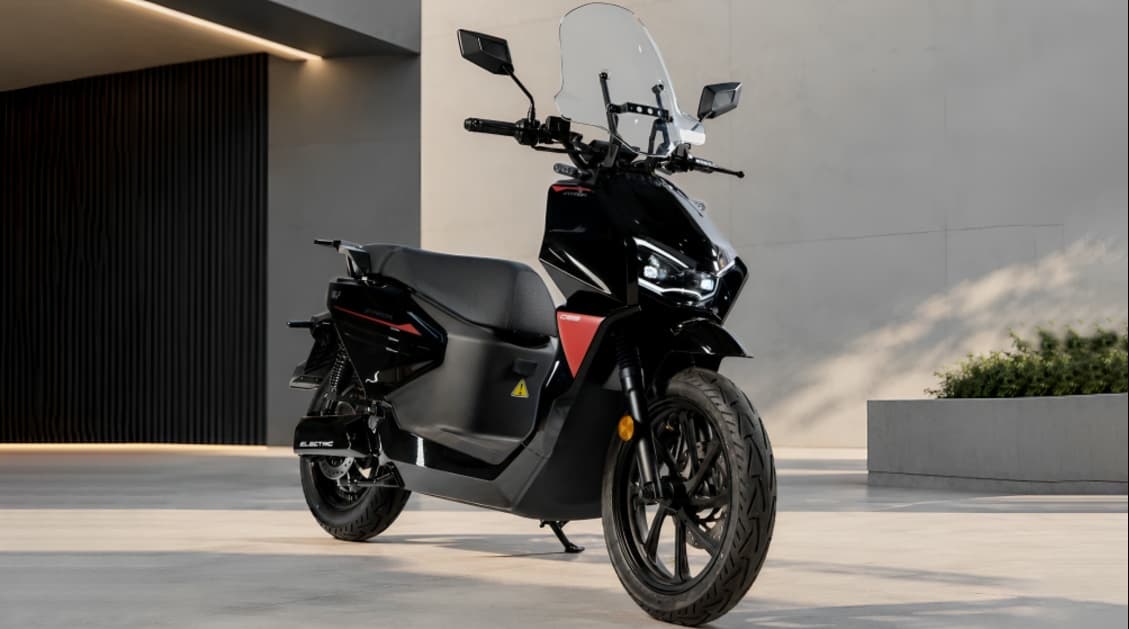
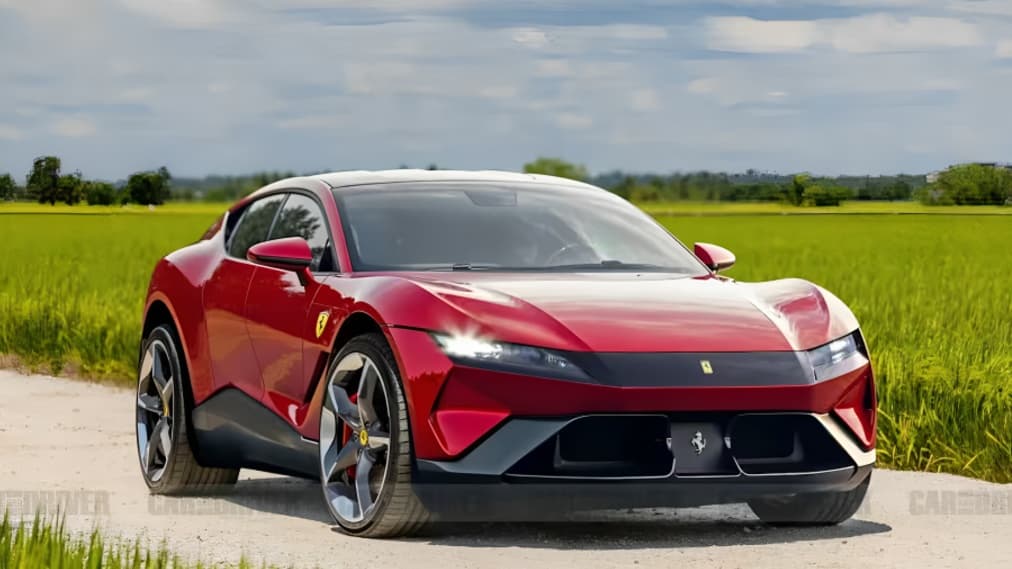
The Munich Auto Show, Europe’s largest automobile exhibition, has turned into a major stage for the growing rivalry between Chinese electric vehicle (EV) makers and established German automakers. This year’s event witnessed Chinese companies displaying a wide range of electric cars, signaling their determination to gain a foothold in one of the world’s most important car markets.
Germany has long been considered the powerhouse of the automobile industry, with brands like Volkswagen, BMW, and Mercedes-Benz dominating global markets. However, the rapid rise of Chinese EV manufacturers is beginning to disrupt the traditional balance. By offering electric vehicles that combine affordability with cutting-edge technology, Chinese companies are positioning themselves as serious competitors to Europe’s auto giants.
At the Munich Auto Show, visitors were introduced to several Chinese EV models that focused on design, battery efficiency, and digital features. These cars were not only competitively priced but also targeted at the growing European demand for clean and sustainable mobility. With European Union policies tightening on emissions and pushing for greener transport, the timing of this push could not be more critical.
German automakers, meanwhile, find themselves at a crossroads. While they have invested heavily in electric mobility, critics argue that they were late in adapting to the EV revolution compared to newer players. The presence of Chinese brands at such a prestigious European event has amplified concerns that Germany may be losing ground in a sector it once dominated.
Industry analysts suggest that Europe is becoming a key battleground in the global race for electric mobility. With increasing consumer interest in EVs and government policies favoring clean energy, competition is intensifying. If Chinese manufacturers succeed in capturing even a modest share of the European market, it could reshape the global automotive industry.
Chinese firms are also leveraging their expertise in battery technology, an area where they have significant advantages. By controlling much of the global supply chain for EV batteries, these companies are able to reduce costs and enhance performance, giving them an edge over some European competitors.
In response, German automakers are accelerating their electrification strategies. Volkswagen has announced ambitious plans to launch several new EV models in the coming years, while BMW and Mercedes-Benz are investing heavily in next-generation battery technology and digital driving systems. However, whether these efforts will be enough to fend off Chinese competition remains uncertain.
The Munich Auto Show highlighted not just the growing dominance of electric vehicles but also the shifting balance of power in the automobile industry. What was once an industry firmly led by European giants is now witnessing a new wave of global players challenging the status quo.
In conclusion, the strong presence of Chinese EVs at Munich’s auto show has sent a clear message: the future of mobility will be shaped by innovation, affordability, and sustainability. As competition heats up, the coming years will be decisive in determining whether Germany retains its leadership or cedes ground to China in the electric vehicle revolution.