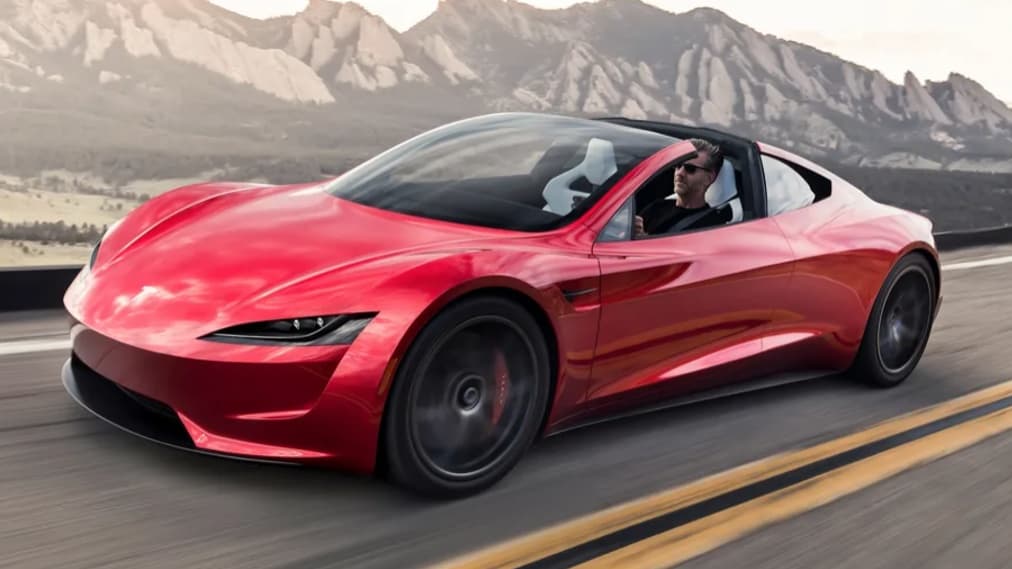
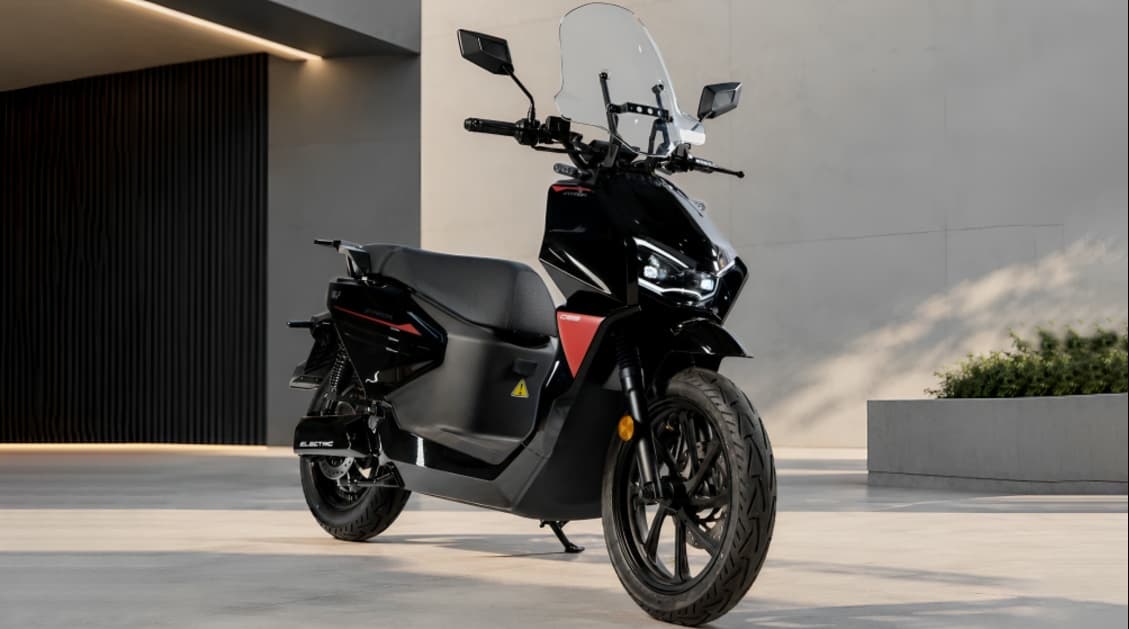
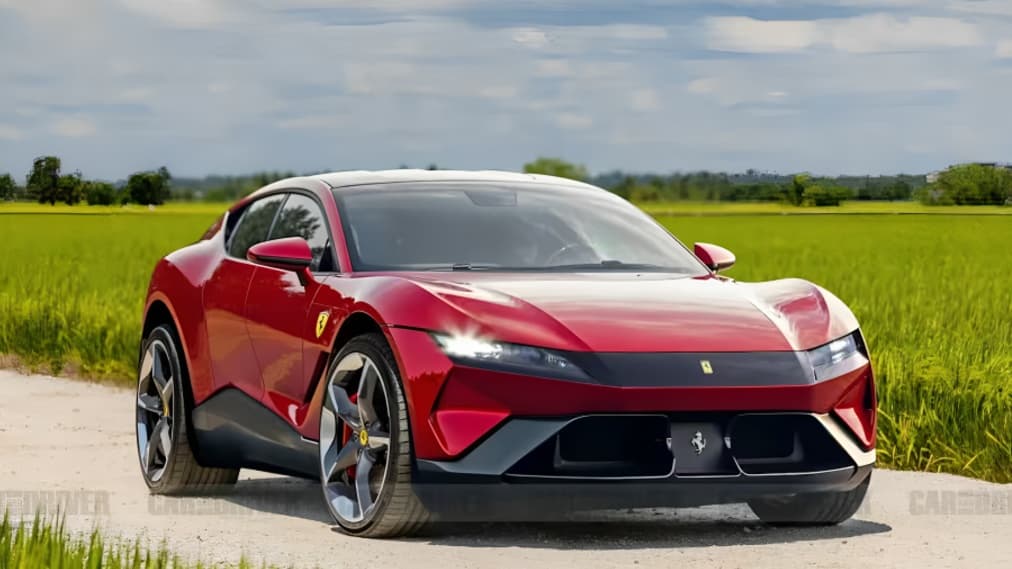
The rapid adoption of electric vehicles in India is changing the landscape of personal mobility. EVs offer significant benefits over traditional internal combustion engine vehicles, including lower running costs, environmental sustainability, and smoother driving experiences. However, many new EV owners are unaware that improper charging habits can compromise battery health, reduce efficiency, and even lead to premature replacement. Understanding how to charge an EV correctly is essential to maximize its performance and lifespan.
One of the most important practices is home charging. Installing a dedicated home charger provides convenience, control, and significant cost savings compared to public charging stations. Home chargers allow users to charge overnight at lower electricity rates, avoid waiting at crowded stations, and ensure consistent charging cycles. EV owners should invest in certified charging equipment and ensure proper installation for safety and reliability.
Overcharging is another common mistake. Lithium-ion batteries, commonly used in EVs, can degrade faster if constantly charged to 100% or left plugged in for prolonged periods. Experts recommend maintaining a charge level between 20% and 80% for daily use and reserving full charges for long trips. Similarly, using fast chargers excessively can generate heat and stress the battery, accelerating degradation. Moderate use of fast charging, complemented by regular home charging, helps balance convenience and battery longevity.
Battery health is also influenced by temperature. Extreme heat or cold can negatively affect performance and capacity. EV owners should park in shaded or temperature-controlled areas whenever possible and avoid charging in direct sunlight during hot conditions. Monitoring battery temperature through the vehicle’s software and following manufacturer recommendations can prevent long-term damage.
Additionally, owners should be aware of software updates and maintenance schedules provided by manufacturers. EVs rely heavily on battery management systems to optimize charging and energy use. Ignoring updates or delaying maintenance can reduce efficiency and affect overall performance.
In summary, while EVs present an eco-friendly and cost-effective alternative to conventional vehicles, their batteries require proper care to ensure longevity and optimal performance. Charging at home, avoiding excessive fast charging, maintaining proper battery levels, and protecting against extreme temperatures are crucial steps for any EV owner. Following these best practices helps save money, extends battery life, and ensures that EVs remain a practical, sustainable choice for modern transportation in India.