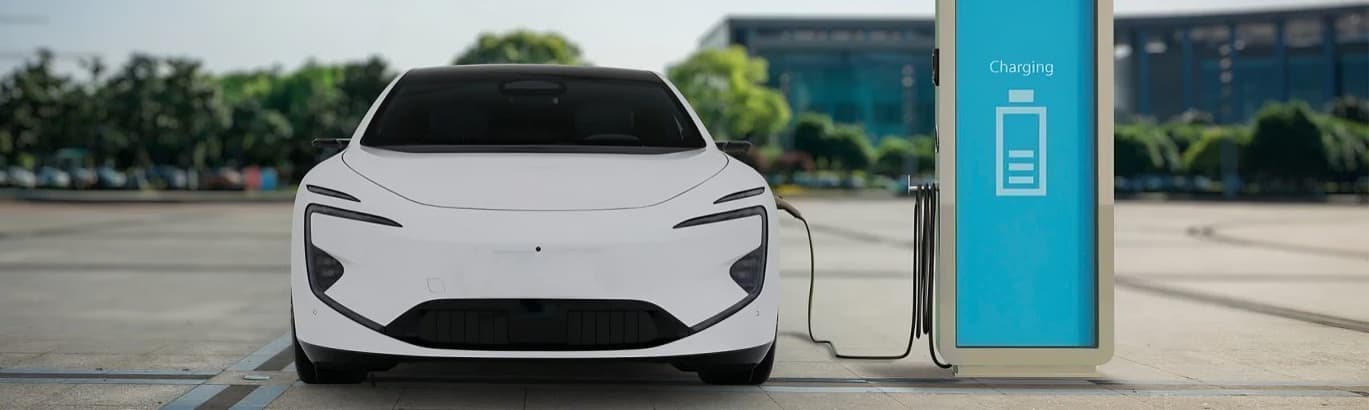
Electric vehicles (EVs) are becoming increasingly popular in India, offering consumers an eco-friendly alternative to traditional internal combustion engine vehicles and helping reduce fuel costs. However, as more people adopt EVs, improper charging practices are emerging as a common problem that can reduce battery efficiency, shorten battery life, and increase long-term ownership costs. Understanding smart charging habits is crucial for maximizing your EV’s lifespan and ensuring reliable performance.
One of the most important practices is charging at home. Using a dedicated home charger, installed either during or after the purchase of your EV, provides convenience and cost savings compared to public charging stations. Home charging allows you to charge your vehicle overnight or during low electricity tariff hours, reducing expenses while keeping your battery in optimal condition. It also offers greater control over charging speed, which is important for battery health.
Avoiding overcharging is another key aspect. Lithium-ion batteries, which power most EVs, degrade faster if consistently charged to 100%. Many EVs now offer settings to limit maximum charge to around 80–90% for daily use, reserving full charges only for long trips. Similarly, letting the battery level drop too low can harm its longevity. Maintaining a moderate charge range, typically between 20% and 80%, is recommended for regular use.
Using fast chargers sparingly is advisable. While DC fast charging is convenient for long trips, frequent use generates heat and stresses the battery, potentially reducing its overall life. For routine daily charging, slower AC chargers are safer and more battery-friendly. Monitoring battery temperature during charging, especially in hot climates, also helps prevent damage.
Software updates and manufacturer guidelines should be followed closely. Most EV manufacturers provide specific instructions on charging, battery care, and maintenance to ensure optimal performance. Ignoring these recommendations can void warranties and accelerate battery degradation.
In addition to protecting your battery, smart charging habits can save money. Charging during off-peak electricity hours, taking advantage of incentives for EV charging, and avoiding unnecessary public fast-charging fees all reduce running costs. Over time, these small adjustments can significantly lower the total cost of ownership.
In conclusion, proper EV charging practices are essential for protecting your battery, ensuring efficient performance, and maximizing cost savings. Charging at home, avoiding overcharging, limiting fast-charger use, and following manufacturer instructions can extend the lifespan of your EV and provide a more reliable ownership experience. By adopting these habits, EV owners can enjoy the full benefits of electric mobility while minimizing expenses and battery-related issues.