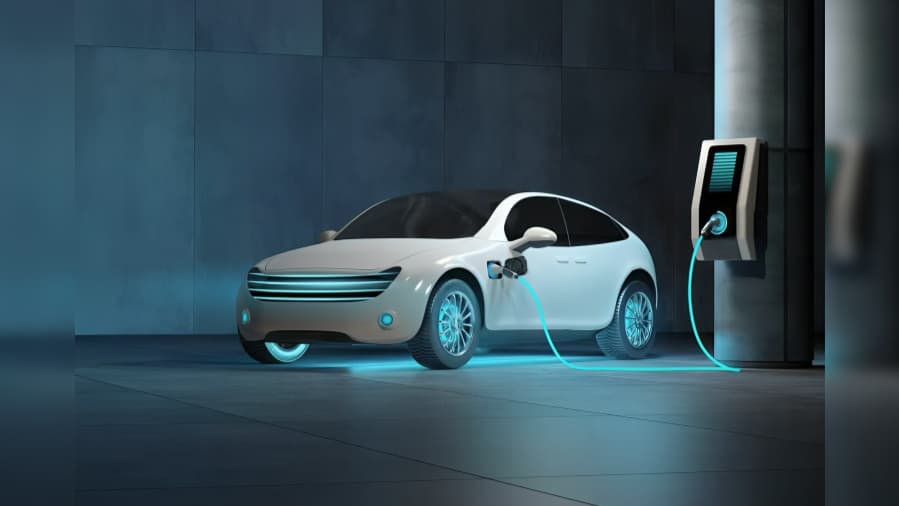
The Delhi government has unveiled its draft Electric Vehicle Policy for the period 2026 to 2030, outlining a comprehensive plan to promote clean mobility and reduce air pollution in the national capital. The proposed policy includes several incentives and regulatory measures aimed at encouraging the adoption of electric vehicles across different categories.
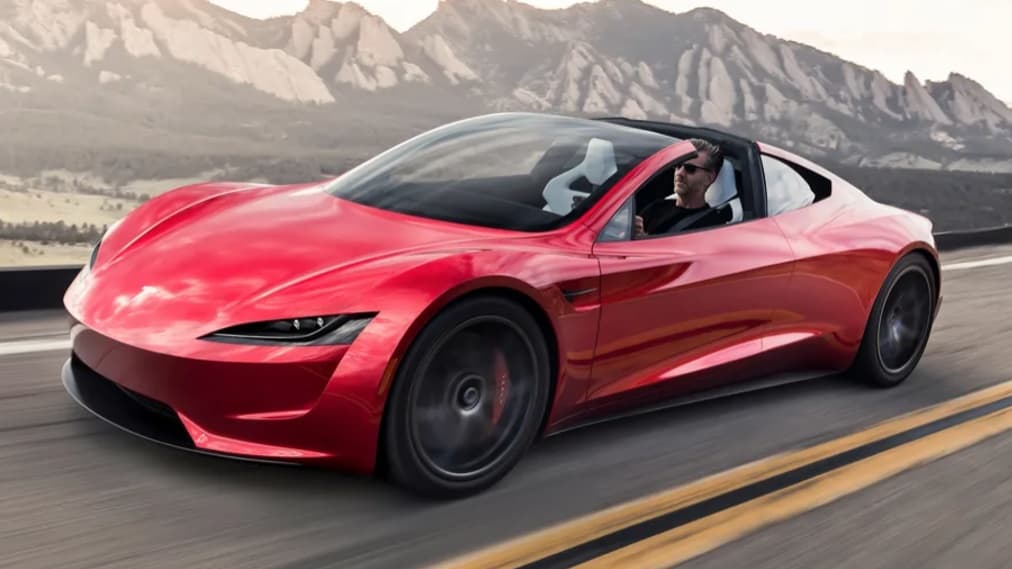
One of the key highlights of the draft policy is the proposal to provide a 100 percent road tax waiver for electric cars. This measure is intended to make electric vehicles more affordable and attractive to consumers. By reducing the overall cost of ownership, the government aims to accelerate the transition from conventional fuel based vehicles to electric alternatives.
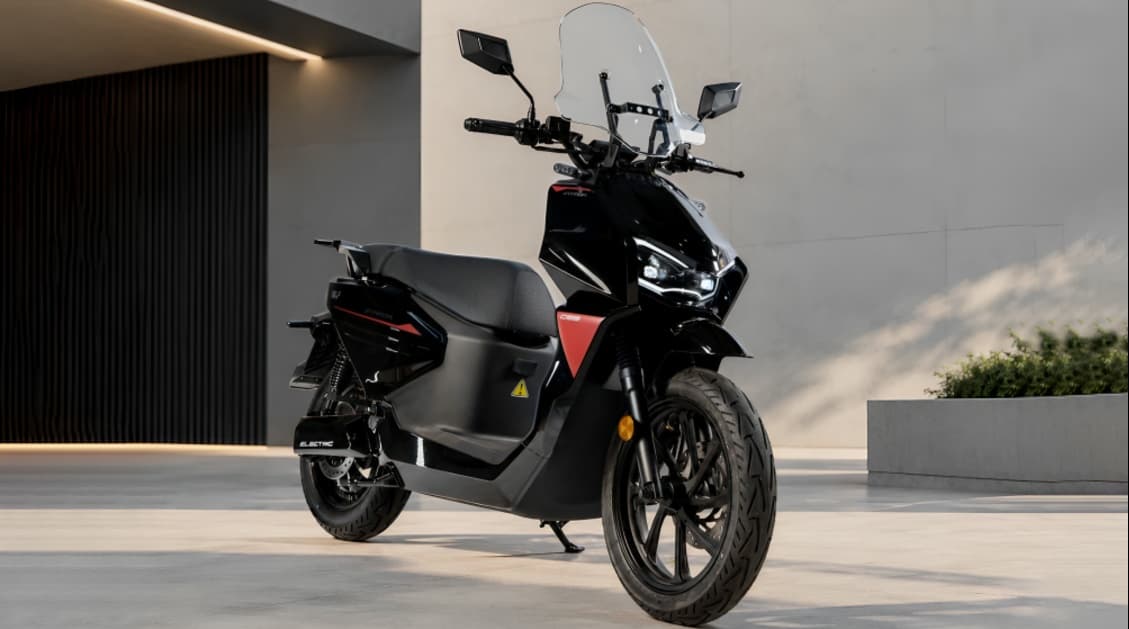
The policy also introduces new rules and guidelines for two wheelers three wheelers and four wheelers. These measures are designed to ensure that the adoption of electric vehicles is balanced and covers all segments of transportation. Authorities are focusing on creating a supportive ecosystem that includes infrastructure development, financial incentives, and regulatory support.
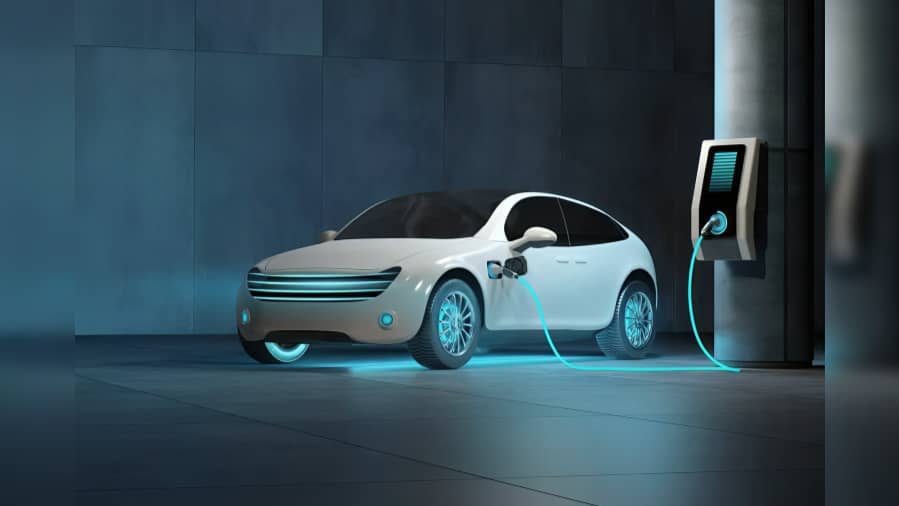
Improving charging infrastructure is a major component of the policy. The government plans to expand the network of charging stations across the city to address one of the key challenges faced by EV users. Easy access to charging facilities is expected to increase consumer confidence and encourage more people to switch to electric vehicles.
In addition to infrastructure, the policy emphasizes the importance of sustainability and environmental protection. By promoting the use of electric vehicles, the government aims to reduce emissions and improve air quality in Delhi, which has been facing significant pollution challenges for several years.
The draft policy also highlights the role of public transport in achieving environmental goals. Efforts are being made to integrate electric vehicles into the public transportation system, including buses and shared mobility services. This approach is expected to have a broader impact on reducing overall emissions.
Officials have stated that the draft policy has been released for public consultation. Stakeholders, including industry representatives, environmental experts, and citizens, are encouraged to provide feedback. This process will help refine the policy and ensure that it addresses the needs and concerns of different groups.
Experts believe that such policies are essential for achieving long term sustainability goals. Transitioning to electric mobility requires coordinated efforts from government, industry, and consumers. Incentives like tax waivers, along with investments in infrastructure, play a crucial role in driving this transition.
The policy also aligns with broader national and global efforts to reduce carbon emissions and promote clean energy. By adopting electric vehicles, cities can contribute to environmental protection while also improving public health.
However, challenges remain in terms of implementation and adoption. Factors such as initial costs, availability of charging infrastructure, and consumer awareness need to be addressed effectively. The success of the policy will depend on how well these issues are managed.
In conclusion, the Delhi Draft EV Policy 2026 to 2030 represents a significant step towards promoting sustainable transportation. With incentives like road tax waivers and a focus on infrastructure development, the policy aims to encourage the widespread use of electric vehicles. Public feedback and effective implementation will be key to achieving its objectives and improving the city’s environmental conditions.