We will explore the benefits of these subsidies, their impact on the EV market, and the long-term implications for environmental sustainability.
Promoting Sustainable Transportation
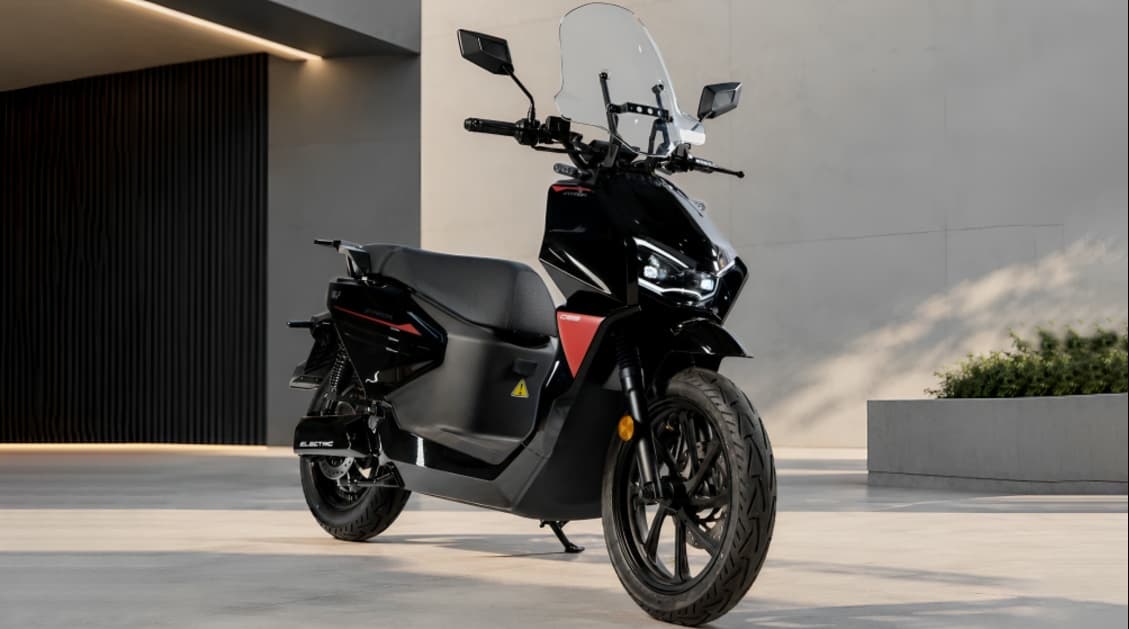
The extension of subsidies for electric two-wheelers and three-wheelers underscores the government's commitment to promoting sustainable transportation. These subsidies make electric vehicles more affordable for consumers, encouraging wider adoption. By reducing the upfront cost of electric scooters, motorcycles, and auto-rickshaws, the government aims to make green mobility accessible to a larger segment of the population. This, in turn, helps to reduce the carbon footprint and mitigate the adverse effects of air pollution in urban areas.
Boosting the Electric Vehicle Market
The extended subsidies are expected to give a significant boost to the electric vehicle market. By making electric two-wheelers and three-wheelers more economically viable, manufacturers can expect increased demand for their products. This can lead to higher production volumes, economies of scale, and ultimately lower prices for consumers. The growth in the EV market also stimulates innovation and competition among manufacturers, driving further advancements in technology and performance.
Economic and Environmental Benefits
The economic benefits of extending subsidies for electric two-wheelers and three-wheelers are manifold. For consumers, the lower cost of ownership makes EVs an attractive alternative to traditional petrol and diesel vehicles. Additionally, the operational cost of electric vehicles is significantly lower due to reduced fuel and maintenance expenses. This can lead to long-term savings for individuals and businesses that rely on two and three-wheelers for transportation and logistics.
From an environmental perspective, the increased adoption of electric vehicles can lead to a substantial reduction in greenhouse gas emissions and air pollutants. Electric vehicles produce zero tailpipe emissions, which helps to improve air quality and public health in densely populated urban areas. By supporting the transition to cleaner modes of transportation, the government is taking a crucial step towards achieving its climate goals and promoting environmental sustainability.
Challenges and Future Outlook
While the extension of subsidies is a positive development, there are challenges that need to be addressed to ensure the long-term success of the EV market. One of the primary challenges is the development of adequate charging infrastructure. To support the growing number of electric vehicles, investments in charging stations and battery-swapping facilities are essential. Additionally, raising awareness about the benefits of electric vehicles and addressing consumer concerns about range and reliability are critical for driving adoption.
Looking ahead, the extension of subsidies until September 2024 provides a window of opportunity for both consumers and manufacturers to embrace electric mobility. It sets the stage for continued growth and innovation in the EV sector. As technology advances and production scales up, the cost of electric vehicles is expected to decrease further, making them even more competitive with traditional vehicles.
Conclusion
The extension of subsidies for electric two-wheelers and three-wheelers until September 2024 is a significant step towards promoting sustainable transportation in India. By making electric vehicles more affordable and accessible, the government is encouraging their widespread adoption, which will have positive economic and environmental impacts. While challenges remain, the future outlook for the EV market is promising, with the potential for substantial growth and innovation. This move aligns with broader efforts to reduce pollution, combat climate change, and promote a cleaner, greener future for all.