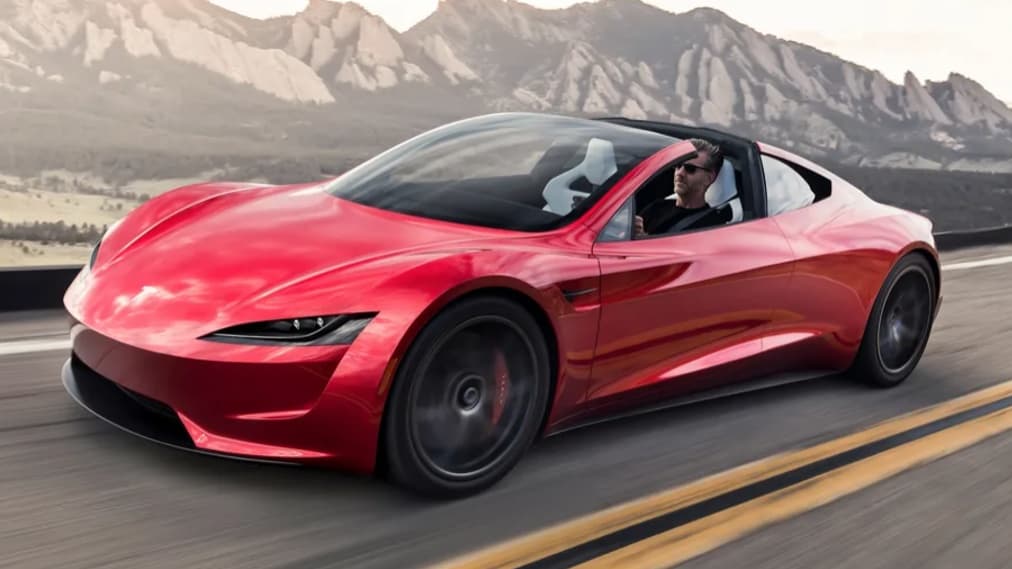
Electric vehicles (EVs) are now more affordable than ever, a result of significant advancements in technology, increased production, and competitive market dynamics. As prices drop and incentives rise, the automotive landscape is evolving, making EVs an increasingly attractive option for a broad spectrum of car buyers. However, several factors need to be considered to determine if EVs can truly win over car buyers en masse.
Decreasing Costs and Incentives
The cost of EVs has been steadily declining due to technological advancements, particularly in battery production. The price of lithium-ion batteries, a major component of EVs, has fallen dramatically over the past decade. This reduction has made EVs more accessible to average consumers. Additionally, many governments offer incentives such as tax credits, rebates, and subsidies, which further reduce the effective purchase price of EVs. These financial incentives make EVs competitive with traditional gasoline vehicles.
Addressing Range Anxiety and Expanding Charging Infrastructure
Range anxiety, the fear of running out of battery power on long trips, has been a significant barrier to EV adoption. However, modern EVs offer significantly improved driving ranges, often exceeding 300 miles on a single charge. This enhancement alleviates many concerns about long-distance travel.
Moreover, the expansion of charging infrastructure is critical. Fast-charging stations are becoming more common, especially in urban areas and along major highways. Companies and governments are investing heavily in expanding these networks, making it easier for EV owners to find convenient charging locations. The development of home charging solutions also contributes to easing range anxiety, allowing owners to charge their vehicles overnight.
Lower Total Cost of Ownership
One of the major advantages of EVs is their lower total cost of ownership. EVs generally require less maintenance than internal combustion engine (ICE) vehicles due to fewer moving parts and simpler drivetrains. Routine maintenance tasks like oil changes are eliminated, and wear-and-tear on components like brakes is reduced thanks to regenerative braking systems.
In addition to maintenance savings, EVs offer significant fuel savings. Electricity is often cheaper than gasoline or diesel, leading to lower fuel costs over the vehicle’s lifetime. These factors combine to make EVs economically attractive in the long run, despite potentially higher upfront costs.
Environmental and Sustainability Benefits
Environmental concerns are driving many consumers towards EVs. EVs produce zero tailpipe emissions, reducing air pollution and greenhouse gas emissions. This benefit is particularly appealing in urban areas with high levels of air pollution. Additionally, many car manufacturers are focusing on sustainability throughout the vehicle's lifecycle, from responsible sourcing of materials to recycling programs for batteries.
Technological Advancements and Features
EVs are often at the forefront of automotive technology, offering innovative features that appeal to tech-savvy consumers. Advanced driver-assistance systems (ADAS), state-of-the-art infotainment options, and connectivity features are commonly found in EVs. Continuous improvements in battery technology also lead to faster charging times, longer battery lifespans, and better performance in extreme temperatures.
Consumer Education and Perception
Educating consumers about the benefits and practicality of EVs is essential. Many potential buyers still have misconceptions about EVs, such as limited range or inadequate charging infrastructure. Awareness campaigns, test drives, and firsthand experiences can help dispel these myths and showcase the advantages of EV ownership.
Diverse Market Offerings
The EV market is expanding rapidly, with a wide range of models available to suit different preferences and needs. From compact cars and sedans to SUVs and trucks, there is an EV option for nearly every type of driver. Established car manufacturers are entering the EV market alongside new players like Tesla, providing consumers with a variety of choices and building trust in the technology.
Remaining Challenges
Despite the numerous benefits and advancements, challenges remain. The initial purchase price of EVs, although decreasing, can still be higher than comparable gasoline vehicles. Ensuring widespread availability of charging infrastructure, especially in rural areas, is crucial for broader adoption. Additionally, managing the environmental impact of battery production and disposal is an ongoing concern that needs to be addressed sustainably.
Conclusion
Electric vehicles are more affordable and advanced than ever before, offering numerous benefits that appeal to a wide range of car buyers. While there are challenges to overcome, the combination of lower costs, improved technology, environmental benefits, and supportive policies creates a compelling case for EV adoption. The automotive industry is on the cusp of a significant shift, and with continued advancements and consumer education, EVs are well-positioned to win over car buyers and drive the future of transportation.