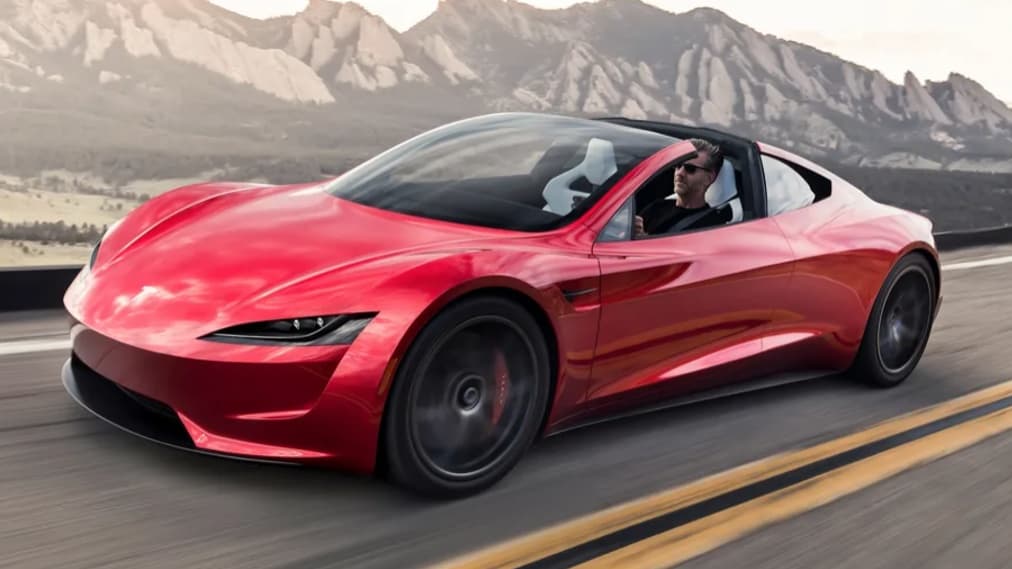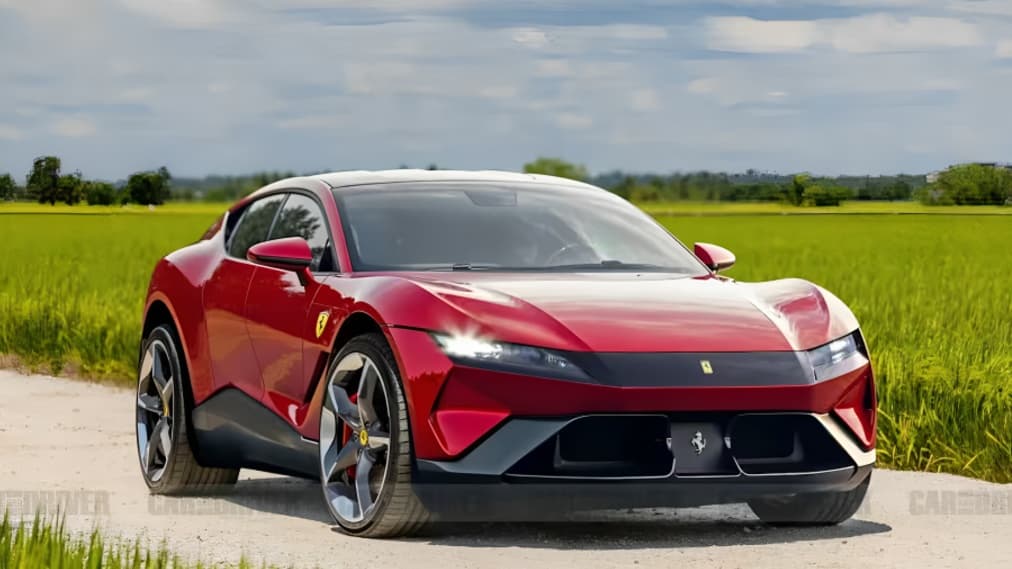
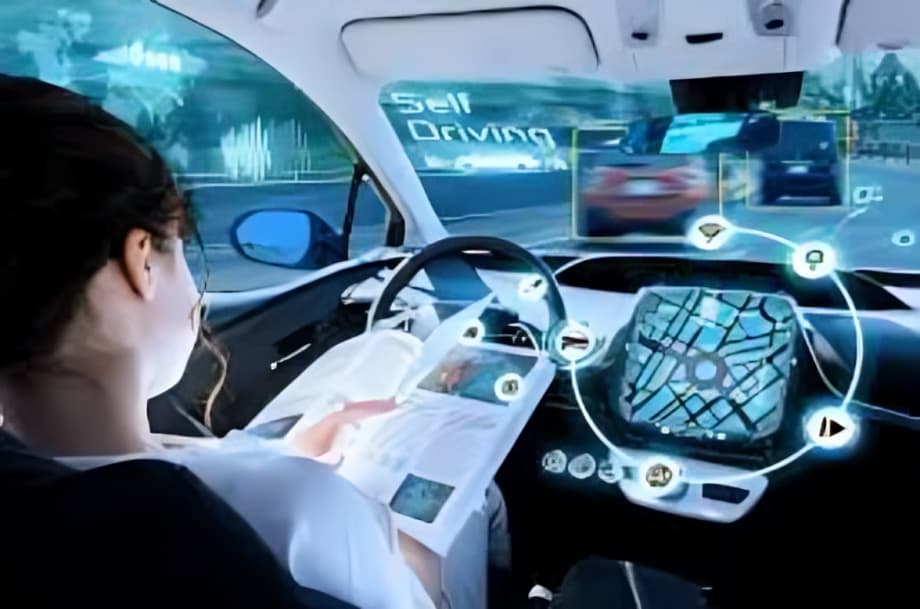
The global automotive sector is entering a new phase of innovation, with 2026 expected to bring significant technological advancements that will reshape the driving experience. As vehicles become more intelligent, connected, and environmentally efficient, automakers are increasingly relying on artificial intelligence, advanced software, and smart hardware integration.
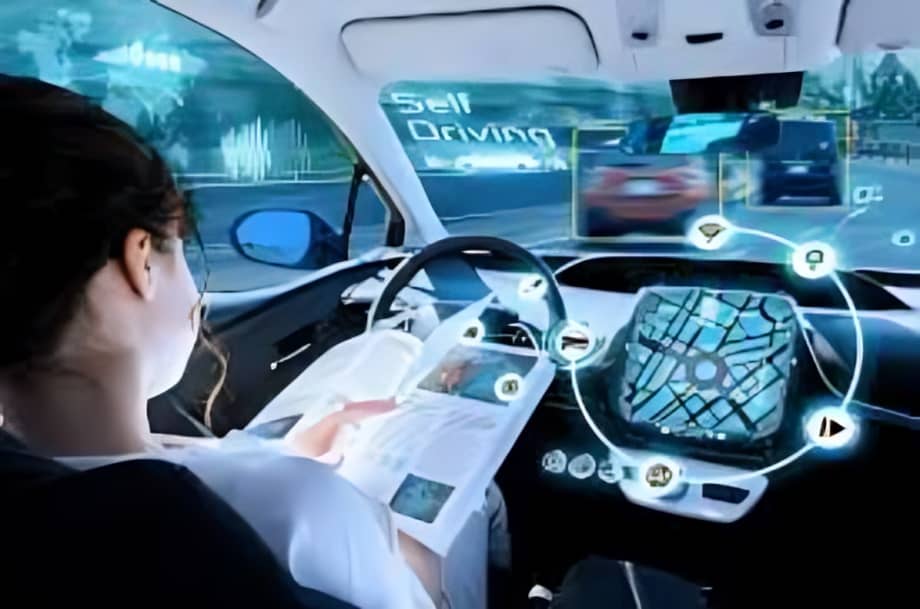
One of the most prominent developments expected in 2026 is the rise of AI-driven driver assistance systems. These systems go beyond traditional features like adaptive cruise control and lane assistance. AI-powered technologies will enable vehicles to analyse real-time traffic conditions, predict driver behaviour, and provide proactive safety alerts. While fully autonomous driving may still be limited, semi-autonomous features are expected to become more reliable and widely available across mid-range vehicles.
Connected car technology is also set to advance significantly. Vehicles in 2026 will increasingly function as part of a broader digital ecosystem, integrating seamlessly with smartphones, smart homes, and cloud-based platforms. Over-the-air software updates will become standard, allowing manufacturers to improve vehicle performance, add features, and fix issues without requiring service centre visits. This shift toward software-defined vehicles will extend the lifespan and value of modern cars.
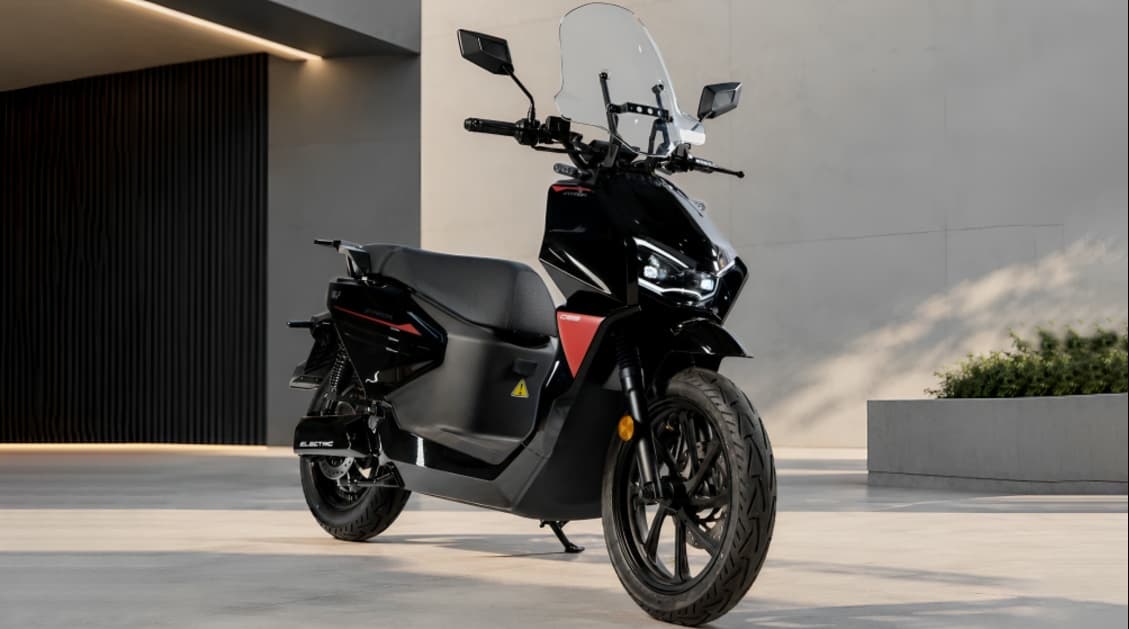
Electric vehicles are expected to become smarter and more efficient with improvements in battery technology and energy management systems. Advances in battery chemistry could lead to faster charging times and improved driving range. AI-based energy optimisation will help vehicles adapt power usage based on driving patterns, terrain, and weather conditions, making EVs more practical for everyday use in India.
Another key trend is the growth of in-car AI assistants. These digital co-drivers will offer voice-controlled navigation, climate control, entertainment, and vehicle diagnostics. Unlike basic voice commands, next-generation assistants will understand context, learn user preferences, and provide personalised recommendations. This technology aims to reduce driver distraction while enhancing convenience and comfort.
Vehicle-to-everything communication is also expected to gain momentum. This technology allows vehicles to communicate with traffic signals, road infrastructure, and other vehicles to improve traffic flow and reduce accident risks. In urban areas, vehicle-to-infrastructure systems could help manage congestion and provide real-time route optimisation.
Cybersecurity and data protection will become increasingly important as vehicles rely more on software and connectivity. Automakers are investing in robust security frameworks to protect vehicle systems from cyber threats and ensure the safety of user data.
In India, these technological advancements align with the government’s focus on digital infrastructure, electric mobility, and road safety. As regulations evolve and consumer awareness grows, the adoption of smart automotive technologies is expected to accelerate.
Overall, 2026 is shaping up to be a landmark year for the automotive industry, where smarter cars and AI-driven systems will redefine mobility, safety, and the overall driving experience.