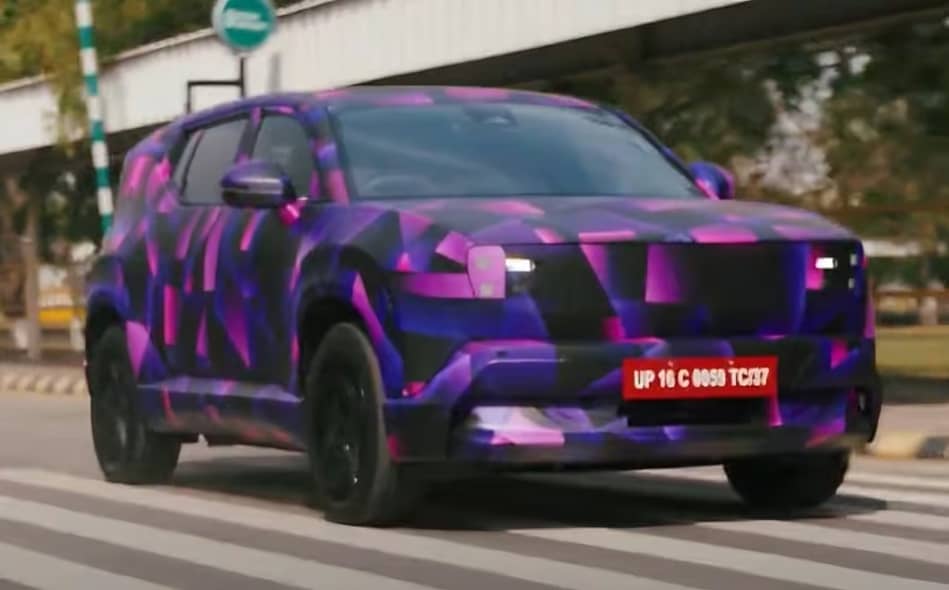
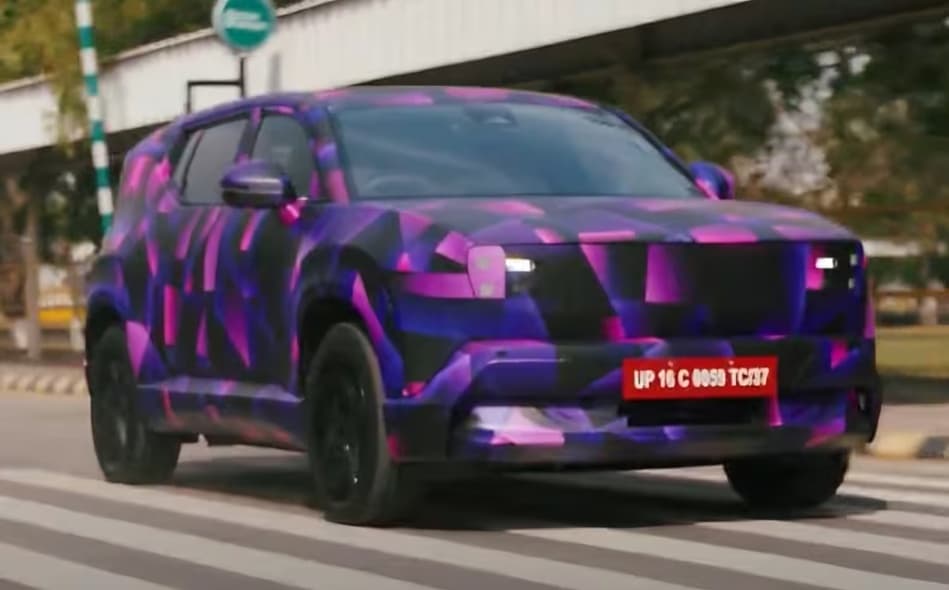
Honda has taken a significant step towards entering India’s electric vehicle market by commencing testing of its upcoming electric SUV, the Honda O Alpha. The move signals the company’s intent to establish a presence in one of the fastest growing EV markets globally. However, industry observers believe that success in this segment will depend on several critical factors beyond brand reputation.
India’s EV market has seen rapid growth in recent years, driven by rising fuel costs, government incentives, and increasing environmental awareness. While Honda enjoys strong brand recognition in the internal combustion engine segment, the transition to electric mobility presents a different set of challenges that require careful planning and execution.
One of the most important aspects for the success of the Honda O Alpha will be competitive pricing. The Indian market is highly price sensitive, and electric vehicles are often perceived as expensive compared to traditional petrol and diesel models. To attract a wide range of buyers, Honda will need to position the SUV at a price point that offers value while remaining competitive with existing EV options.
Another key factor is driving range and battery performance. Consumers in India prioritise vehicles that can offer a reliable range on a single charge, especially given concerns about charging infrastructure in certain regions. The O Alpha will need to deliver a practical range suitable for both city commutes and longer journeys to gain customer confidence.
Charging infrastructure and support services will also play a crucial role. Although the EV ecosystem in India is expanding, access to charging stations remains uneven across different regions. Honda may need to invest in partnerships or support networks to ensure that customers have convenient charging solutions. This could include fast charging compatibility and home charging options.
Feature offerings and technology integration will be equally important. Modern EV buyers expect advanced infotainment systems, connected car technology, and high safety standards. To compete effectively, the Honda O Alpha will need to offer a feature rich package that aligns with consumer expectations in the premium SUV segment.
After sales service and long term reliability are additional considerations. Honda has built a reputation for reliability in conventional vehicles, and maintaining that trust in the EV segment will be essential. Customers will look for strong warranty packages, battery support, and accessible service networks before making a purchase decision.
The competitive landscape is another factor that Honda must navigate carefully. Several manufacturers have already established a presence in India’s EV segment, offering a range of models across different price points. Entering this market requires not only a strong product but also a clear strategy to differentiate from competitors.
Overall, the testing of the Honda O Alpha marks an important milestone for the company’s electric mobility plans in India. While the opportunity is significant, success will depend on how effectively Honda addresses key factors such as pricing, range, infrastructure, features, and customer support. As the EV market continues to evolve, the performance of new entrants like Honda will be closely watched by industry experts and consumers alike