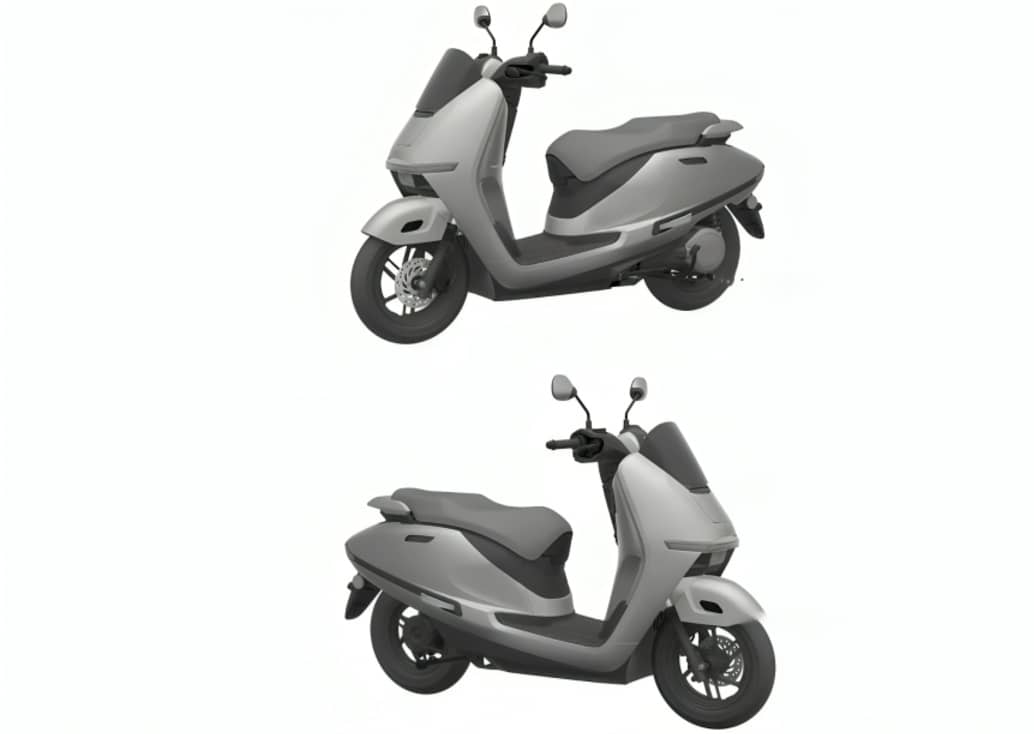
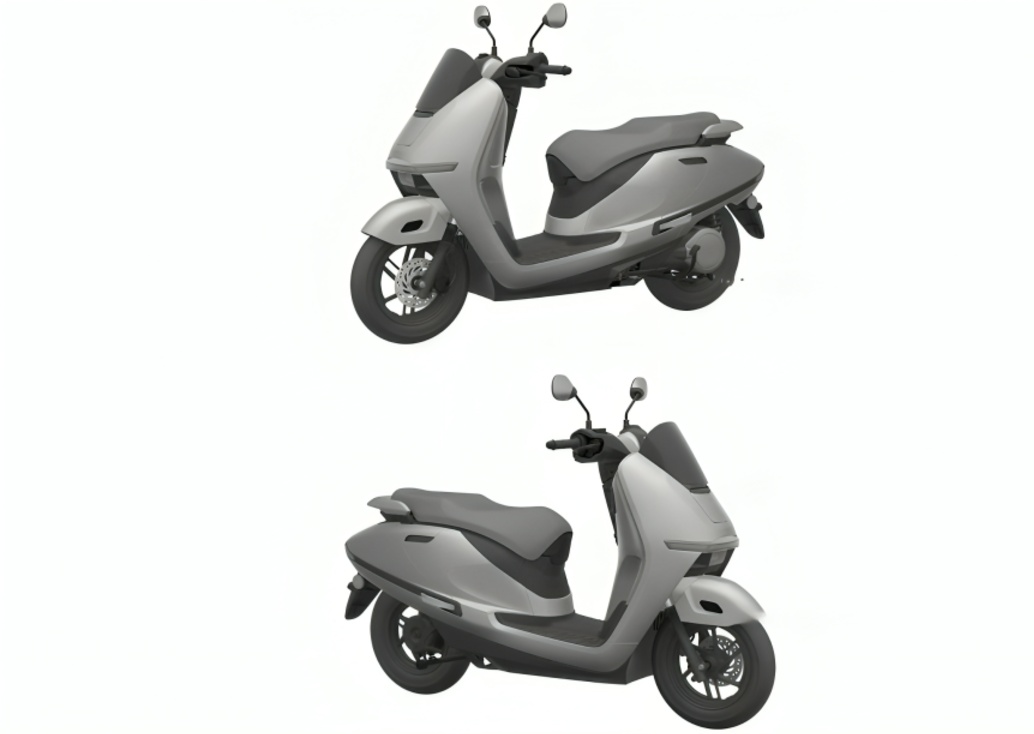
Honda has filed a design patent for its UC3 electric scooter in India, creating speculation that the Japanese two wheeler manufacturer could expand its electric scooter portfolio in the country. However, the patent filing by itself does not confirm that Honda will launch the UC3 in India. The company has previously patented products in India primarily to protect their designs and intellectual property.
The Honda UC3 is already sold in markets including Thailand and Vietnam. Its Indian patent therefore provides an indication of Honda's interest in protecting the model's design in the country, but an official launch announcement is still awaited.
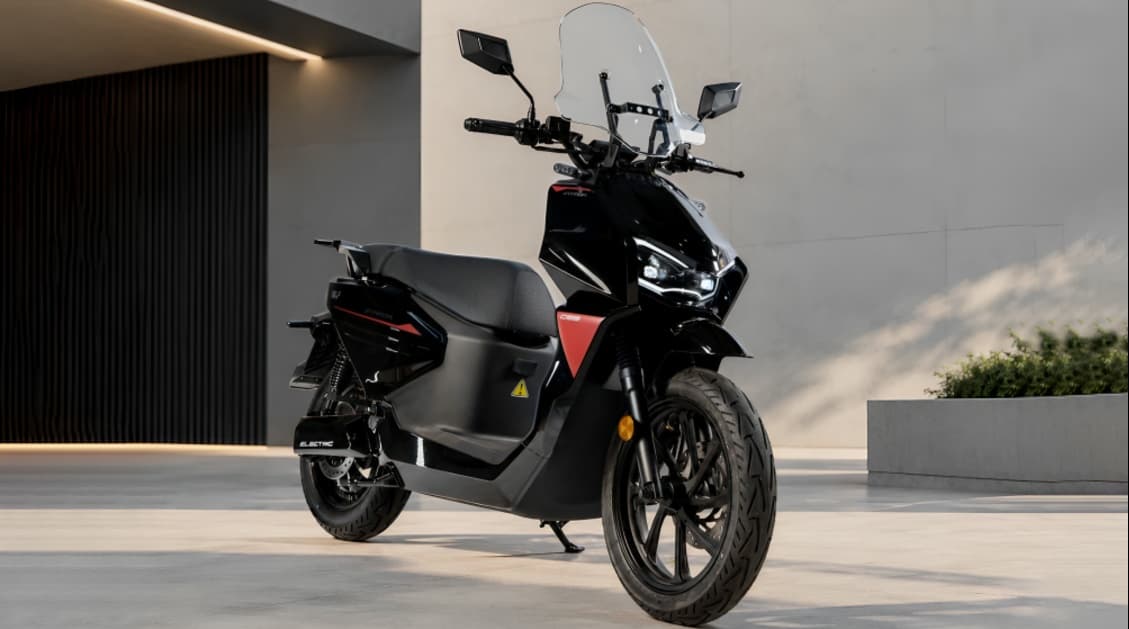
The UC3 has a distinctive design that combines elements of a maxi scooter with neo retro styling. The front section has a larger scooter inspired appearance, while the side panels, seat and rear section feature a more conventional retro influenced design.
At the front, the scooter features LED daytime running lights and LED lighting elements. Its overall design is intended to provide a more premium appearance compared with some conventional commuter focused electric scooters.
One of the key features of the UC3 is its battery technology. The model uses a fixed lithium iron phosphate battery, commonly known as an LFP battery. According to reports on the overseas model, the battery has a capacity of 3.2 kWh and provides a claimed maximum range of up to 122 km on a full charge.
The claimed range figure is based on testing conditions in the market where the scooter is sold. Actual range in everyday riding can vary depending on factors such as traffic, rider weight, speed, road conditions, temperature and riding style.
The use of LFP battery technology is significant because it differs from the battery chemistry used in some of Honda's other electric scooters. LFP batteries are widely used in electric vehicles because of their durability and thermal characteristics.
The UC3 is powered by an electric motor with a peak output reported at around 6 kW. Different reports have cited different performance specifications for the model. Some reports covering the Thailand and Vietnam version state an 80 kmph top speed, while Autocar India has reported a 120 kmph figure for another specification. Therefore, the exact performance specification that would apply to an Indian version, if launched, remains unconfirmed.
The scooter is equipped with three riding modes designed for different riding conditions. These include Econ, Standard and Sport modes. A reverse assist function is also available, which can make it easier to move the scooter in tight parking areas.
The UC3 also features a five inch TFT instrument display. Depending on the market specification, the display is integrated with Honda RoadSync connectivity features. The scooter is also reported to offer traction control and regenerative technology.
Storage space is another practical feature. The overseas model offers approximately 26 litres of under seat storage, providing room for everyday items and other belongings. The scooter uses 12 inch wheels at both ends.
Charging specifications also vary by market. Reports indicate support for charging at up to 1,200 watts, while the overseas model can take longer to charge when using a lower powered charger. These figures would need to be confirmed for any Indian specification.
Honda's move comes at a time when India's electric two wheeler market is becoming increasingly competitive. Several manufacturers have expanded their electric scooter portfolios, while consumers are becoming more familiar with battery powered mobility.
Honda has already explored electric scooters in India, but its presence in the country's electric two wheeler segment remains smaller than that of several established competitors. The company has been working on additional electric models as it seeks to strengthen its position in the growing market.
The UC3 could potentially offer Honda another option if the company decides to introduce it locally. Its combination of a fixed battery, relatively large scooter design, claimed 122 km range and multiple riding modes could position it differently from smaller urban electric scooters.
However, several factors would need to be considered before an Indian launch. These include pricing, battery localisation, charging infrastructure, manufacturing strategy and compliance with Indian regulations.
A patent should not automatically be interpreted as a confirmation of an upcoming product launch. Manufacturers regularly file patents in different markets to protect intellectual property and designs, even when there are no immediate plans to sell a particular model there.
For this reason, Honda's Indian patent for the UC3 should currently be viewed as an indication of potential interest rather than an official launch announcement.
If Honda eventually introduces the UC3 in India, the company could make changes to its specifications to suit local market requirements. Battery capacity, motor output, range, charging equipment and other equipment could differ from the versions currently sold in Thailand and Vietnam.
The scooter's pricing would also play an important role in determining its competitiveness. India's electric scooter market includes models across several price categories, making value for money a major consideration for buyers.
The UC3's design could appeal to customers looking for a larger and more distinctive electric scooter rather than a basic commuter model. Its storage capacity, riding modes, connected display and reverse assist could further increase its appeal among urban riders.
At present, Honda has not confirmed a launch date, India specific pricing or final specifications for the UC3.
The Indian patent nevertheless adds another development to Honda's electric vehicle strategy. As competition in India's electric two wheeler market continues to grow, manufacturers are expected to introduce more models with improved range, battery technology, connectivity and performance.
For Honda, the UC3 could become an important addition to its electric scooter portfolio if the company decides to bring the model to India.
Until an official announcement is made, consumers should treat the Indian launch as a possibility rather than a confirmed plan. The patent confirms protection of the design in India, while the scooter's overseas specifications provide an indication of what the model could offer if it eventually enters the Indian market.