India’s electric vehicle (EV) sector could witness transformative growth over the next decade, potentially resulting in over 123 million EVs on the road by 2032, according to a recent report by the India Energy Storage Alliance (IESA). This optimistic estimate, labeled as a best-case scenario, reflects the increasing demand for clean mobility solutions, ongoing technological advancements, and supportive government initiatives.
The IESA’s “EV Market Overview Report” provides a comprehensive outlook on the growth trajectory of the EV ecosystem in India, including two-wheelers, three-wheelers, passenger cars, and commercial vehicles. The report outlines various scenarios based on current and projected trends in policy, industry investment, infrastructure development, and consumer adoption.
Key Projections:
Total EVs by 2032: Up to 123 million units in the best-case scenario.
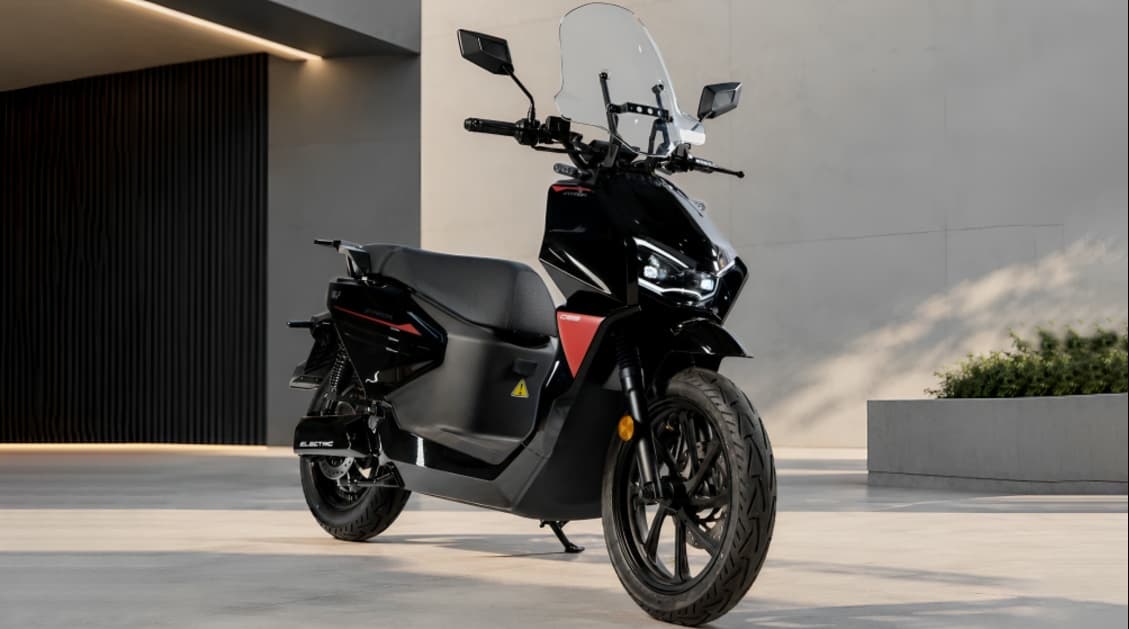
Two-Wheelers: The segment is expected to dominate with over 80 million units due to affordability and increasing urban demand.
Three-Wheelers and Light Commercial Vehicles: Expected to grow significantly due to fleet electrification in logistics and urban mobility.
Passenger Cars: Moderate growth is projected, with rising interest among middle-class consumers and the launch of affordable models.
Charging Infrastructure: Over 2 million public and semi-public charging stations may be needed to support the EV surge.
Factors Driving EV Growth
Policy Support: Government initiatives like FAME II (Faster Adoption and Manufacturing of Electric Vehicles in India) and state-level EV policies have encouraged both consumers and manufacturers to embrace electric mobility.
Technological Advancements: Improvements in battery performance, declining battery costs, and domestic battery production are contributing to increased EV affordability.
Private Sector Investments: Major automobile and energy companies are expanding their EV portfolios and charging networks.
Environmental Awareness: Rising concern about pollution and climate change has pushed more consumers and fleet operators to switch to electric vehicles.
Challenges to Address
Despite the positive outlook, the report also highlights several hurdles that need to be tackled:
Charging Infrastructure: There is a pressing need to scale up public charging stations in urban and rural areas.
Battery Supply Chain: India must invest in local battery manufacturing and raw material sourcing to reduce dependence on imports.
Grid Readiness: The power grid must be upgraded to handle additional EV-related demand, particularly in peak urban areas.
Awareness and Financing: Consumer education and financing support are essential to boost adoption, especially in tier-2 and tier-3 cities.
Conclusion
The IESA report underscores that while 123 million EVs by 2032 is an ambitious target, it is achievable with sustained efforts from government, industry, and consumers. If realized, this transition could significantly reduce greenhouse gas emissions, lower fossil fuel dependence, and position India as a global leader in the electric mobility revolution.