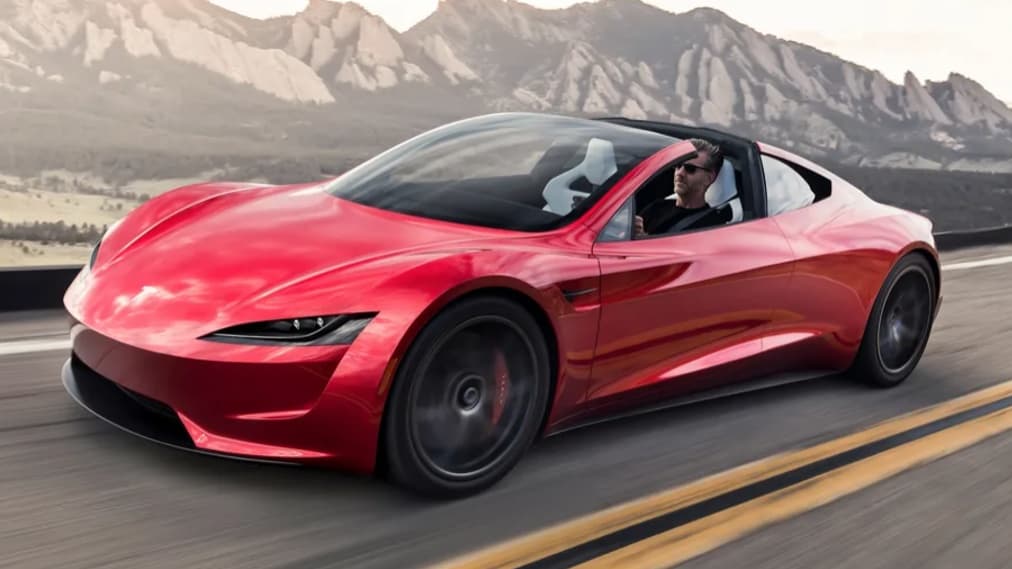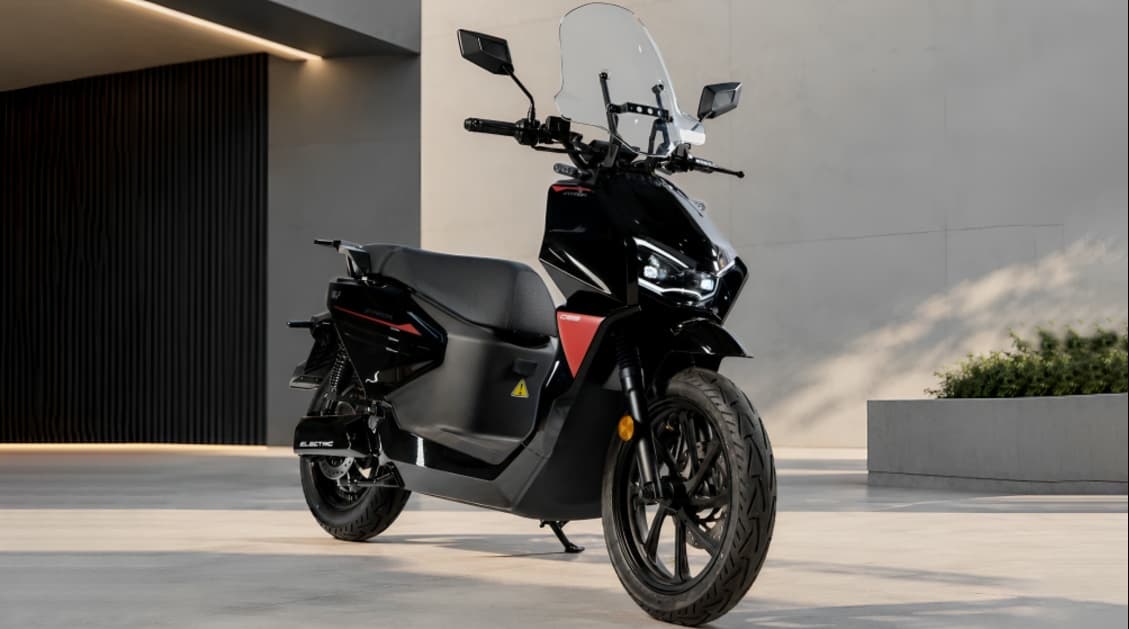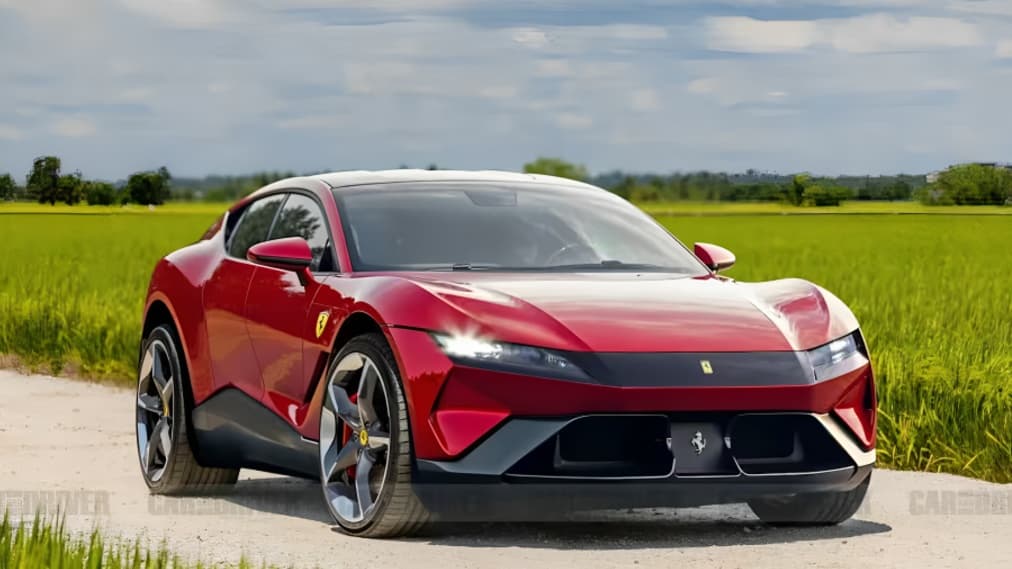
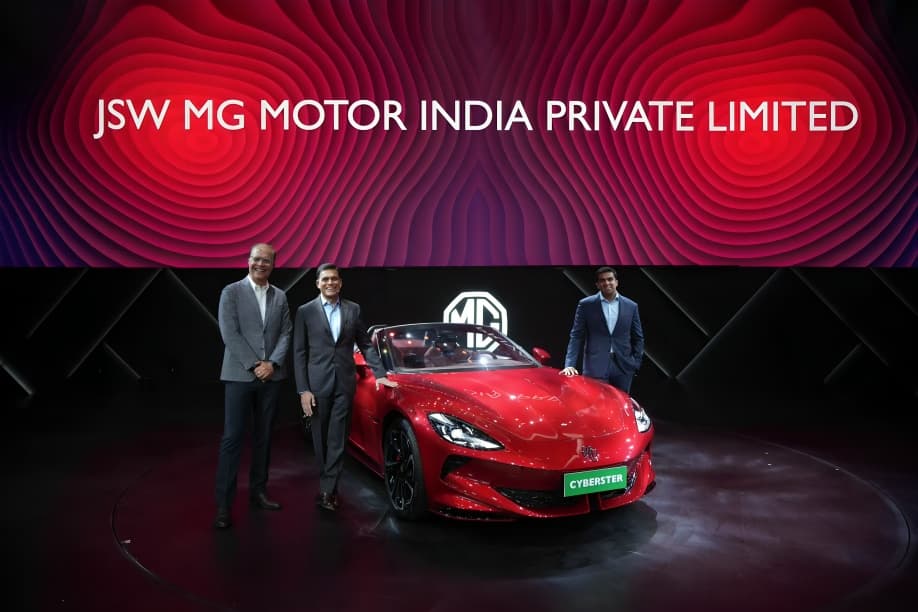
JSW Group is gearing up to enter India’s automobile sector with its own independent brand, emphasising a strategy centred on electric vehicles (EVs) and hybrid technology. The development marks a significant step for the industrial conglomerate as it seeks to expand its footprint beyond existing partnerships and carve out a direct presence in the competitive passenger vehicle market.
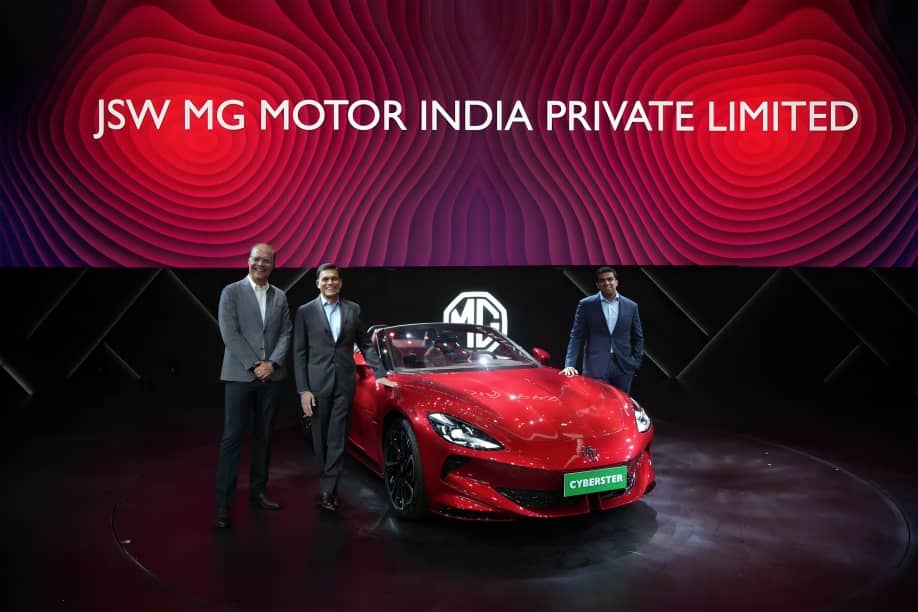
The announcement comes even as JSW Group maintains a successful joint association with MG Motor India. While the partnership with MG has contributed to JSW’s experience in automotive distribution and operations, the company’s latest initiative reflects a broader ambition to establish its own automotive identity. In recent weeks JSW has placed advertisements in leading national newspapers inviting dealership applications, signalling an early push to build a retail network across key regions of the country.
The move aligns with JSW Motors’ strategy to focus on electrified mobility solutions, which include both battery electric vehicles and hybrid variants. With India’s automobile market increasingly shifting toward sustainable mobility and stricter emission norms, the introduction of EVs and hybrids under the JSW brand is viewed as a timely response to evolving consumer preferences and regulatory direction.
India’s electric mobility landscape has been evolving rapidly, supported by government incentives, policy frameworks and an expanding charging infrastructure. Several automakers have intensified their EV plans in recent years, reflecting rising demand for cleaner transport solutions in urban and semi‑urban areas. JSW Motors entry into this segment is expected to heighten competition, especially among emerging and established EV manufacturers.
Industry analysts note that building a strong dealership network is a key early step for any automaker seeking to establish market share. By inviting dealership expressions of interest and building anticipation for its upcoming vehicle lineup, JSW Motors aims to develop a robust distribution and after‑sales service framework ahead of product launches. Early engagement with prospective dealers also suggests plans for phased rollout and geographic coverage.
While specific details about the vehicle portfolio have not yet been officially released, the company’s emphasis on EV and hybrid technology indicates a commitment to addressing both sustainable mobility and performance needs. JSW Motors is likely to adopt a multi‑variant approach that caters to diverse customer segments, ranging from value‑oriented buyers to those seeking feature‑rich electrified models.
The strategic push also reflects broader trends within the Indian automobile industry, where OEMs are investing heavily in research development and localisation to support EV manufacturing. Government initiatives such as the Faster Adoption and Manufacturing of Electric Vehicles (FAME) scheme and state‑level subsidies have helped accelerate interest, while rising urban pollution concerns are nudging consumers toward low‑emission vehicles.
As JSW Motors consolidates its plans, industry watchers will be keenly observing product announcements pricing strategies and launch timelines. The automaker’s ability to navigate supply chain challenges and balance cost competitiveness with innovation will play a crucial role in shaping its market performance.
In summary JSW Motors’ entry into the Indian automotive market as an independent brand with a clear EV and hybrid focus reflects both ambition and responsiveness to shifting market dynamics. The company’s dealership outreach marks the beginning of a new chapter, one that may influence competitive positioning in India’s rapidly evolving automobile industry.