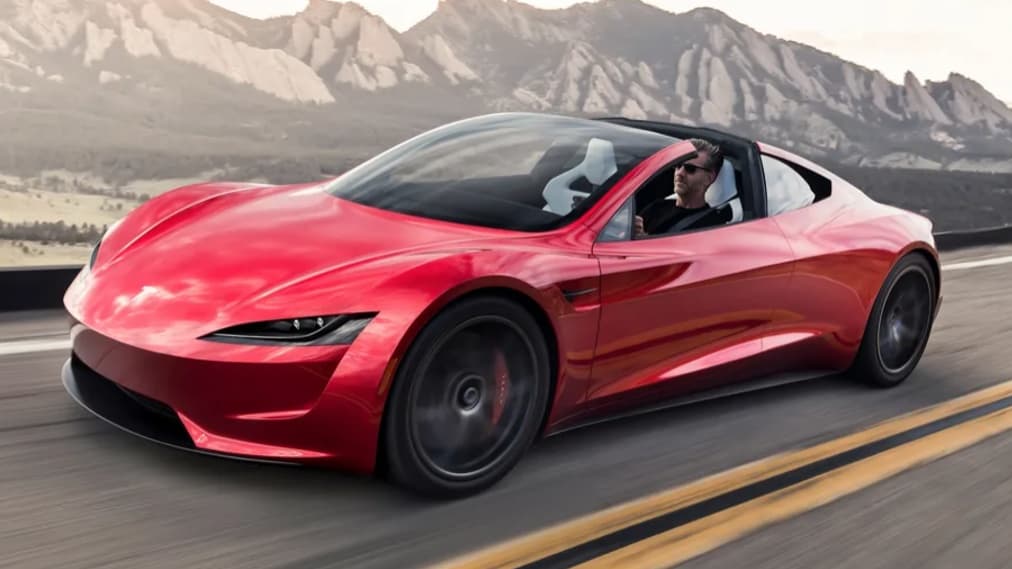
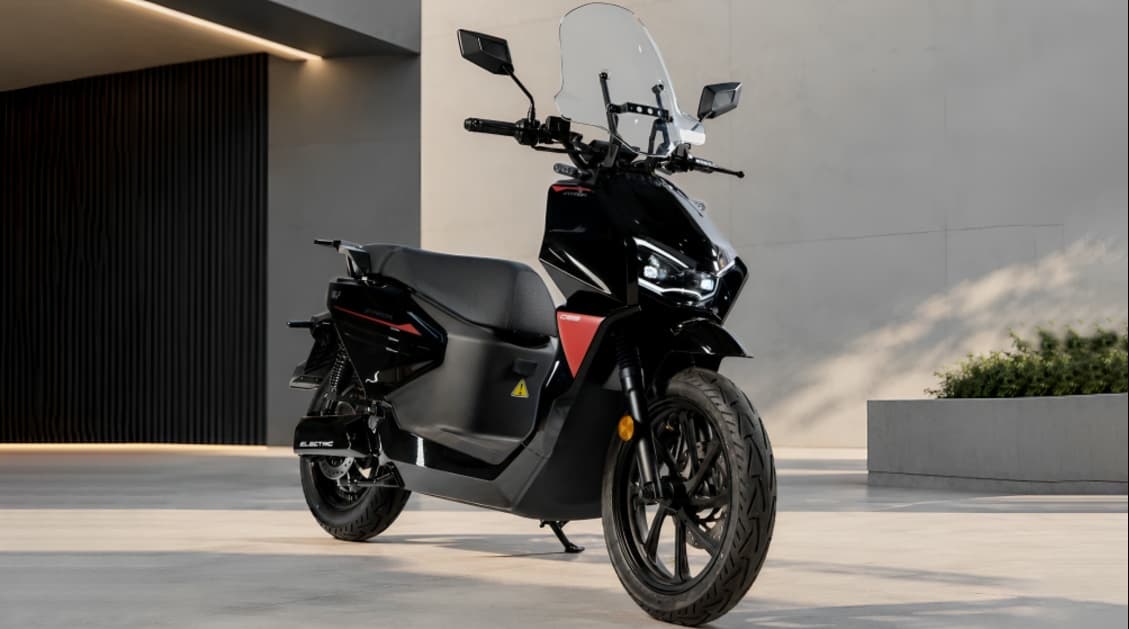
In a significant push towards sustainable mobility, the Maharashtra government has announced a reduction in taxes on electric vehicles (EVs) to enhance affordability and drive sales. The move is part of the state’s broader strategy to promote green transportation and align with India’s vision for carbon neutrality and reduced dependence on fossil fuels.
Key Highlights of the Policy
Under this new initiative, Maharashtra has slashed taxes on EVs, including two-wheelers, three-wheelers, and four-wheelers. This reduction is expected to lower the overall cost of electric vehicles, making them a more attractive option for buyers. The decision comes as part of the government’s effort to accelerate EV adoption and support India’s commitment to reducing greenhouse gas emissions.
Expected Impact on EV Sales
Industry experts believe that the tax cut will significantly boost EV sales in Maharashtra. The state has already witnessed a rise in EV registrations, and this move is likely to further incentivize buyers to switch from conventional petrol and diesel vehicles to electric alternatives. With lower ownership costs and increasing charging infrastructure, Maharashtra is positioning itself as a leader in India’s EV revolution.
Government’s Commitment to Green Mobility
The Maharashtra government has been actively promoting electric vehicles through various incentives, subsidies, and infrastructural support. Alongside tax reductions, the state is investing in the expansion of EV charging stations, making it more convenient for users to own and operate electric vehicles.
Challenges and Future Prospects
While this tax reduction is a welcome step, challenges such as high initial costs, limited charging stations, and battery efficiency still remain. However, with continued policy support and advancements in technology, EV adoption in Maharashtra is expected to gain momentum in the coming years.
This initiative marks a crucial step toward cleaner transportation, benefiting both the environment and consumers. As Maharashtra sets an example, other states may follow suit, further accelerating India’s transition to sustainable mobility.