The teased features, potential specifications, and the broader implications of Ola's foray into the electric bike segment.
Innovative Design and Features
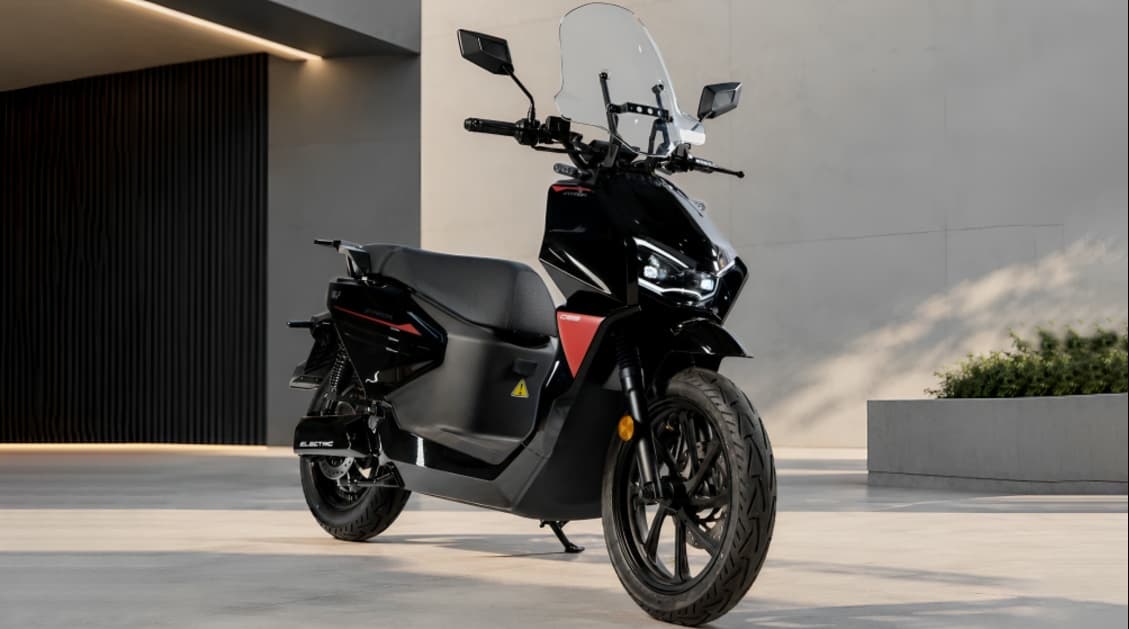
The teasers of the Ola Electric Bike hint at a sleek and modern design, embodying both functionality and aesthetic appeal. The bike's streamlined silhouette suggests an emphasis on aerodynamics, which could enhance both performance and energy efficiency. Early glimpses indicate that the bike will feature a robust build, capable of withstanding diverse riding conditions.
Advanced features are expected to be a highlight of the Ola Electric Bike. The teasers suggest the inclusion of a digital instrument cluster, providing riders with essential information such as speed, battery status, and navigation. Additionally, the bike is likely to come equipped with smart connectivity options, allowing riders to sync their smartphones for an enhanced riding experience. Features such as these position the Ola Electric Bike as a technologically advanced option in the electric vehicle market.
Performance and Efficiency
Performance is a critical factor for any electric bike, and Ola is expected to deliver in this regard. While specific details are yet to be confirmed, the bike is anticipated to boast a powerful electric motor, ensuring swift acceleration and a respectable top speed. The battery range is also a key area of interest; given Ola's reputation in the electric scooter market, it is likely that the bike will offer a competitive range suitable for both urban commuting and longer rides.
The efficiency of the Ola Electric Bike will be another significant selling point. Electric vehicles are known for their lower running costs compared to traditional internal combustion engine vehicles. With advancements in battery technology, the Ola Electric Bike is expected to provide an economical and environmentally friendly alternative to petrol-powered bikes.
Market Impact and Competitiveness
The potential launch of the Ola Electric Bike on August 15 could mark a pivotal moment in the electric vehicle market. Ola Electric has already made waves with its electric scooters, and the entry into the electric bike segment is likely to further solidify its position as a leader in sustainable transportation. The competitive pricing strategy that Ola is known for could make the bike an attractive option for a wide range of consumers, from daily commuters to eco-conscious riders.
By entering the electric bike market, Ola Electric is also set to challenge established players and stimulate competition. This competition is beneficial for consumers, as it typically leads to innovation, better features, and more competitive pricing across the industry.
Broader Implications for Sustainable Mobility
The introduction of the Ola Electric Bike has broader implications for the push towards sustainable mobility. As more consumers adopt electric vehicles, the demand for petrol and diesel is expected to decrease, contributing to a reduction in greenhouse gas emissions. Additionally, the success of electric bikes can encourage further investment in charging infrastructure, making it easier for riders to transition to electric mobility.
Moreover, the launch of the Ola Electric Bike can inspire other manufacturers to expedite their electric vehicle projects, accelerating the overall shift towards greener transportation options. This shift is crucial for addressing climate change and reducing urban pollution levels, leading to healthier living environments.
Conclusion
The teased details of the Ola Electric Bike suggest that it will be a significant addition to the electric vehicle market, with its potential launch on August 15 eagerly anticipated by many. Its innovative design, advanced features, and promise of strong performance make it a compelling option for consumers. As Ola Electric continues to expand its product lineup, the broader implications for sustainable mobility are profound, potentially driving the industry towards a more eco-friendly future. The Ola Electric Bike represents not just a new mode of transportation, but a step forward in the journey towards sustainable and efficient urban mobility.