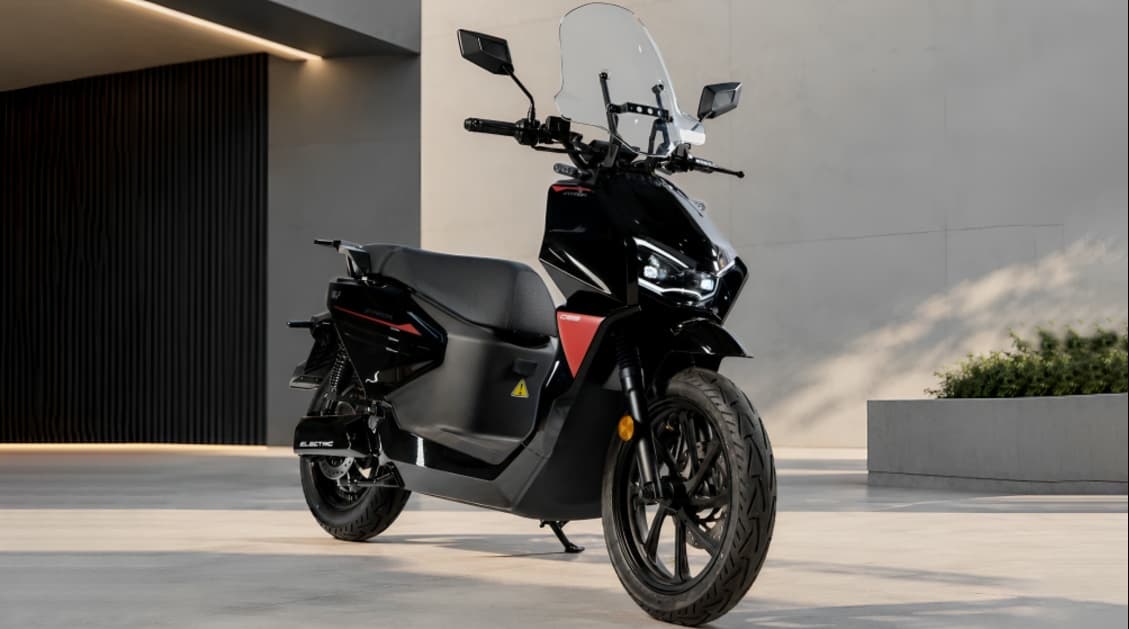
Bhavish Aggarwal, CEO of Ola Electric, has once again highlighted the advantages of electric two-wheelers over traditional petrol-powered scooters, addressing long-standing myths surrounding electric vehicles (EVs) in India. In a recent post shared with the public, Aggarwal emphasised the dramatic difference in operating costs between EVs and internal combustion engine (ICE) two-wheelers, encouraging more Indians to consider electric options for their daily commute.
According to Aggarwal, running an electric scooter costs only ₹0.20 per kilometre. In comparison, a petrol scooter with a conventional ICE engine typically costs around ₹2 per kilometre, making EVs roughly 90% cheaper to operate. The CEO pointed out that these savings go beyond fuel costs, as EVs also have fewer moving parts and require minimal maintenance, translating into additional long-term savings for owners.
“Many people assume electric scooters are expensive to run or maintain, but the reality is very different,” Aggarwal wrote. He argued that electric scooters not only offer financial benefits but also contribute to reducing air pollution, noise, and India’s dependence on imported fuel.
Ola Electric has been pushing for increased adoption of EVs in India, especially in urban areas where traffic congestion and pollution levels are major concerns. By demonstrating clear economic benefits, the company hopes to encourage consumers to switch from petrol-powered vehicles to electric alternatives. The affordability of running an electric scooter, according to Aggarwal, makes it a viable option even for daily commuters covering significant distances.
The post also addressed misconceptions regarding charging infrastructure. Aggarwal highlighted that Ola Electric is expanding its network of charging points and home charging solutions, making it easier than ever for customers to keep their scooters powered without significant inconvenience. “With advancements in battery technology and infrastructure, the convenience barrier is shrinking rapidly,” he added.
Experts in the EV industry agree that lower operating costs are a key factor driving the adoption of electric scooters in India. As battery prices decrease and government incentives continue to support EV purchases, the total cost of ownership for electric two-wheelers is expected to fall even further, making them increasingly competitive with ICE vehicles.
Aggarwal’s post serves both as a myth-busting exercise and a strategic communication to reinforce Ola Electric’s commitment to a sustainable and cost-efficient mobility ecosystem in India. By highlighting the 90% cost advantage, the CEO provides a compelling case for consumers to reconsider their choice of personal mobility.
With urban pollution concerns, rising fuel prices, and growing awareness of climate change, electric scooters are positioned as a practical, economical, and environmentally friendly alternative. Ola Electric’s efforts to educate consumers on the real-world benefits of EVs may accelerate India’s transition toward cleaner, greener mobility.