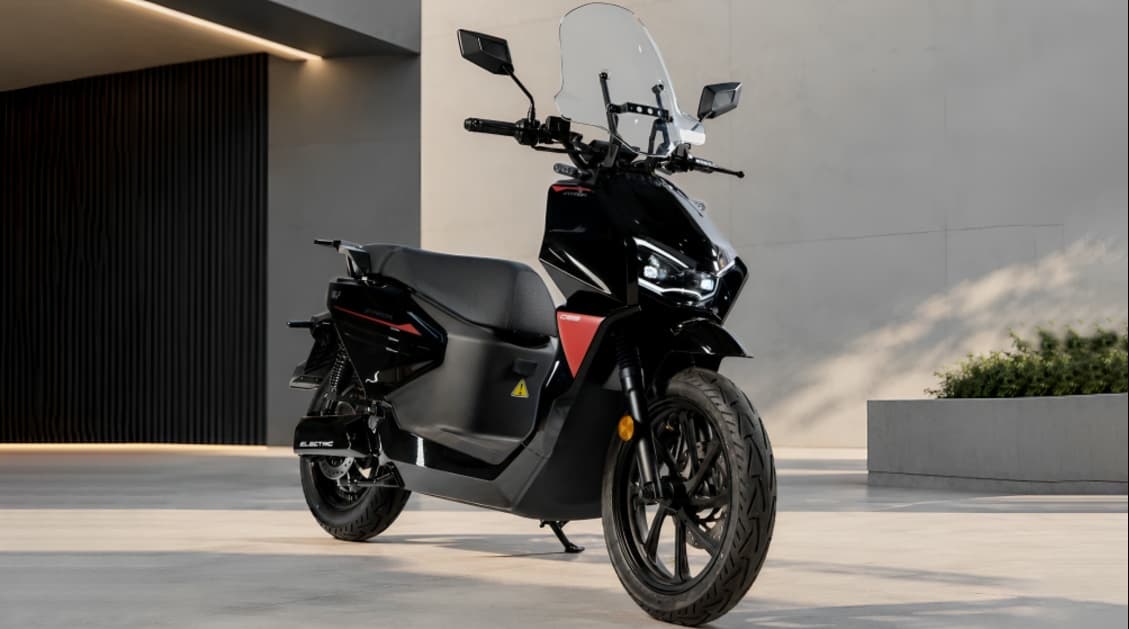
OSM has officially launched the Swayamgati, the world’s first autonomous electric three-wheeler, with a starting price of Rs 4 lakh. The vehicle represents a major milestone in the development of sustainable and automated urban mobility solutions in India, aiming to combine electric efficiency with autonomous driving technology.
Vehicle Features and Specifications
The Swayamgati comes equipped with advanced autonomous driving systems, including sensors, cameras, and AI-based navigation software that allows the vehicle to operate safely in urban environments. The three-wheeler is designed to navigate city streets, avoid obstacles, and manage traffic conditions with minimal human intervention.
Powered entirely by electricity, the Swayamgati supports eco-friendly transportation with zero emissions, making it ideal for congested cities and environmentally conscious consumers. The vehicle offers a compact design, making it suitable for narrow streets and reducing parking challenges. OSM has emphasized that the vehicle’s battery is designed for long-range city driving, with quick charging capabilities to ensure convenience for daily use.
Target Audience and Usage
The autonomous three-wheeler targets both commercial and personal transportation sectors. For commercial use, businesses such as last-mile delivery services, ride-sharing companies, and logistics providers can benefit from the cost savings, efficiency, and reduced manpower requirements. For individual users, the Swayamgati offers a convenient, eco-friendly, and futuristic option for commuting in crowded urban areas.
Safety and Technology
OSM has highlighted safety as a core focus of the Swayamgati. The autonomous system is equipped with collision detection, lane-keeping assistance, and emergency braking features. Additionally, the vehicle can integrate with mobile applications to provide real-time tracking, route optimization, and system diagnostics. The combination of autonomous technology and electric mobility sets a new benchmark in urban transportation.
Market Potential
Experts suggest that the launch of the Swayamgati could transform urban mobility in India, particularly in cities with heavy traffic congestion. By introducing autonomous electric vehicles, OSM is expected to encourage innovation, attract investment in EV infrastructure, and promote sustainable transportation. The three-wheeler segment, traditionally used for short-distance commuting and cargo delivery, may see increased efficiency and reduced operational costs due to automation.
Conclusion
The OSM Swayamgati marks a significant leap forward in the fields of autonomous and electric mobility. With its Rs 4 lakh price point, advanced technology, and eco-friendly design, it is poised to redefine urban transportation in India. Catering to both commercial and personal users, the vehicle promises improved safety, reduced emissions, and greater efficiency. The launch of Swayamgati demonstrates India’s growing focus on innovation, sustainable transport solutions, and the adoption of autonomous driving technology.